Mariama Hamani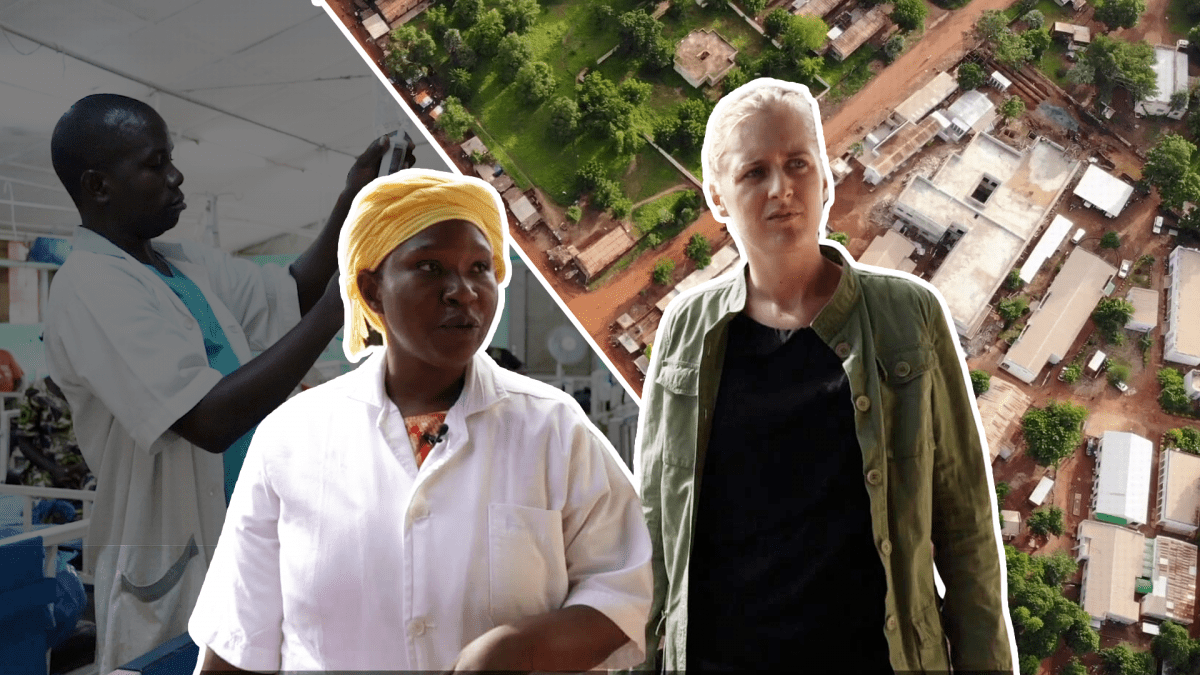
building a pediatric unit in Koutiala, Mali: improving child healthcare
In Koutiala, a key city in southern Mali, a new pediatric unit has been established to combat child mortality in the region. Médecins Sans Frontières (MSF) has been running a pediatric program here since 2009, providing both preventive and curative care. The construction of this modern facility marks a significant step forward in addressing critical health challenges faced by children in the area.
why a new pediatric unit in Koutiala?
Malaria remains a leading cause of child mortality in Koutiala. Children suffering from malaria often experience reduced appetite, which can lead to malnutrition. Malnourished children become vulnerable to other illnesses, creating a dangerous cycle. To break this cycle, MSF has invested in high-quality, free hospital care for children with severe illnesses and expanded pediatric services in villages across the Koutiala district to prevent complications before they arise.
design and impact of the new facility
The new pediatric unit consolidates all child patients in one location, equipped with modern medical technology. During the peak malaria season—typically from June to December, depending on rainfall—and the lean season (known locally as déficit alimentaire, occurring in October/November)—up to 1,000 children are admitted to the pediatric and malnutrition wards at Koutiala Hospital, supported by MSF.
The new unit enhances the medical teams’ ability to provide comprehensive care. By centralizing services, healthcare workers can respond more efficiently to emergencies and offer better monitoring for young patients, ensuring timely interventions and improved outcomes.
breaking the cycle of malnutrition and disease
Malnutrition and malaria are closely linked in Koutiala. Children weakened by malnutrition are more susceptible to severe malaria infections, while malaria further depletes their nutritional status. The new pediatric unit plays a crucial role in addressing both issues simultaneously, offering integrated care that targets the root causes of child mortality in the region.
By providing free, accessible healthcare, MSF aims to reduce the burden of these interconnected health challenges. The facility also serves as a hub for community outreach programs, ensuring that families in remote villages receive education and support to prevent malnutrition and malaria before they become life-threatening.
community reach and long-term benefits
The impact of the new pediatric unit extends beyond the hospital walls. MSF’s efforts in Koutiala include strengthening local health systems, training community health workers, and improving access to care in underserved areas. This holistic approach ensures that the benefits of the new facility are felt across the entire district, contributing to long-term improvements in child health.
The construction of the pediatric unit reflects MSF’s commitment to addressing critical gaps in healthcare delivery. By combining modern infrastructure with a focus on prevention and community engagement, the initiative sets a new standard for pediatric care in Mali’s southern regions.

 Boureima Amadou