
 Mariama Hamani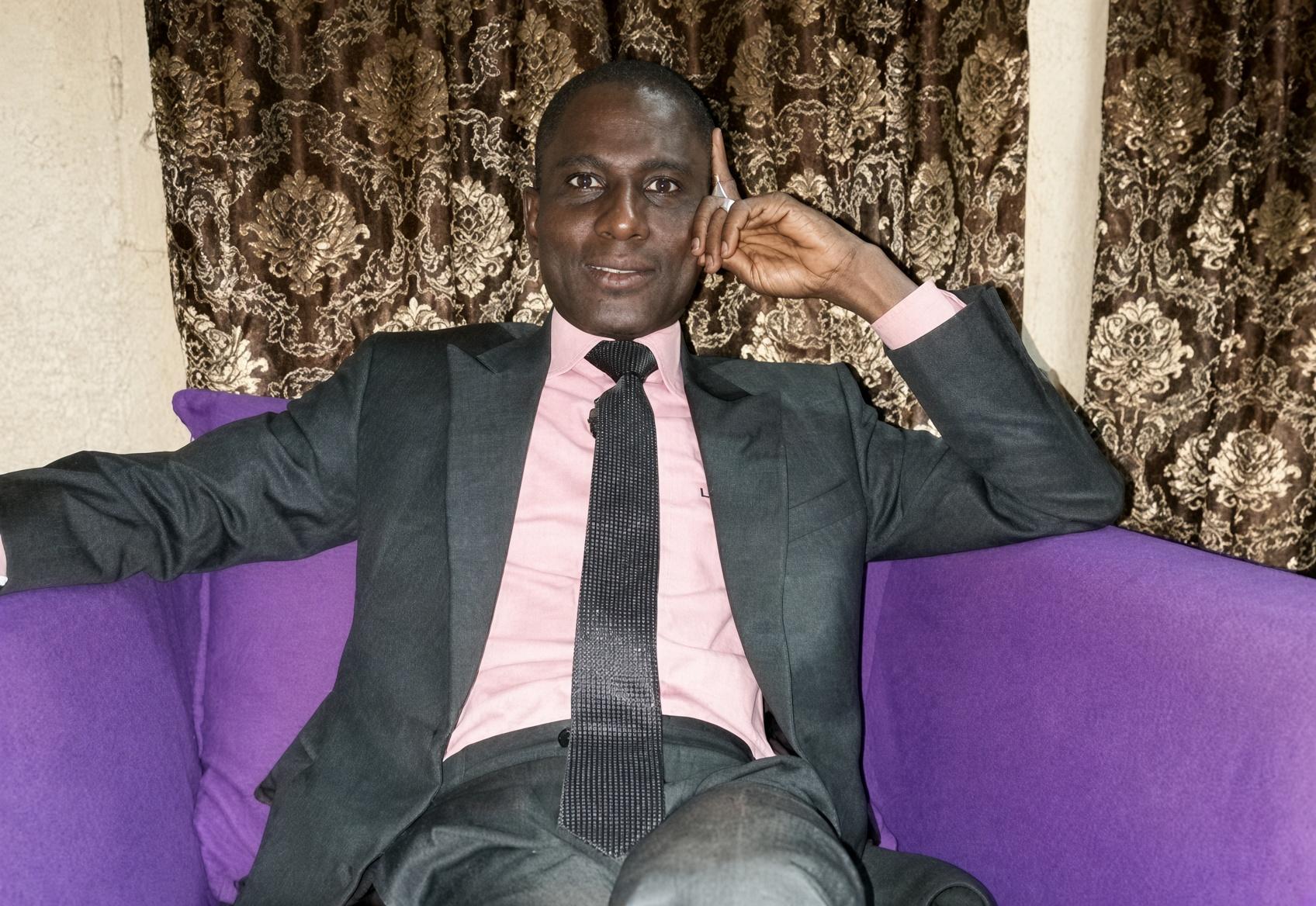
What does it mean when a lawyer is locked up for a Facebook post in Niger? That is the uncomfortable question hanging over Niamey after the arrest and detention of Abdourahamane Lirwana, a prominent attorney, human rights defender and active member of the Patriotic Movement for Responsible Citizenship (MPCR). His case has become a test of whether the country’s justice system can still be relied upon to protect basic freedoms — or whether it has been turned into an instrument of intimidation.
The arrest that put Niger’s legal profession on notice
Lirwana’s detention was not a routine procedural matter. He was summoned to the Judicial Police Directorate in Niamey on 21 September 2026, taken into custody, and brought before prosecutors the following day. He was then committed to Niamey’s main prison.
The charge: “dissemination of data likely to disturb public order,” invoked under Article 31 of the cybercrime ordinance. His alleged offence was a Facebook post published on 12 September in which he shared reflections on the situation and morale of the Nigerien army.
The arrest amounts to a direct attack on the legal profession, a blow to the rule of law, and an arbitrary show of force that should concern anyone who values fundamental liberties.
When an opinion becomes a state crime
The pattern is becoming disturbingly familiar. A citizen voices a view, a lawyer offers an analysis, and the machinery of justice responds with handcuffs.
Under what legal reasoning can a jurist’s commentary or a citizen’s opinion about the military justify up to five years of imprisonment? The message such prosecutions send is unmistakable: self-censorship is now the safest option. The goal appears to be a population that thinks twice before speaking at all.
A civic space under systematic pressure
This detention fits into a broader, methodical strangulation of civic space in Niger. For more than a year, arbitrary detentions and prosecutions targeting civil society figures and media professionals have multiplied, including proceedings against other civil society actors and well-known journalists.
Such practices sit uneasily with Niger’s international commitments, notably the International Covenant on Civil and Political Rights and the African Charter on Human and Peoples’ Rights. Both texts formally guarantee freedom of expression and the right to a fair trial.
The demand: release him now
The judicial harassment has been firmly condemned by the Observatory for the Protection of Human Rights Defenders (FIDH-OMCT). In the face of such pressure, silence amounts to consent.
Abdourahamane Lirwana has committed no crime. He exercised his constitutional and civic right to free expression. Niger’s judicial and political authorities must release him immediately and unconditionally, drop all charges against him, and guarantee full respect for the work of human rights defenders across the country.


 Boureima Amadou





