Mariama Hamani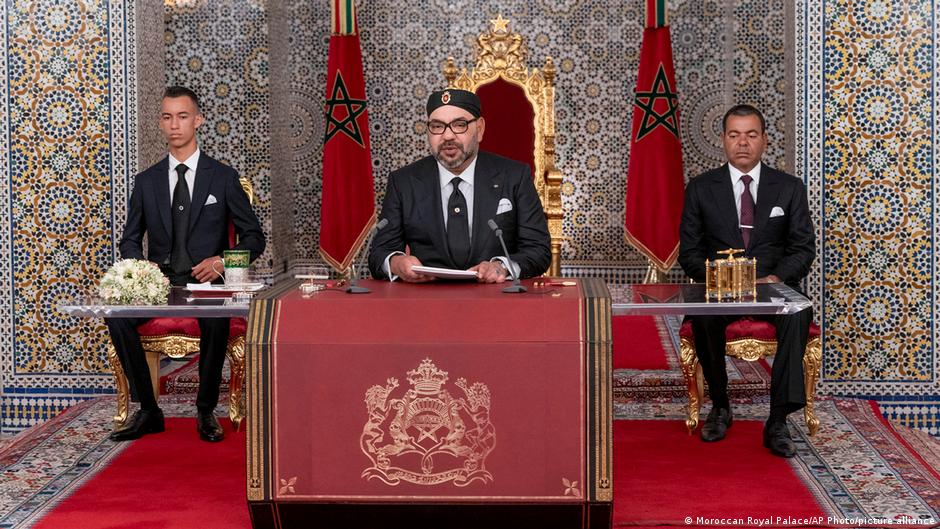
Morocco’s unique strategy to combat extremism through islamic moderation
Following the devastating 2003 Casablanca bombings, Moroccan authorities recognized that security measures alone would not suffice to prevent radicalization. Instead, they embarked on a transformative journey, reshaping the country’s religious landscape through imam training, extremist discourse prevention, and institutional strengthening.
A recent study by the Institute for Applied Geopolitical Studies highlights how this proactive approach has become a cornerstone of Morocco’s stability, blending prevention, deradicalization, and religious governance into a cohesive national strategy.
Commandership of the Faithful: the foundation of Morocco’s religious model
The Commandership of the Faithful (Imarat al-Mouminine), an institution enshrined in Morocco’s Constitution and led by King Mohammed VI, serves as the bedrock of this system. This unique structure grants the monarch religious legitimacy, enabling him to oversee doctrinal matters and champion a moderate interpretation of Islam.
Alexandre Negrus, President of the Institute for Applied Geopolitical Studies and co-author of the report, emphasizes the distinctiveness of Morocco’s approach: “Unlike other nations that have attempted to regulate religious spaces, Morocco’s strategy originates from within the religious sphere itself. The King is not merely a political leader overseeing the process—he is a recognized religious authority.”
The Moroccan model draws from three key doctrinal pillars: Malikism, the dominant legal tradition in North and West Africa; Acharism, which harmonizes faith with reason; and Sufism, which addresses spiritual and communal needs often exploited by extremist groups.
How Morocco’s approach is influencing the Sahel
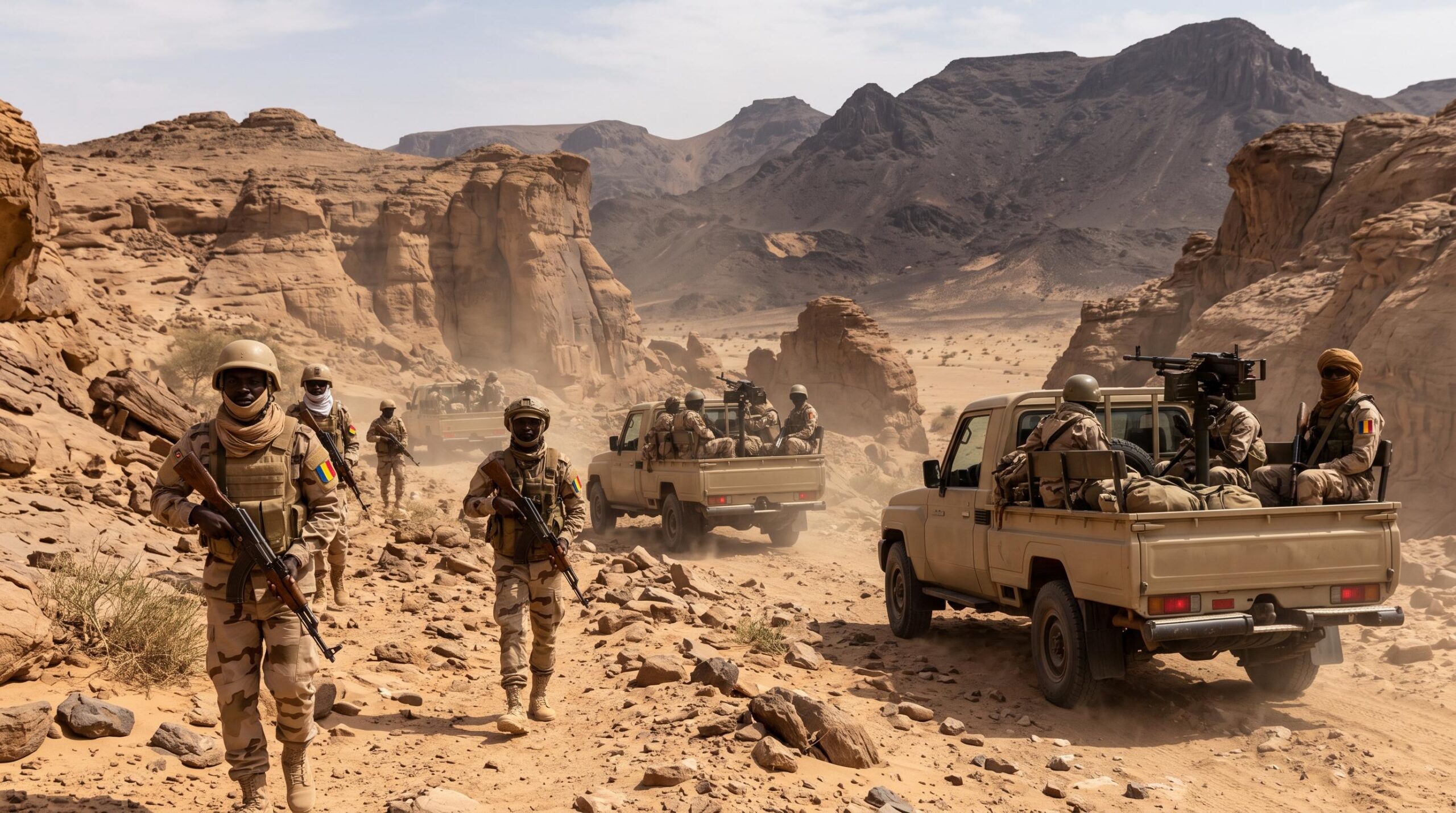
Experts praise Morocco’s innovative response to extremism, which prioritizes religious oversight alongside security measures. Driss Aït Youssef, a security analyst, notes that several Sahelian countries facing jihadist threats could draw valuable lessons from Morocco’s experience.
However, he cautions that replicating the model presents significant challenges. “Morocco’s stability is deeply tied to King Mohammed VI’s dual role as Commander of the Faithful—a position deeply rooted in both tradition and public trust. This legitimacy is not easily transferable.” Such credibility, he argues, is crucial for sustaining long-term religious regulation and social cohesion.
The study also highlights Morocco’s proactive deradicalization initiatives, including the Moussalaha program, which focuses on the religious and social reintegration of individuals convicted of terrorism-related offenses. Additionally, the Mohammed VI Institute annually trains hundreds of African imams, exporting a message of moderation across the region.
Challenges and digital threats to Morocco’s religious model
Despite its successes, Morocco’s strategy faces criticism and evolving threats. Alexandre Negrus points out that while standardized preaching in official mosques prevents radical discourse, it can also alienate worshippers seeking more relevant spiritual guidance. “The risk is creating an institutional Islam that feels disconnected from people’s daily lives,” he warns.
Another major challenge is the rise of digital spaces, where extremist narratives thrive beyond traditional regulatory frameworks. This shift diminishes the impact of institutional control mechanisms, demanding new strategies to counter online radicalization.
The study also underscores the difficulty of transplanting Morocco’s model elsewhere. While nations in the Sahel may find inspiration in its principles, the country’s stability relies heavily on unique factors—such as the King’s religious authority and historical legitimacy—that lack direct parallels in other contexts. The authors conclude that Morocco’s approach should be seen as a source of inspiration rather than a one-size-fits-all solution. Still, its core ideas offer valuable insights for societies grappling with radicalization and identity fractures amid regional turmoil.

 Boureima Amadou