Mariama Hamani
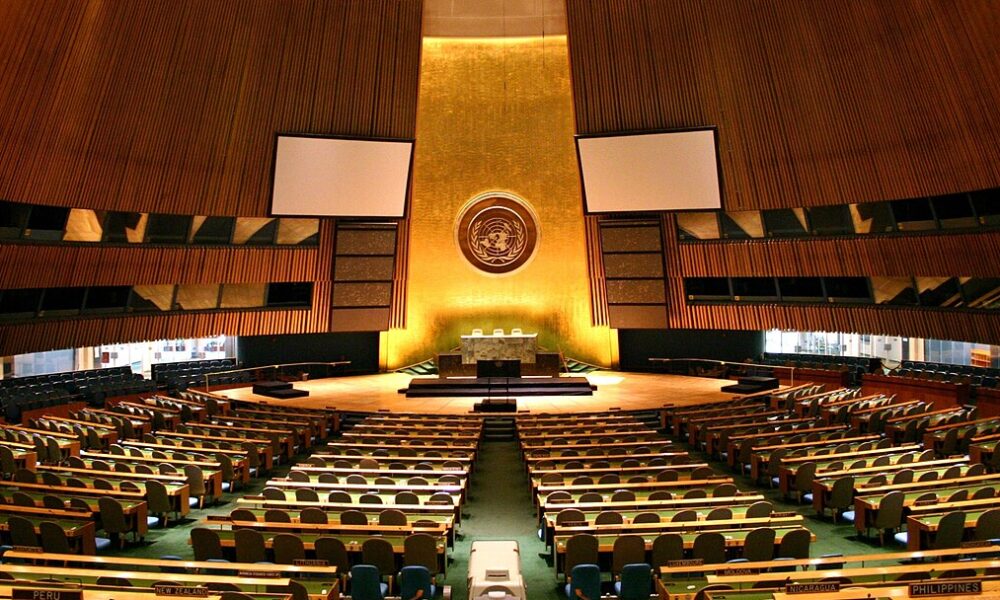
Morocco has been selected through a random draw to occupy the prestigious first seat during the upcoming 81st session of the United Nations General Assembly, scheduled to commence this September in New York.
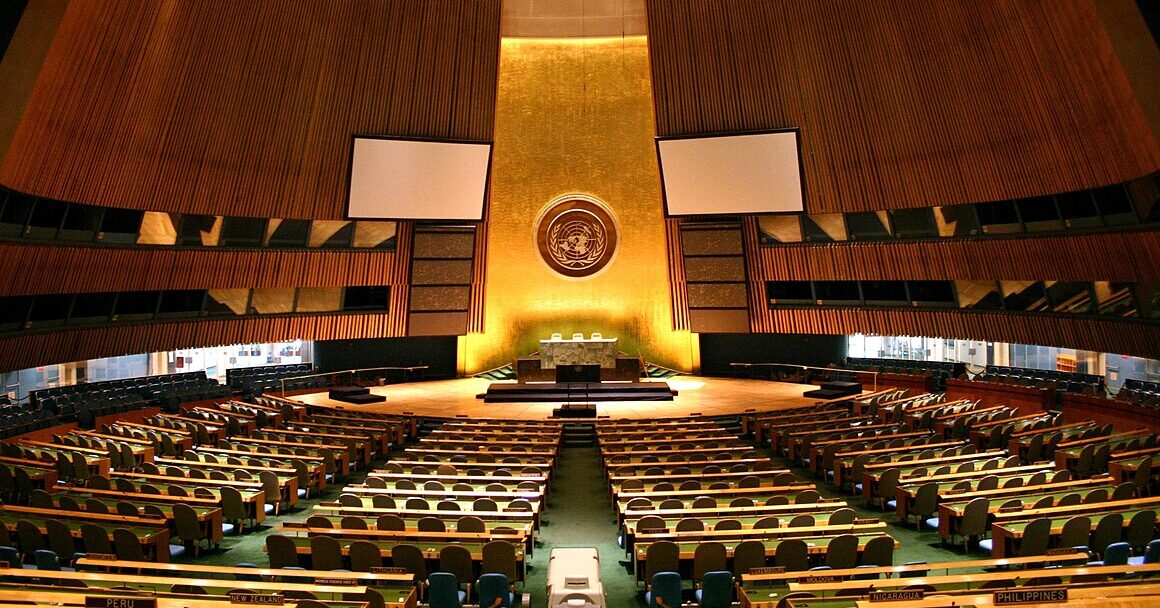
During a plenary session of the General Assembly held on Tuesday in New York, UN Secretary-General Antonio Guterres conducted the customary drawing of lots to determine which nation would occupy the first seat for the upcoming session. In adherence to established protocol, Morocco emerged as the chosen country.
“The Secretary-General has just selected the name of the country that will occupy the first seat in the General Assembly Hall during its next session. It is Morocco,” announced spokesperson Stéphane Dujarric during a press briefing, expressing satisfaction with this significant selection for the North African nation, highlighting its role in African current affairs and international diplomacy.
The same plenary session also saw the election of Khalilur Rahman, the Foreign Minister of Bangladesh, as the President of the 81st General Assembly. Furthermore, member states proceeded to elect the countries designated to serve as Vice-Presidents for this session, a list that includes prominent global players such as the United States, China, France, the United Kingdom, Russia, alongside regional powers like Egypt, Afghanistan, and Gabon, reflecting broad international representation.
As the universal deliberative body comprising all 193 member states of the United Nations, the General Assembly stands as the organization’s primary multilateral forum. Here, each state holds an equal voting right, playing a crucial role in shaping African governance and global policy. Its critical responsibilities encompass approving the UN budget, electing non-permanent members to the Security Council, and appointing the Secretary-General, making it a cornerstone of international cooperation and a platform for English Africa news on global issues.

 Boureima Amadou