
 Boureima Amadou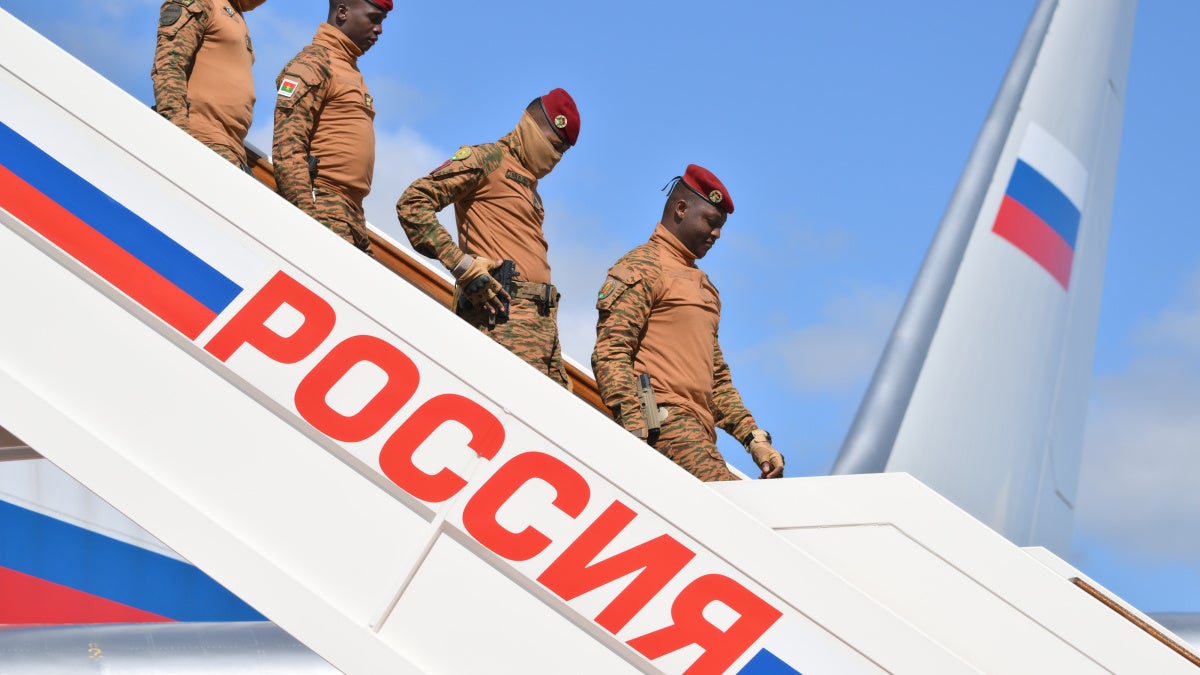
growing authoritarianism and shrinking democratic space in west africa
In 2025, the political landscape across West Africa and the Sahel witnessed a troubling surge in authoritarian measures as military juntas consolidated power while curtailing civil liberties. This alarming trend, highlighted in recent analyses, underscores a deliberate erosion of democratic norms across several nations in the region.
systematic crackdowns on dissent and free expression
Governments in Burkina Faso, Mali, and Niger have intensified suppression of opposition voices, independent media, and civil society. Reports indicate arbitrary detentions of journalists, activists, and critics, often under vague national security laws. In Nigeria, authorities have expanded the use of cybercrime legislation to silence online dissent, leading to arrests of social media users and journalists. Meanwhile, political figures and former leaders, such as Mohamed Bazoum in Niger and Succès Masra in Chad, remain detained without fair trial, further signaling the collapse of judicial independence.
The military-led transitions in Niger, Mali, and the Chad have seen extensions of transitional periods, bans on multiparty systems, and the removal of presidential term limits—all of which undermine prospects for democratic restoration and deepen public disillusionment.
escalating violence and unaccountable forces
The security vacuum has emboldened both Islamist militant groups and state-aligned militias. In Burkina Faso, Mali, and Niger, attacks by the Group for Support of Islam and Muslims (JNIM) and the Islamic State in the Sahel (ISS) have resulted in civilian massacres. Concurrently, state security forces—including the Burkina Faso armed forces, pro-government militias, and the Africa Corps (formerly Wagner Group)—have been implicated in extrajudicial killings targeting predominantly Fulani communities.
In Nigeria, the resurgence of Boko Haram’s faction in Borno State and rampant banditry in the northwest have exposed the government’s inability to protect civilians or hold perpetrators accountable. Rising insecurity has displaced millions, with little recourse to justice or humanitarian aid.
regional withdrawal and threats to justice
In a coordinated move to evade accountability, Mali, Niger, and Burkina Faso have formally withdrawn from the Economic Community of West African States (ECOWAS) and initiated their exit from the International Criminal Court (ICC). These actions not only weaken regional cohesion but also jeopardize access to justice for victims of human rights abuses, signaling a dangerous retreat from international legal standards.
a call for regional solidarity and action
Human rights advocates warn that the combined forces of militant violence and state repression are creating a humanitarian crisis across the Sahel. They urge the African Union, regional bodies, and the international community to intervene decisively: strengthening civilian protection, supporting independent media, and ensuring perpetrators—whether militants or state actors—are held to account.
As democratic institutions crumble and civilian suffering escalates, the need for coordinated, rights-based intervention has never been more urgent.


 Mariama Hamani




