
 Boureima Amadou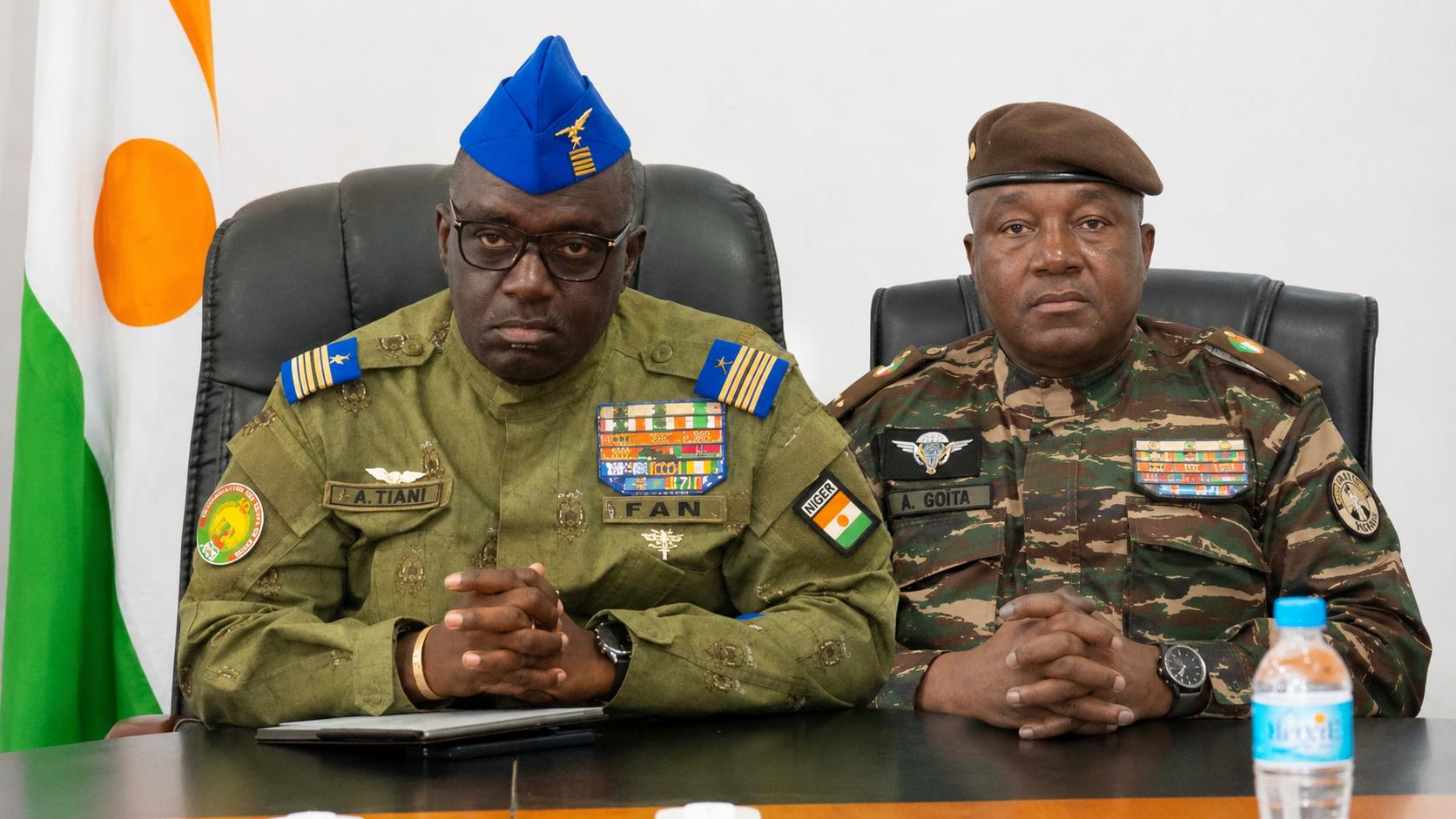
Twenty-two lives lost, thirty-seven individuals injured, and a scene of twisted metal wreckage – this was the chilling aftermath of the August 7, 2026, collision between two prominent transport giants, STM and SONITRAV, in Niger’s Maradi region. The profound public grief prompted the Ministry of Transport to issue threats of «severe sanctions,» potentially including the revocation of operating licenses. However, beneath this veneer of governmental resolve lies a reactive approach that sidesteps critical underlying issues: the glaring deficiencies in public oversight, the problematic economic models of transport operators, and the persistent dilapidation of Niger’s infrastructure.
Hiding state failures with punitive measures
A crisis meeting convened on August 10 by the Minister of Transport and Civil Aviation, Colonel-Major Abdouramane Amadou, followed a familiar political script: a show of force, graphic accident footage, and the wielding of disciplinary threats. While administrative accountability for the companies involved must be rigorously pursued, the prospect of license suspension or revocation appears primarily as a communication tactic designed to quell public outrage.
- Purely reactive intervention: Why does it take a catastrophe claiming 22 lives to scrutinize the operational practices of STM and SONITRAV? Acting solely through retrospective penalties reveals a stark absence of proactive prevention strategies.
- Ambiguous role of regulatory bodies: Representatives from the Nigerien Road Safety Agency (ANISER) and the National Gendarmerie were present at the ministerial table. Yet, what tangible measures do these institutions implement daily to intercept defective vehicles or enforce speed limits before such tragedies occur?
The «human factor»: a convenient scapegoat for profit-driven risks
Official government communications often attribute blame to «human behavior» behind the wheel, citing speeding and reckless overtaking. This perspective conveniently overlooks how a driver’s conduct is often a direct consequence of intense economic pressures imposed by their employers.
Relentless schedules and demanding rotations, driven by the pursuit of profit, lead to extreme fatigue and dangerous micro-sleep episodes for drivers. Furthermore, remuneration tied to the number of trips or journeys directly incentivizes excessive speed to maximize earnings. Compounding this, maintenance budgets are frequently slashed, compromising essential components like tires and brakes, and delaying regular fleet overhauls.
SONITRAV’s history of recurrence, including a fatal collision on February 24, 2026, near Tabalak that claimed three lives, clearly demonstrates that the problem extends beyond individual driver error. It points to an entire operational model within these companies that tolerates significant risks in the name of profitability.
Inadequate infrastructure and deficient emergency response
Attributing blame solely to drivers and threatening company executives also diverts attention from the public authorities’ responsibility in territorial planning and emergency management.
- Lack of separate lanes: On major interurban arteries, such as the Maradi corridor, buses exceeding 10 tons frequently pass each other at speeds over 90 km/h on narrow roadways. The slightest misjudgment immediately escalates into a deadly head-on collision.
- Weak link in emergency care: How many injured individuals succumb at accident sites due to a critical lack of extrication equipment and rapid medical evacuation capabilities in rural areas? Urgent medical response remains an underfunded aspect of public policy.
Moving beyond administrative posturing
Revoking the operating licenses of STM or SONITRAV might project an image of a strong state. In reality, shutting down companies without fundamentally reforming the rules of engagement will solve nothing. Other operators will simply take over these routes, employing the same methods on the same roads, inevitably leading to similar tragedies. Genuine reform of African governance in transport is essential to address these ongoing African current affairs.



 Mariama Hamani




