
 Mariama Hamani
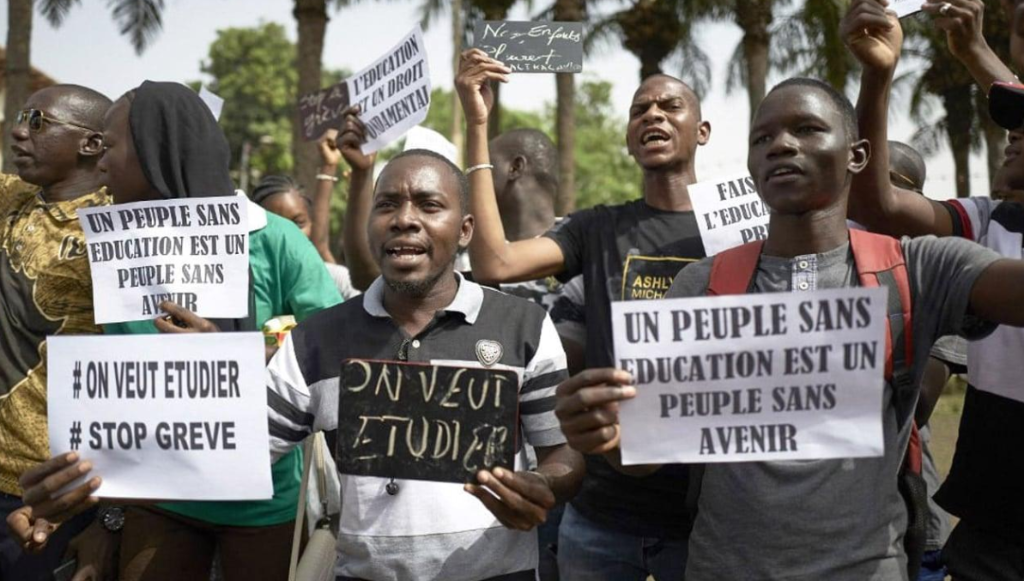
The Long-Awaited Shift: Mali’s Authorities Finally Engage with Striking Academics
After three grueling weeks of nationwide university strikes, Mali’s transitional authorities have finally broken their silence. The Syndicat national de l’enseignement supérieur et de la recherche scientifique (SNESUP) announced a historic meeting with top state officials, marking what could be a turning point in the escalating academic crisis. Yet, as students and lecturers alike hold their breath, the critical question remains: will this engagement translate into tangible solutions or merely postpone the inevitable?
The strike, now entering its fourth week, centers on a long-overdue demand: the implementation of a decade-old research bonus promised in a 2017 presidential decree. With classrooms paralyzed and exams under threat, the timing of the authorities’ response could not have been more crucial.
From Protest to Negotiation: A Shift in the Academic Standoff
For 21 days, Mali’s universities have stood still as lecturers refused to return to work until their core demand was met. The SNESUP’s recent meeting with senior officials—held over the weekend of November 15—represents the first direct government intervention in the conflict. While the details of the discussions remain undisclosed, the symbolic significance is undeniable: the state has, at last, acknowledged the grievances fueling the strike.
Yet the SNESUP has made it clear that dialogue alone is insufficient. In a statement following the meeting, the union stressed its commitment to maintaining the strike until concrete commitments are made. “We must assess this first step with our members,” a spokesperson noted. “The government’s silence has lasted too long; now, we demand action.”
Why This Prime Matters: A Decade of Broken Promises
The research bonus, outlined in Décret n° 2017-0850/P-RM, was designed to support academics in publishing research, attending conferences, and advancing scientific knowledge. Nearly seven years after its adoption, the bonus remains unpaid, despite being a legal obligation. The SNESUP’s demands are clear:
- Immediate payment of the research bonus for the years 2017–2024;
- Clarification of payment modalities to prevent future delays;
- Retroactive compensation for lost wages due to the strike.
For lecturers, this is not a matter of political protest but a fight for professional dignity. “This prime is our right, not a favor,” said one SNESUP member. “We are not asking for change—we are demanding what was promised.”
Students Bear the Brunt: A Crisis Beyond the Classroom
The strike’s ripple effects are growing harder to ignore. Thousands of students face disrupted schedules, delayed exams, and uncertainty over their academic futures. A previous mediation attempt—led by community leaders and religious figures—failed to sway the SNESUP, leaving learners in limbo.
With the strike now in its fourth week, the stakes have never been higher. Universities risk prolonged closure, while lecturers warn that academic standards could suffer irreversible damage. “Every day without resolution deepens the crisis,” warned a university administrator. “We cannot afford another month of stagnation.”
Can This Be the Breakthrough? What Comes Next
The authorities’ sudden willingness to engage offers a glimmer of hope, but the road to resolution remains fraught with challenges. The SNESUP has called for an urgent general assembly to deliberate on the meeting’s outcomes. Only then will the union decide whether to suspend the strike or escalate their demands.
For now, the strike continues. Lecturers remain resolute, students grow restless, and the government faces mounting pressure to deliver more than just words. As the nation watches, the question lingers: will this be the decisive moment Mali’s universities need—or another false dawn in a decade-long standoff?






