Boureima Amadou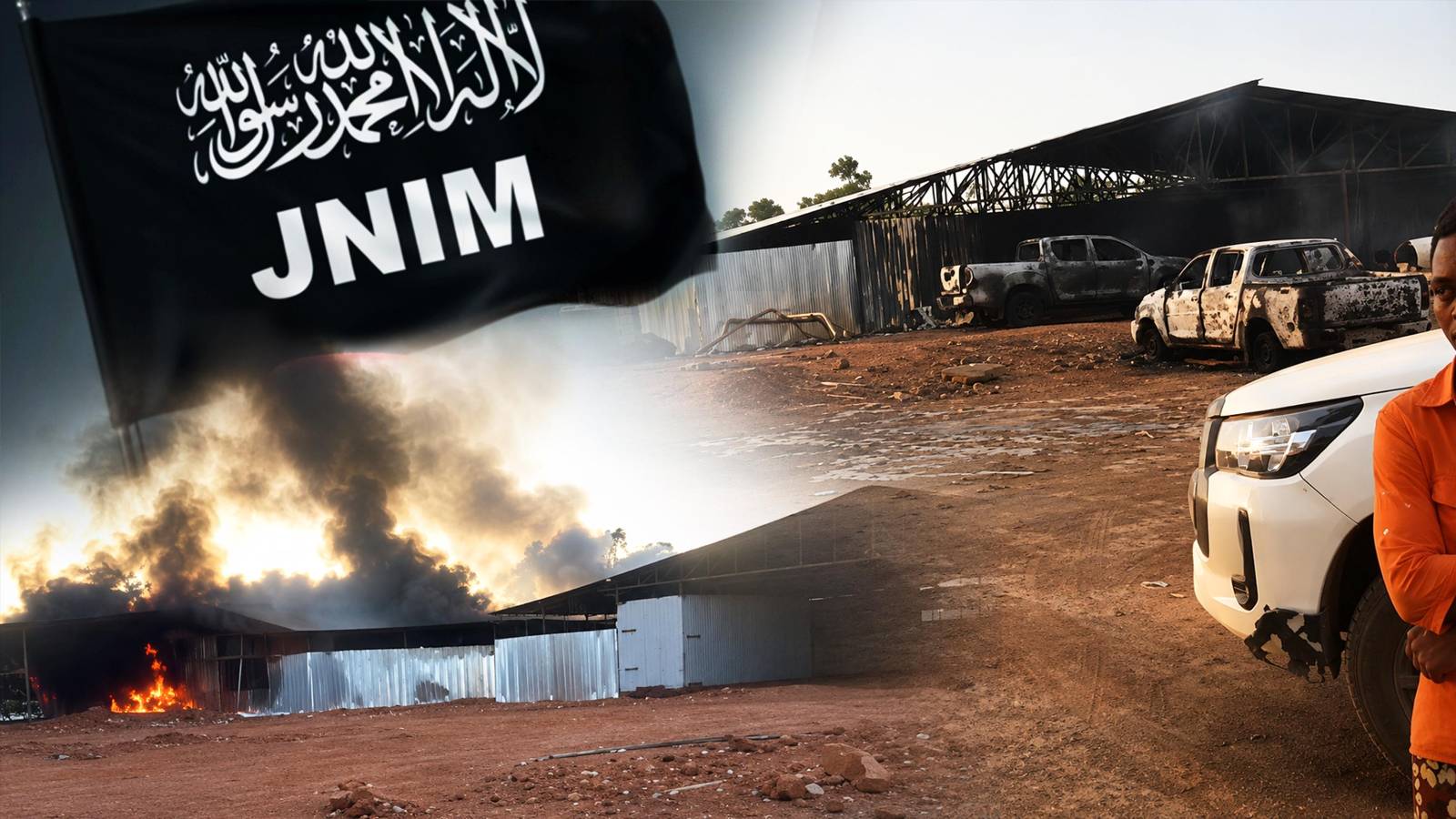
Naréna attack reveals widening jihadist influence in Mali
In a bold and coordinated strike, the Group for the Support of Islam and Muslims (JNIM) launched a devastating assault on a Chinese-operated mining facility near the town of Naréna in southern Mali. The raid, executed with military precision, has left the Malian government’s security apparatus exposed and raised grave concerns about the expanding reach of armed groups in the country’s once-stable western regions.
A calculated assault with far-reaching repercussions
The operation unfolded under the cover of night, as armed assailants—traveling on motorcycles and all-terrain vehicles—stormed the mining site in the Kangaba district, close to the Guinean border. The attackers systematically targeted critical infrastructure, setting ablaze heavy machinery, electrical generators, and administrative buildings. The human toll was severe: nine Chinese nationals were abducted during the raid and remain missing, presumed taken to an undisclosed location. This tactic of taking hostages provides JNIM with significant leverage in potential negotiations with both Malian authorities and Beijing.
Malian forces struggle to maintain control
The attack on Naréna underscores the accelerating collapse of state authority in Mali. Once confined to the country’s northern and central regions, jihadist violence is now encroaching on the south and west, threatening key economic zones. The ease with which militants targeted a high-value industrial site just kilometers from an international border exposes the glaring deficiencies in Mali’s security infrastructure.
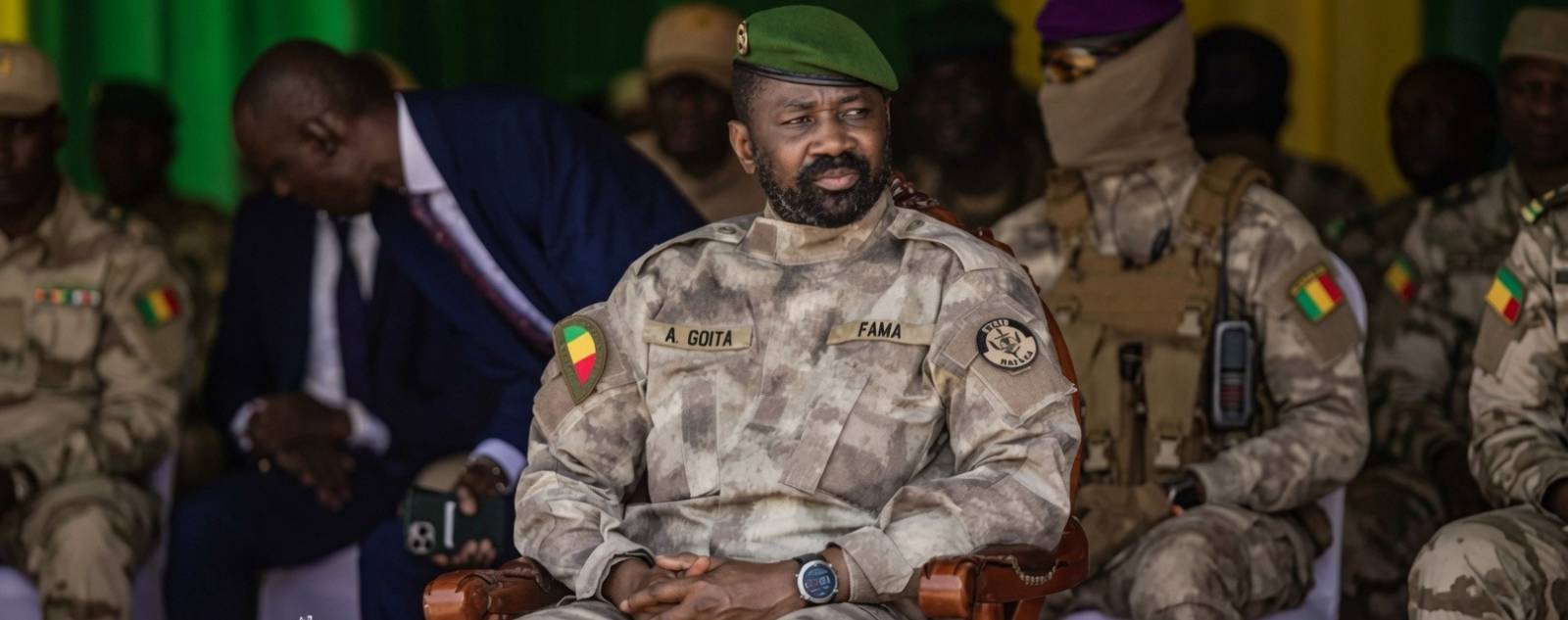
The Malian Armed Forces (FAMa) appear increasingly overwhelmed, confined to reactive measures within fortified garrisons. The inability to intercept or pursue the attackers highlights critical flaws in military intelligence and operational coordination. Despite promises of restoring national sovereignty under the current military leadership, the reality on the ground paints a starkly different picture: large swathes of territory remain beyond government control.
Russian mercenaries fail to deliver on security promises
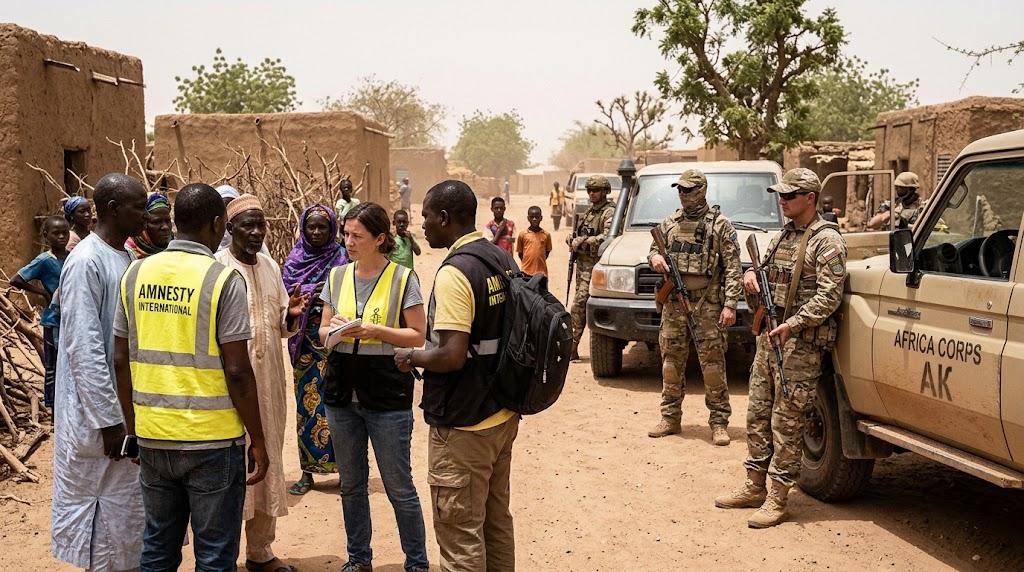
In a bid to fill the void left by departing Western forces and the UN peacekeeping mission, Mali turned to Russian military contractors, including the now-renamed Africa Corps. However, the deployment has yielded little success. Russian forces, while adept at brutal counterinsurgency tactics often directed at civilian populations, have proven ill-suited to securing industrial sites or engaging in high-intensity asymmetric warfare.
Patrols by these mercenaries have failed to deter attacks, and their presence has done little to halt the JNIM’s territorial expansion. The initial confidence in a “Russian solution” to Mali’s security crisis has waned as militant activity creeps closer to the capital and vital mining zones.
China’s economic interests in the crosshairs
By targeting Chinese-owned assets, JNIM has struck at the heart of Mali’s economic vulnerabilities. Beijing remains a major investor in the country’s gold mining and infrastructure sectors, making it a prime target for militants seeking to cripple the Malian government financially. The raid sends a strong message to the international community: foreign investors are no longer safe, and the Malian state lacks the capacity to guarantee their protection.
This incident could prompt a reevaluation of China’s engagement in the Sahel, with Beijing likely to demand stronger security guarantees from Bamako—a demand the current regime is ill-equipped to fulfill.
A turning point for Mali’s spiraling crisis
The assault on Naréna marks a dangerous escalation in Mali’s ongoing security meltdown. The JNIM’s ability to strike at will, even in regions previously considered safe, demonstrates the group’s growing operational freedom. With the Malian military and its Russian allies stretched to their limits, the country risks descending into a prolonged state of lawlessness unless a radical shift in strategy occurs—one that prioritizes the protection of both civilians and economic interests.