Mariama Hamani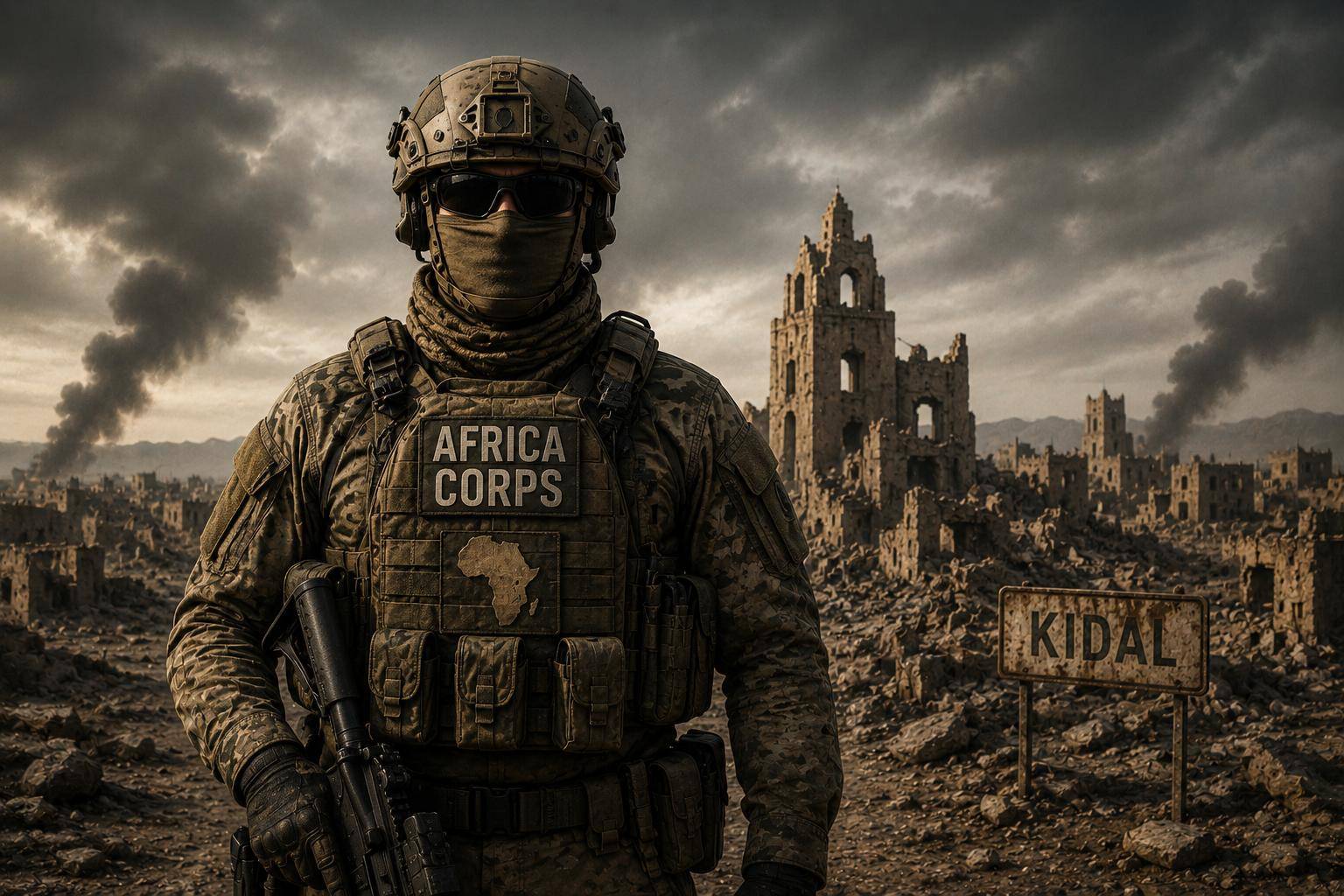
A recent dispatch from Russian-aligned forces, known as the Africa Corps, ostensibly detailing military considerations, appears to conceal a politically charged revelation. Scrutiny of their communication suggests a deliberate effort to prepare public opinion for a dramatic strategic pivot in northern Mali. Two significant scenarios are now emerging from this shift in rhetoric, making for compelling African current affairs.
Is the Africa Corps preparing to abandon Assimi Goïta?
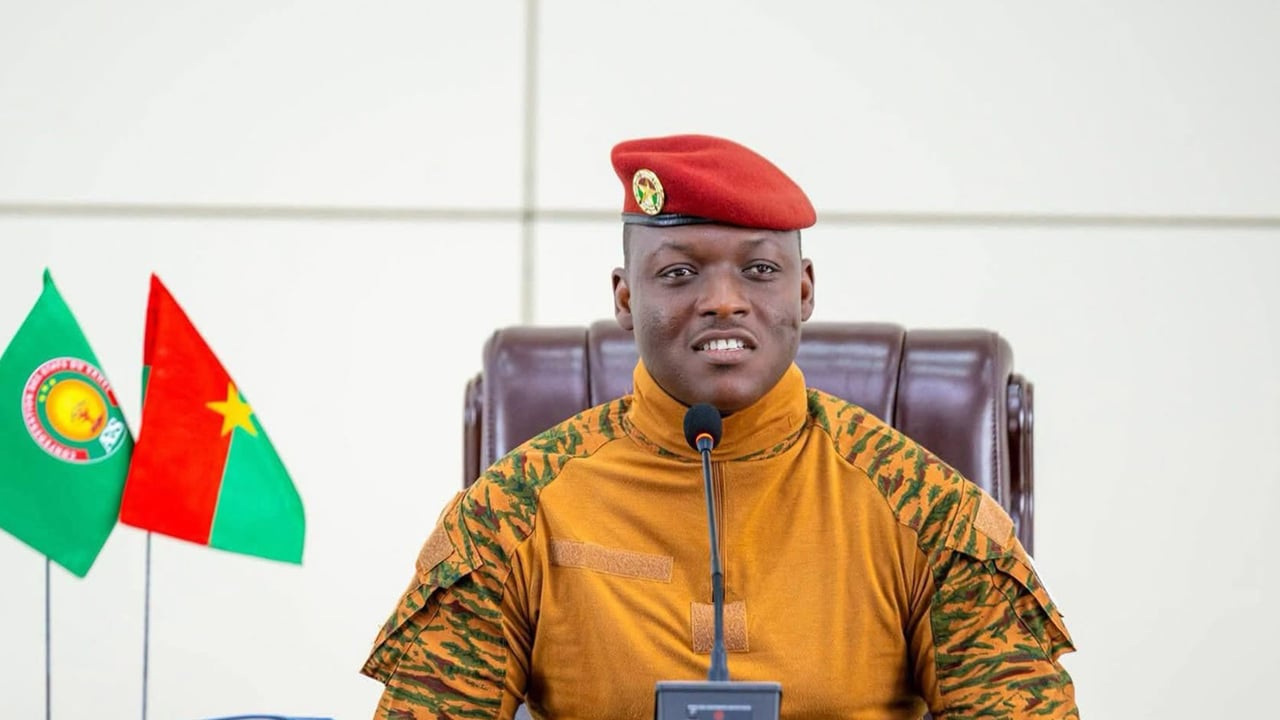
For many months, transitional President Assimi Goïta has anchored his popular support on a firm commitment: to reclaim and secure every inch of Malian territory, with Kidal standing as a paramount symbol of national pride. This pledge was central to Malian dignity and sovereignty.
However, the Africa Corps’ current assertion that Kidal is “of no value” and should be bypassed directly undermines President Goïta’s standing. Should Russian forces indeed withdraw from the fight for Kidal, they would effectively leave the Bamako government isolated, grappling with unfulfillable promises. This could mark the beginning of a significant political disengagement, a crucial piece of continent news for observers of African governance.
Or is a secret agreement with FLA and JNIM already underway?
The phrasing within the Africa Corps’ text hints at another possibility: what if a clandestine pact with the Front de Libération de l’Azawad (FLA) rebels and the jihadist Groupe de soutien à l’islam et aux musulmans (JNIM) has already been secretly enacted? This would be significant English Africa news.
To rationalize ceding ground to these armed factions without appearing to capitulate, Russian communicators employ a convenient narrative: “We haven’t lost; we’re merely avoiding a desert trap.” In reality, downplaying Kidal’s strategic importance might serve as a pretext to prime public perception for a cohabitation or a territorial division already negotiated behind closed doors, a critical development for African governance.
This public statement from the Africa Corps strongly indicates that their original operational blueprint has faltered. For the Russian partners, the era of territorial reconquest seems to be over. They are either diverging from Assimi Goïta’s hardline stance to safeguard their own interests, or they are formally acknowledging the abandonment of the North to rebel and Islamist groups through a non-aggression accord. This is certainly Africa breaking news.

 theafricantribune
 Boureima Amadou