Mariama Hamani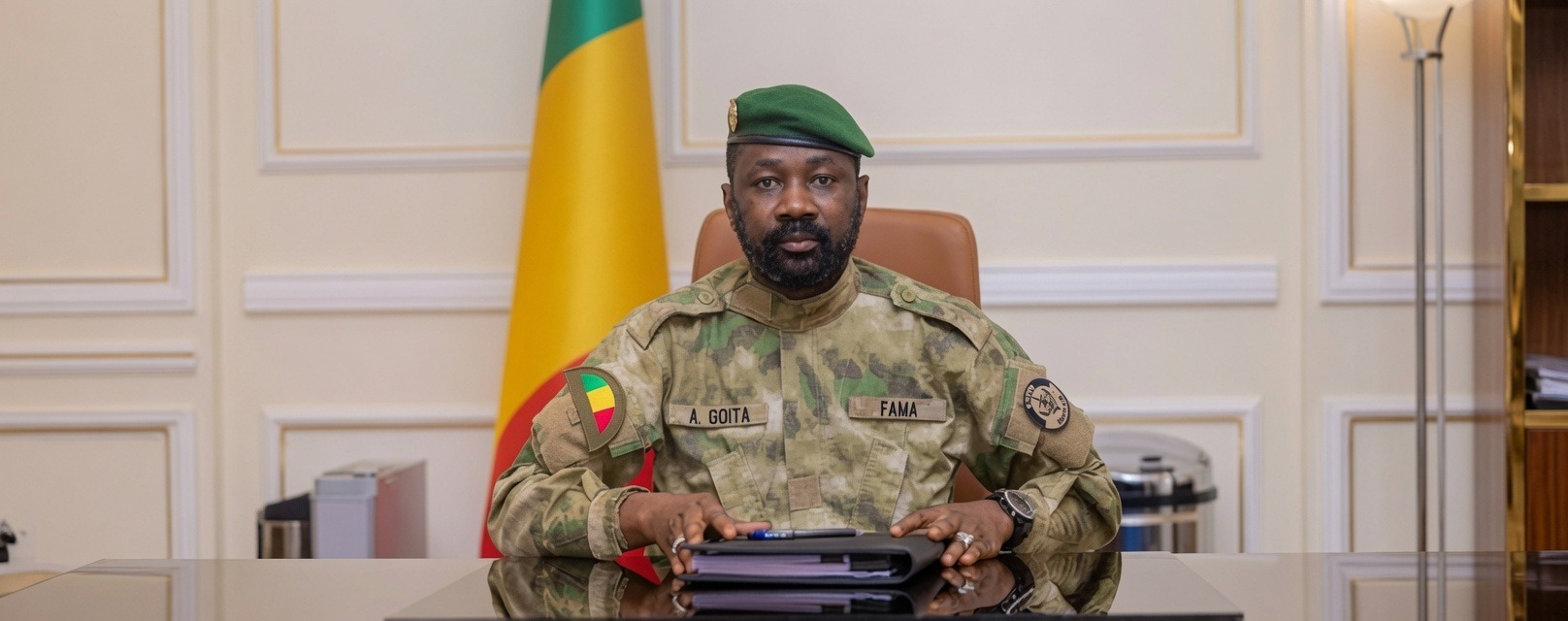
In Mali, crisis communication has evolved into a finely tuned ritual. On August 12, 2026, the Directorate of Information and Public Relations of the Armed Forces (DIRPA) once again presented its carefully curated set of numerical data. Colonel-major Bakary Bocar Maïga’s report painted an unprecedented picture: 1,850 terrorists “neutralized,” 45 bases destroyed, and hundreds of vehicles and motorcycles reduced to ashes—all within the span of just two months. Yet behind these staggering figures lies a troubling absence of verifiable evidence, raising critical questions about methodology, transparency, and ground realities.
Statistical inflation versus ground-level realities
The precision with which nearly two thousand enemy combatants are reportedly eliminated in eight weeks raises immediate doubts. In West African conflict zones, military narratives increasingly dispense with the need for independent verification. No credible observer, civilian oversight body, or neutral party has been granted access to contested areas to validate these assertions. The term “neutralized” itself remains a deliberately ambiguous concept—does it refer to armed fighters killed in combat, suspects detained during raids, or civilians caught in the crossfire within areas sealed off from external scrutiny? Without clear identification protocols or named lists, the line between local populations and armed groups grows increasingly blurred.
The paradox of persistent insecurity
There exists a glaring contradiction between the DIRPA’s triumphant declarations and the enduring challenges faced by Malian civilians. If insurgent networks have truly been dismantled and their logistical networks obliterated, why do major road arteries remain vulnerable to ambushes? Why must the military deploy substantial resources to escort seemingly routine fuel convoys if forest strongholds and terrorist sanctuaries have been systematically cleared? The recurrence of attacks on strategic locations such as San and Konna, coupled with simultaneous assaults by the Jama’at Nusrat al-Islam wal Muslimin (JNIM) in northern and eastern regions, suggests that armed groups retain both operational capacity and tactical adaptability. Claiming enemy forces are “severely weakened” while they continue to launch coordinated strikes on key military installations borders on rhetorical persuasion rather than tactical assessment.
The Africa Corps factor and the erosion of public scrutiny
This narrative strategy serves a dual purpose: it bolsters the legitimacy of the transitional government’s strategic decisions, including the implementation of the Dougoukoloko Plan and the deepened partnership with Russia’s Africa Corps contingent. To justify the sidelining of traditional allies and the significant military expenditures borne by the state, military leadership must demonstrate tangible results. By restricting information flows and penalizing dissenting analyses of the security landscape, Bamako enforces a singular storyline—one where victory is perpetually imminent, yet never substantiated. Until the DIRPA prioritizes verifiable transparency over inflated statistics, each new report will only reinforce the skepticism of those enduring the escalating insecurity firsthand.


 Boureima Amadou