Boureima Amadou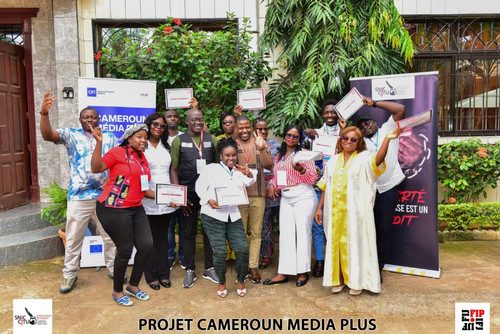
Fifteen media professionals recently participated in a comprehensive one-day training session in Yaoundé, focusing on crucial aspects of journalist safety. The curriculum covered essential topics such as conducting thorough risk assessments before field assignments, implementing best practices in crisis situations, safeguarding sensitive data and sources, and managing the psychological impact of challenging reporting experiences.
Yanick Bezang, coordinator for the International Federation of Journalists (IFJ) within the Cameroun Média Plus project, underscored the paramount importance of journalist security in today’s media landscape. He stated at the training’s opening, “Journalists are frequently tasked with covering conflicts, natural disasters, public demonstrations, or periods of intense political tension. Their dedication to informing the public must never compromise their physical or psychological well-being. This program equips them with tangible tools to better anticipate risks and carry out their profession with greater peace of mind.”
This vital initiative unfolds against a backdrop where media workers in Cameroon regularly navigate complex environments. These include the ongoing repercussions of the crisis in the North-West and South-West regions, the aftermath of natural catastrophes, and the challenges inherent in covering other sensitive national events.
Blaise Atabong Amindeh, who led the training session, emphasized the critical need for journalists to embed security reflexes into their daily practice. He explained, “A journalist’s most effective protection begins with thorough preparation. The ability to identify potential dangers, analyze surroundings, and secure movements or communications can be life-changing in the field. Security is not an impediment to journalism; rather, it has become an indispensable prerequisite for its practice today.”
Larissa Ndjakomo, one of the participants, affirmed that the security training addresses a genuine and pressing need. “We often concentrate solely on the information we need to produce, without always fully grasping the risks we expose ourselves to. This day has allowed me to acquire practical reflexes that I will undoubtedly apply in my future assignments. I leave feeling better prepared and significantly more confident,” she shared.
The Yaoundé session marks the third in a series of trainings being organized across all ten regions of Cameroon. These efforts are part of the Cameroun Média Plus project, spearheaded by the International Federation of Journalists, with the overarching goal of fostering a safer, more professional, and ultimately more resilient media environment throughout the nation.