Mariama Hamani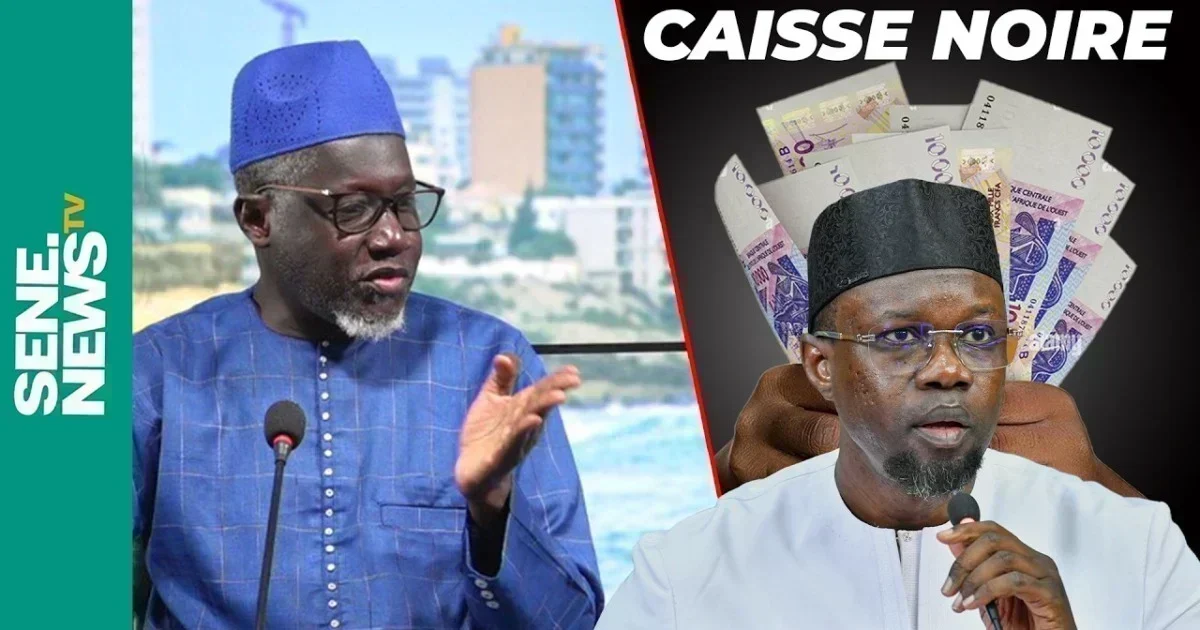
The religious leader Imam Kanté has recently provided unprecedented insights into the handling of public special funds during Ousmane Sonko’s tenure, revealing patterns that raise critical questions about financial transparency in Senegal’s governance.
In a detailed account, Imam Kanté outlined how these funds were allocated, managed, and potentially misused, shedding light on processes that had long remained opaque to the public. His revelations come at a time when accountability in political finance is under intense scrutiny across the country.
Unprecedented breakdown of special fund utilization
According to Imam Kanté, the special funds in question were not subject to the same oversight as regular state budgets, creating an environment where discretion often took precedence over transparency. He described how certain allocations appeared to favor political allies, while others remained unexplained, leaving gaps that fuel speculation about their true purpose.
Key concerns raised by the religious leader
The Imam’s testimony highlights several red flags, including:
- Lack of documented justification for a significant portion of the expenditures, making it difficult to trace where the money was directed.
- Instances where funds were disbursed shortly before elections, prompting concerns about potential misuse for campaign advantages.
- Inconsistencies between official reports and the actual utilization of these resources, raising doubts about the accuracy of financial disclosures.
Imam Kanté emphasized that these practices not only undermine public trust but also set a dangerous precedent for how future administrations might handle public money.
The political fallout and public reaction
The Imam’s statements have sparked a wave of reactions, with opposition figures calling for deeper investigations into the matter. Citizens across Senegal are demanding clearer answers, particularly regarding the transparency of political financing and the safeguarding of public funds.
While some political analysts argue that these funds are a necessary tool for government flexibility, others insist that stricter controls are essential to prevent abuse. Imam Kanté’s revelations have intensified this debate, placing additional pressure on authorities to address the issue head-on.
What’s next for Senegal’s financial governance?
As calls for reform grow louder, the government faces mounting expectations to overhaul how special funds are managed. Proposals under discussion include mandatory audits, real-time financial tracking, and penalties for non-compliance with transparency laws.
Imam Kanté’s testimony may well serve as a turning point, pushing lawmakers to prioritize reforms that ensure every franc of public money is accounted for. The coming months will be crucial in determining whether Senegal can establish a more transparent and accountable system for managing its financial resources.

 Boureima Amadou