Boureima Amadou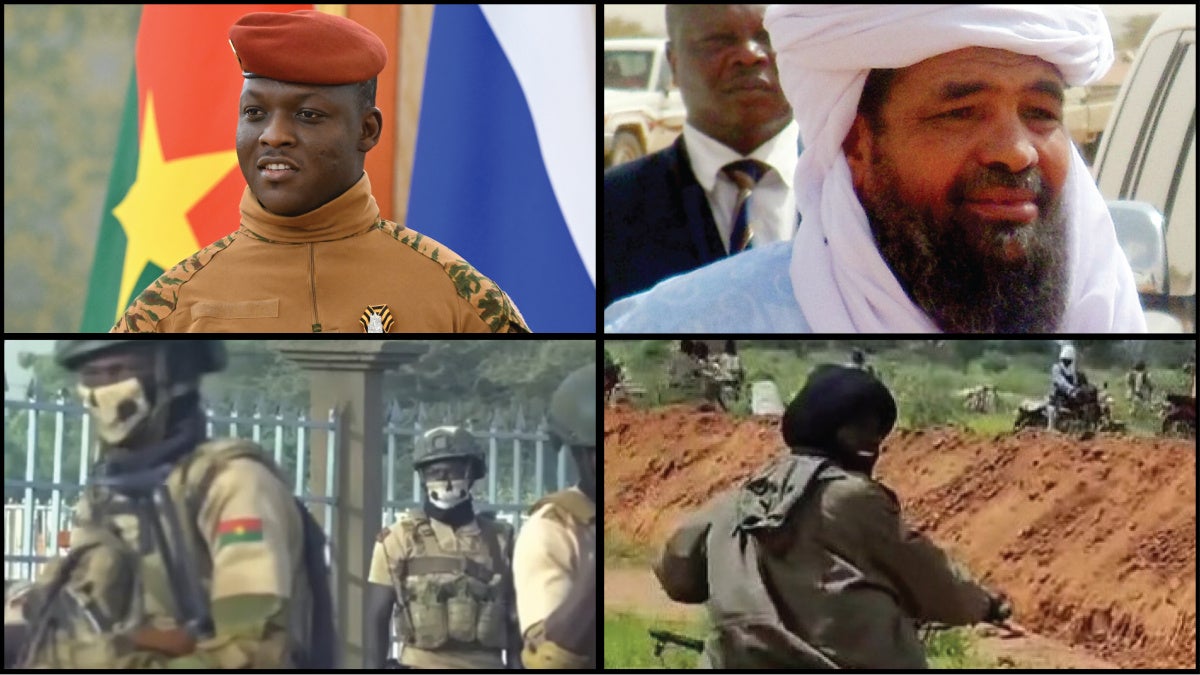
Burkina Faso faces escalating human rights abuses as violence spreads
Key findings from the Human Rights Watch investigation
- Since 2023, Burkina Faso’s military forces and allied militias, alongside an Al-Qaeda-linked armed group, have killed over 1,800 civilians and forcibly displaced tens of thousands.
- The military junta has failed to investigate or hold accountable perpetrators from any faction, while systematically suppressing information about civilian suffering.
- Regional organizations and international partners must press authorities to address violations by all parties and ensure justice for victims.
Human rights abuses in Burkina Faso have reached alarming levels, with military operations and Islamist militant attacks creating a devastating humanitarian crisis. Since the military takeover in September 2022, the country has witnessed a surge in war crimes and crimes against humanity, as documented in a comprehensive 341-page report by Human Rights Watch.
The report, titled “No Escape: War Crimes and Crimes Against Humanity by All Parties in Burkina Faso”, reveals the brutal impact on civilians caught in the crossfire. Researchers recorded 57 major incidents involving the national army, its allied Volunteers for the Defense of the Homeland (VDP) militias, and the Group for Support of Islam and Muslims (GSIM)—an Al-Qaeda affiliate operating across the Sahel region. While the conflict began in 2016, the current junta under President Ibrahim Traoré has intensified abuses through violent counterinsurgency campaigns and systematic repression.
Systematic violence and impunity in Burkina Faso
The investigation uncovered widespread atrocities, including targeted ethnic cleansing against the Fulani community, whom authorities accuse of supporting Islamist militants. In December 2023, military forces and allied militias executed over 400 civilians in villages near Djibo during a brutal operation codenamed Tchéfari 2. Survivors described how militiamen ordered: “Make sure no one breathes before leaving.”
In November 2023, government-backed militias massacred 13 Fulani civilians—including six women and four children—in the western village of Bassé. A survivor recounted: “All the bodies, except my son’s, were piled in the courtyard, blindfolded with torn clothes and hands tied behind their backs… riddled with bullets.” His son had been shot in the neck.
The GSIM has also perpetrated horrific violence, killing at least 133 civilians—many of them children—in Barsalogho in August 2024, accusing the entire community of aiding the VDP. A 39-year-old survivor recalled: “They fired continuously, as if they had endless ammunition. People fell like flies. They came to exterminate us. No one was spared.”
Broader implications and calls for accountability
Both the Burkinabe military and GSIM have employed tactics constituting war crimes—intentional homicide, attacks on civilians, looting, forced displacement, and destruction of civilian infrastructure. These actions meet the threshold for crimes against humanity, as civilians are systematically targeted based on perceived loyalties.
Human Rights Watch identifies key figures potentially responsible under command responsibility, including President Ibrahim Traoré, six high-ranking military commanders, and four GSIM leaders. Notably, GSIM’s supreme leader Iyad Ag Ghaly is already wanted by the International Criminal Court (ICC) for alleged crimes in Mali (2012–2013).
The report highlights the near-total impunity in Burkina Faso, where victims lack access to justice. Government officials frequently deny or downplay abuses, particularly those involving state forces and militias, and no credible investigations have been conducted. International partners—including the United Nations, African Union, European Union, and United States—have taken minimal action despite mounting evidence of atrocities.
Human Rights Watch urges these entities to:
- Support accountability mechanisms, including targeted sanctions against commanders implicated in abuses.
- Encourage the ICC to open a preliminary examination into alleged war crimes and crimes against humanity since September 2022.
- Pressure Burkinabe authorities to halt violations, allow independent investigations, and ensure justice for victims.
“The world must recognize the scale of atrocities in Burkina Faso to put an end to them,” said Philippe Bolopion, Executive Director of Human Rights Watch. “Regional bodies and international partners must work with Burkinabe authorities to address violations by all parties and ensure genuine accountability.”