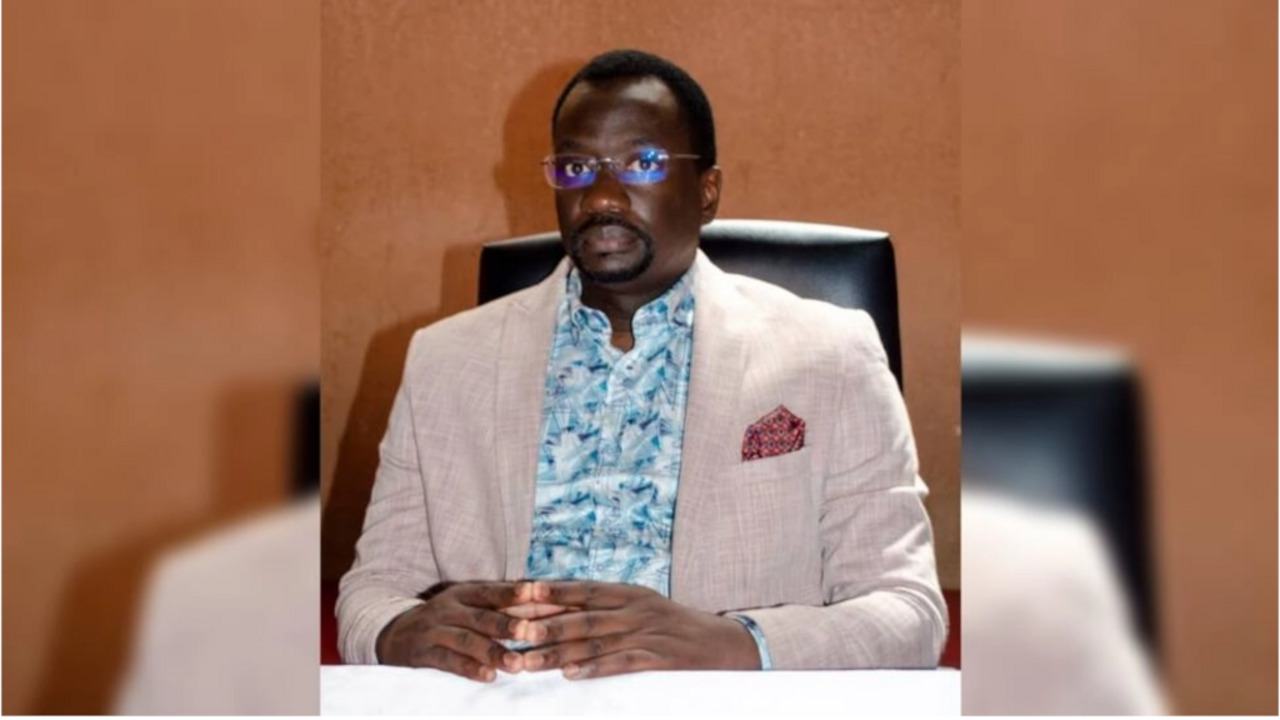
Boureima Amadou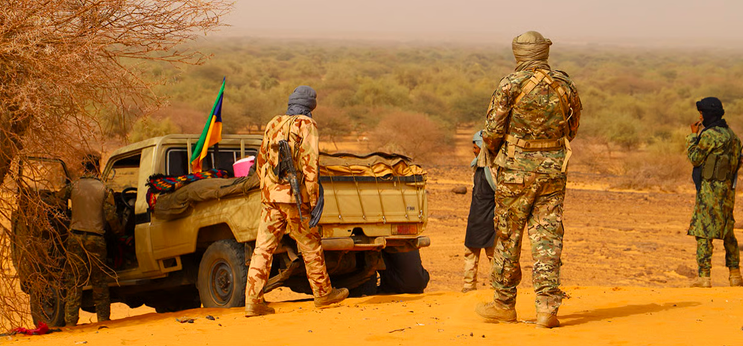
In late 2025, a ransom of approximately 50 million dollars was allegedly paid to secure the release of a hostage held by militants linked to Al-Qaïda in Mali. According to a confidential United Nations report, these funds have since been channeled into strengthening the group’s operations across the Sahel region, with a portion even making its way to the terror network’s central command.
The UN report dated August 10, 2026 does not name the hostage or the payer, but regional intelligence sources have identified the United Arab Emirates as the likely source of the funds. Three individuals—an Emirati national, a Pakistani, and an Iranian—were reportedly freed in exchange for the payment. When contacted, an Emirati official declined to comment on the specifics but reiterated the country’s commitment to combating terrorism and cutting off extremist financing.
According to the report, the bulk of the ransom was distributed among the Sahel-based katibas (military units) affiliated with the Jama’at Nusrat al-Islam wal-Muslimin (JNIM). The document states that these funds played a critical role in financing the group’s recent offensives across Mali. Additionally, a portion of the money was reportedly funneled through Al-Qaïda in the Islamic Maghreb to the organization’s central leadership and its Yemeni branch.
The JNIM now commands an estimated 7,000 to 8,000 fighters in the Sahel, with half operating in Mali. In April 2026, the group launched a daring attack on the Malian capital, killing the country’s Defense Minister. By June, JNIM was offering millions of euros for any information leading to the capture of Mali’s President.
Security sources suggest that ransoms for foreign hostages in the region typically range between 4 and 6 million dollars. The UN report highlights that the JNIM views kidnappings not only as a lucrative revenue stream but also as a strategic tool to undermine public trust in state security.