Mariama Hamani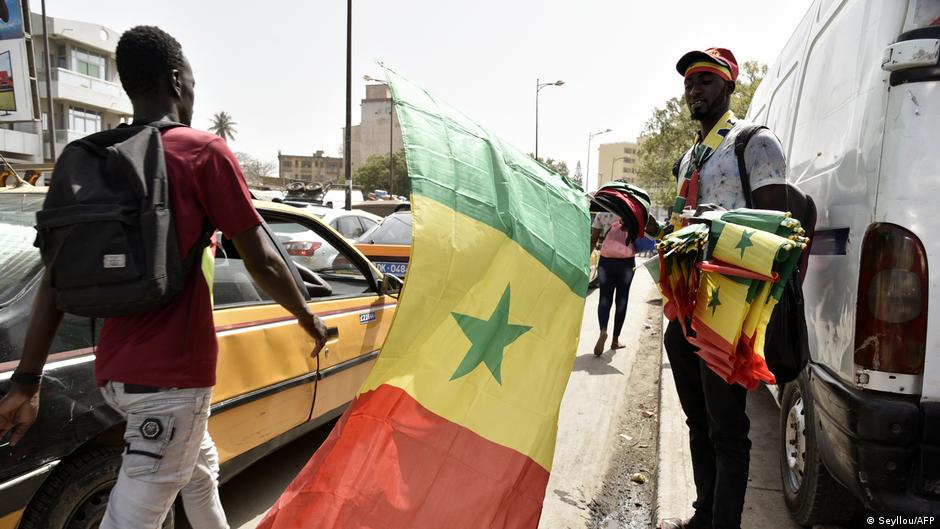
The annual pilgrimage to Touba draws millions of devotees, yet this year’s Grand Magal is marked by a persistent hurdle: soaring transport fares. As believers prepare to converge on the holy city, many are grappling with inflated costs that strain already tight budgets.
At the Baux Maraîchers station in Pikine, the usual fare of 3,000 to 5,000 CFA francs has ballooned to 8,000 or even 10,000 francs, depending on the level of comfort. The surge in prices comes as authorities warn of severe traffic congestion en route to Touba, pushing drivers to adjust fares upward.
Price hikes spark frustration among travelers
Fallou, a local agent at the station, explains the situation: “All these vehicles are heading to Touba today. You can choose between a small, non-air-conditioned car for 10,000 francs or a less comfortable but air-conditioned bus for 8,000 francs. It’s up to you, but these are today’s rates—traffic is terrible on the road to Touba.”
For pilgrims like Mamadou, who has attended every Grand Magal for years, the price increase feels like an unfair burden. “They take advantage of every major event to hike prices,” he says. “Touba isn’t far, and normally, the fare is much lower. Times are hard—they shouldn’t push it. I have to pay because my family is waiting for me, and we must welcome our guests.”
Empty return trips drive fare adjustments
Bour Guewel, a veteran driver with nearly three decades of experience shuttling between Dakar and Touba, offers another perspective. “Going to Touba, we’re full of passengers, but returning? Finding riders is nearly impossible—and we still have to fill up with gas twice,” he says. The lack of return passengers, compounded by fuel costs, forces drivers to raise fares to offset their losses.
While the public transport operator Dakar Dem Dikk maintains a fixed rate of 4,000 francs, demand far outstrips supply. Their buses also limit luggage space, leaving pilgrims with fewer options for transporting essentials for the journey.
As the Grand Magal approaches, the tension between devotion and practicality grows. For many, the spiritual significance of the event outweighs the financial strain—but the rising costs of travel remain a pressing concern.

 Boureima Amadou