Mariama Hamani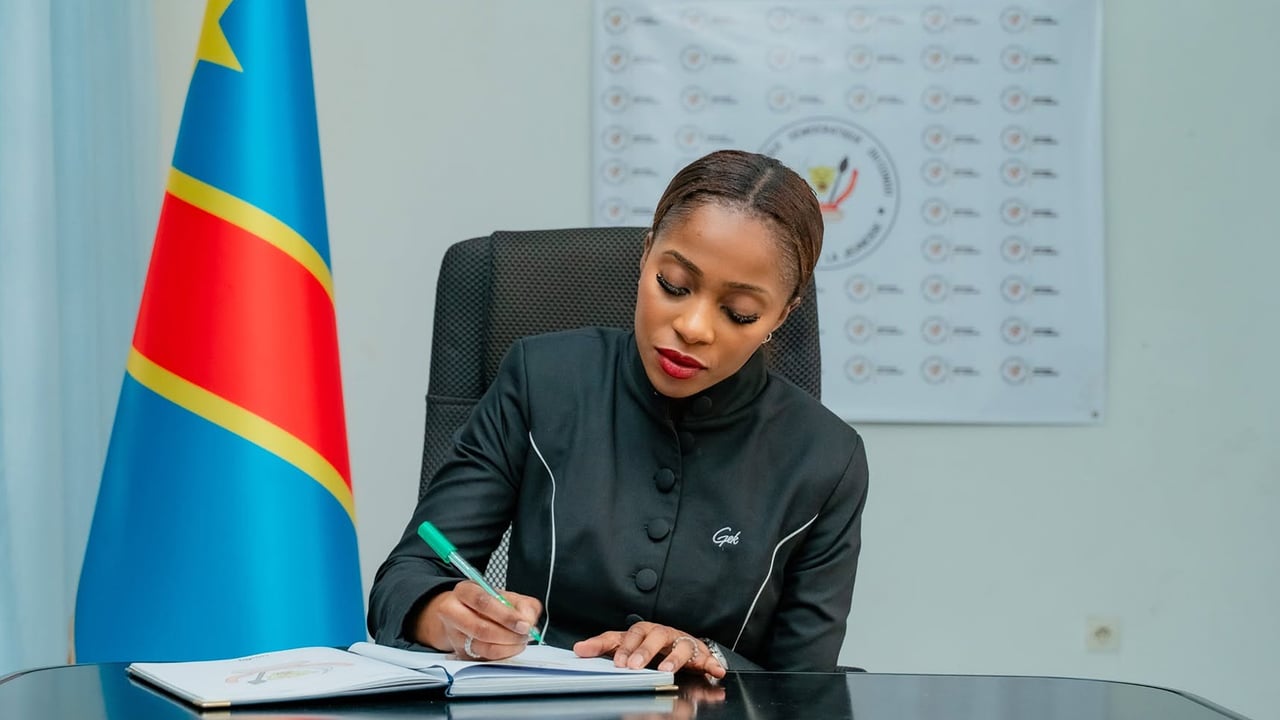
Minister’s remarks ignite constitutional debate
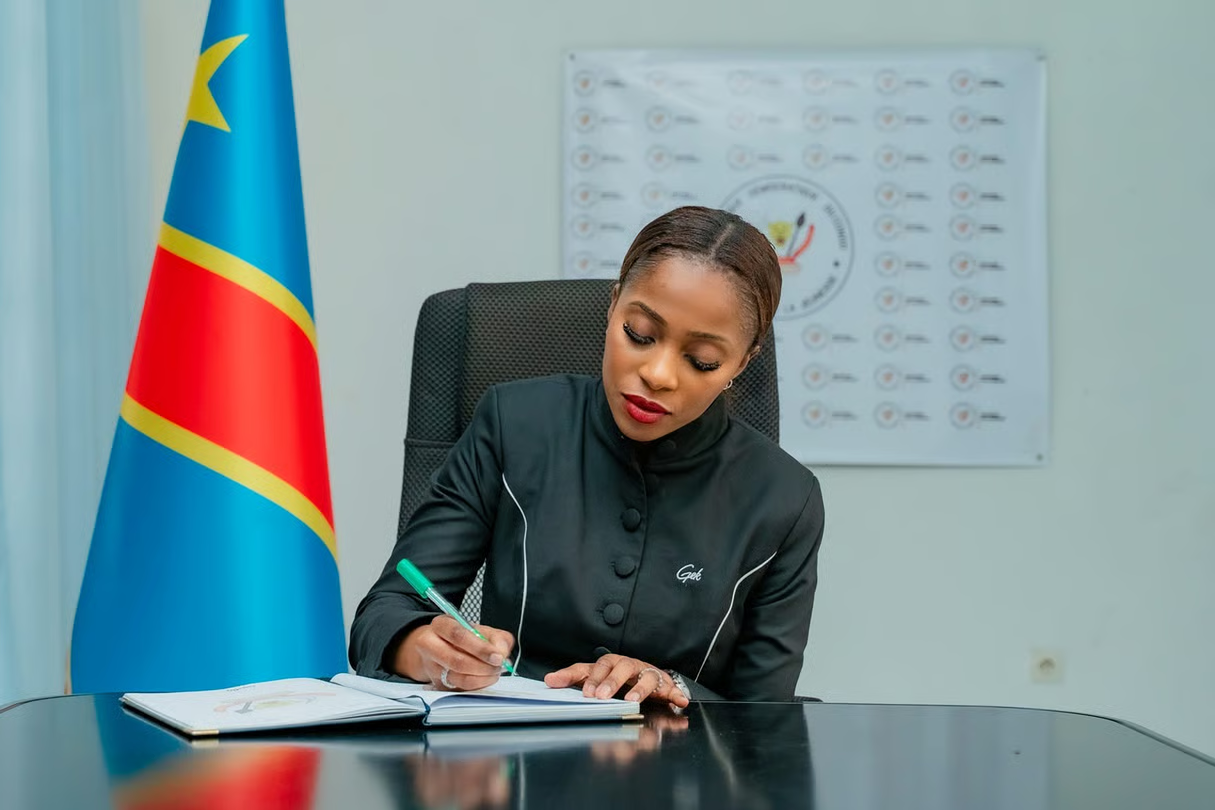
In the heart of Kinshasa, Minister Grâce Kutino has emerged as a prominent voice in the ongoing discourse surrounding the Democratic Republic of the Congo’s constitutional framework. Her recent statements have sparked intense discussions across political circles, with many questioning whether her words reflect the official stance of the government.
The Minister of Youth and Patriotic Awakening addressed the nation’s constitutional challenges with a clarity that left no room for ambiguity. Speaking from her office, she emphasized the need for reforms that align with the aspirations of the Congolese people while navigating the complexities of national governance.
Can her words be interpreted as government policy?
As the debate intensifies, political analysts are dissecting every syllable of Minister Kutino’s speeches. Some interpret her remarks as a clear indication of the government’s position, particularly on issues related to youth empowerment and national unity. Others, however, caution against jumping to conclusions, noting that her role as a minister does not automatically equate to speaking on behalf of the entire executive branch.
The ambiguity has fueled speculation. Is she voicing personal convictions, or is she delivering a carefully crafted message from a higher authority? The question lingers, casting a shadow over the already turbulent political landscape.
Public reaction and political ripple effects
The minister’s statements have resonated deeply with the public, particularly among young Congolese who see her as a symbol of hope and progress. Social media platforms have exploded with reactions, ranging from enthusiastic support to vehement criticism. Some citizens praise her boldness, while others accuse her of overstepping her mandate.
Within political parties, the divide is equally stark. Opposition figures have seized on her words to challenge the government’s legitimacy, while ruling party supporters defend her right to express her views. The debate has transcended the confines of traditional politics, infiltrating everyday conversations in markets, universities, and neighborhoods across the country.
What’s next for the constitutional reform?
As the nation grapples with these questions, the future of constitutional reform remains uncertain. Minister Kutino’s remarks have undoubtedly added a new layer of complexity to the discussion. Will her voice influence the final outcome, or will it fade into the background as the government finalizes its position?
The coming weeks will be critical. Political leaders, legal experts, and citizens alike will be watching closely to see how the government responds to the growing chorus of voices demanding clarity and transparency. One thing is certain: the constitutional debate in the Democratic Republic of the Congo is far from over.


 Boureima Amadou