
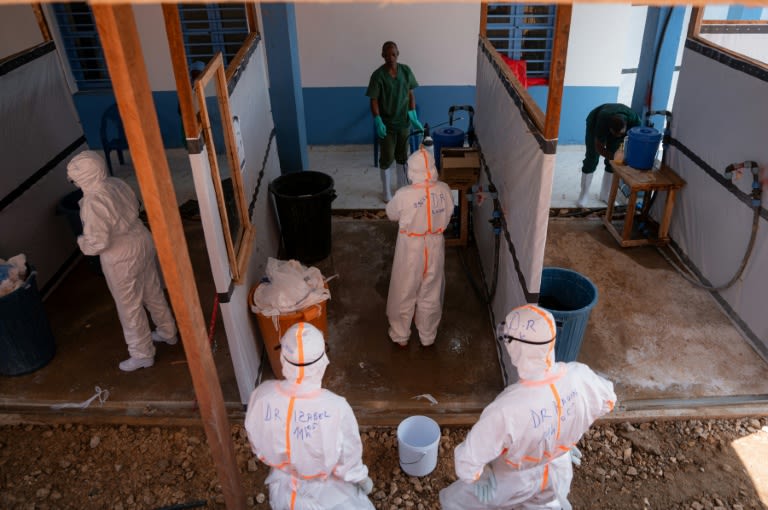
global health crisis: nurses in DRC fight ebola amid unpaid wages
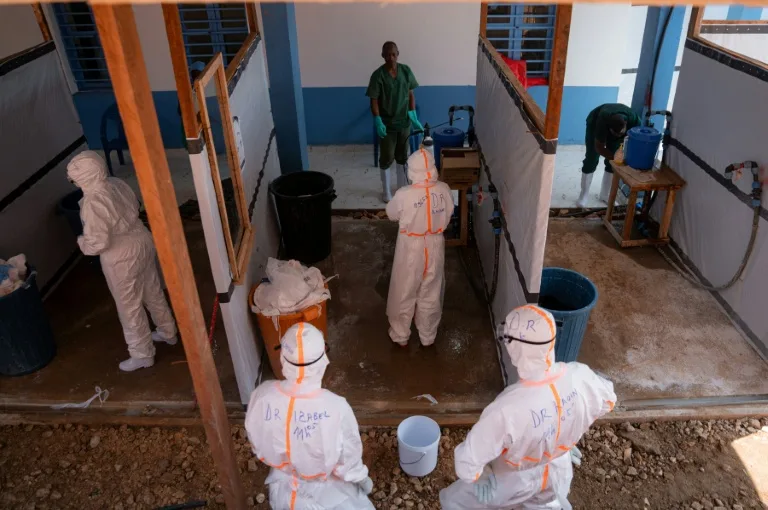
The International Council of Nurses (ICN), the world’s largest organization representing nursing professionals, has urgently called on Congolese authorities to compensate healthcare workers battling Ebola in the Democratic Republic of Congo (DRC).
Three months after the country declared its 17th Ebola outbreak on May 15, the response remains severely underfunded. Healthcare systems in one of the world’s poorest nations are struggling to contain the virus, leaving frontline workers vulnerable to financial and physical hardship.
“You cannot fight Ebola without paying those leading the charge,” stated Howard Catton, ICN Chief Executive Officer. The federation represents over 140 national nursing associations, encompassing more than 30 million nurses worldwide.
“Nurses and healthcare workers risk their lives daily to protect communities, often at great personal cost. Yet, months into this crisis, many still await unpaid salaries and risk allowances,” he added.
Founded in 1899 and headquartered in Geneva, the ICN sent an urgent letter to DRC’s Minister of Health, Roger Kamba, demanding immediate action to settle outstanding payments and safeguard healthcare personnel.
According to the ICN, frontline nurses and healthcare workers have gone without pay for two to three months. The situation, Catton emphasized, “demands urgent political leadership and direct intervention.”
Key demands include:
- Immediate payment of overdue salaries and allowances
- Guaranteed regular payments moving forward
- Provision of adequate personal protective equipment (PPE)
- Access to insurance and other essential protections
The current outbreak, already the second-deadliest in history, has claimed over 2,128 lives out of 4,566 confirmed cases—just three months since its declaration. This compares to seven times more cases and five times more deaths than the first three months of the West African Ebola epidemic, which devastated the region between 2014 and 2016.
Dr. Tedros Adhanom Ghebreyesus, Director-General of the World Health Organization (WHO), warned that the epidemic is spreading faster than any previous outbreak and could soon surpass the West African crisis in scale.
Despite a joint preparedness and response plan requiring $518 million, only $264 million has been mobilized. No specific vaccine or treatment exists yet for the Bundibugyo Ebola variant driving this outbreak.
In the absence of a tailored solution, the WHO is pushing for clinical trials of the Ervebo vaccine, currently approved for the Zaire strain, to be expedited. “We are preparing to submit the trial protocol for regulatory review in the DRC,” said Vasee Moorthy, head of WHO’s Research & Development program.

Mariama Hamani
Analyst
Boureima Amadou
- Top Stories
- October 1, 2026
- 130 views
Moussa Kaka’s month-long disappearance in Niger: the widening toll on citizens, commerce and public trust
One month of silence, and a country left guessing In Niger, the pressure on independent journalism has now stretched past the one-month mark, and the consequences are rippling far beyond…

Mariama Hamani
- Top Stories
- October 1, 2026
- 41 views
Is Barrick Gold’s Loulo-Gounkoto truce a strategic blunder for Mali’s mining future
A truce built on silence: what is Barrick Gold really hiding at Loulo-Gounkoto? The suspension of the strike notice at the Loulo-Gounkoto gold complex conceals a financial pact of a…





