
 Mariama Hamani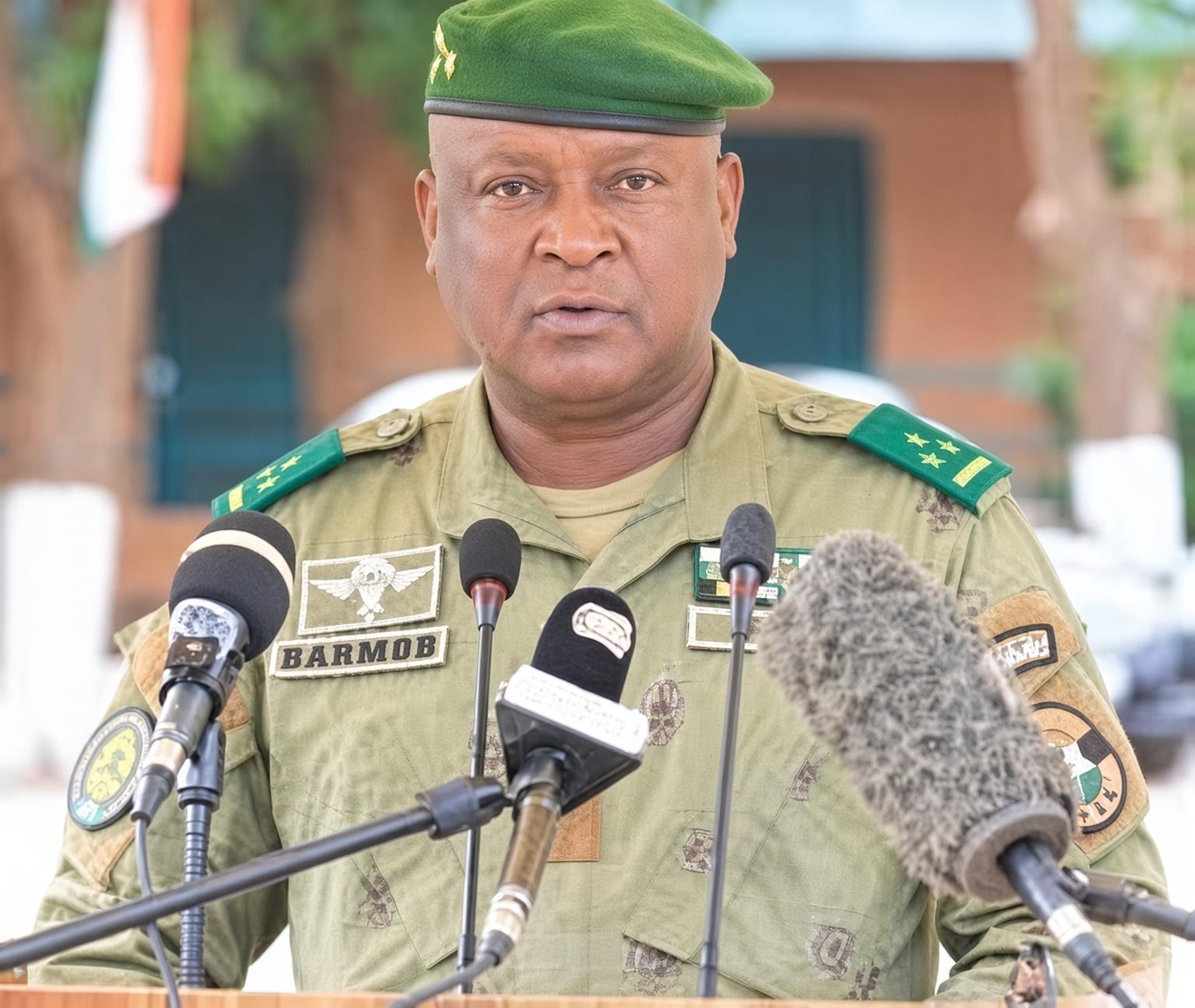
The detention of one of the most powerful officers in Niger has set off a wave of reaction across Niamey and beyond. Major General Moussa Salaou Barmou, until recently the chief of general staff of the Nigerien Armed Forces, was dismissed on 11 September 2026 and is now confined to his home under surveillance. The move lands barely two weeks after an aborted mutiny at Air Base 101 on 28 and 29 August — and it has opened a public argument about where the junta goes from here.
How the fallout is being felt in the capital
Within hours of the decree, the city was flooded with contradictory claims. Some insisted the decision had been reversed, others described a leadership gripped by distrust of its own ranks. What is not in dispute is that General Barmou, a central figure in the July 2023 overthrow of Mohamed Bazoum, has been stripped of his command and placed under house arrest.
The official line ties his removal to the unrest at Air Base 101. No direct involvement has been formally established, yet the suspicion at the top of the state was enough to end his career.
A reshuffle that closes ranks
The dismissal came by presidential decree. General Abdourahamane Tiani immediately handed control of the armed forces to Brigadier General Mamane Sani Kiaou, who had been running the land army. For observers, the handover is less a routine appointment than a signal: the executive is tightening its grip and closing off any space for internal challenge.
The way the August crisis was resolved, with Russian Africa Corps personnel supporting operations on the ground, laid bare deep rifts inside Niger’s security apparatus. By sidelining one of the country’s most influential officers, the junta is warning the entire military hierarchy that dissent will not be tolerated and that even the faintest hint of disloyalty carries a price.
Reactions: denial, rumour and a crisis of confidence
In Niamey, responses have swung between premature claims of a denial and a bitter recognition that trust inside the system has collapsed. Critics of the regime read the episode as the classic trap of governments born from force: they start by breaking the rules and end up consumed by suspicion of the very people who put them in power.
Turning on its earliest allies, the leadership in Niamey exposes how fragile alliances built on a constitutional rupture really are. General Barmou’s case is one more reminder that in the machinery of military rule, yesterday’s loyalty rarely guarantees tomorrow’s safety.
What comes next
The immediate question is whether the purge stops with Barmou or spreads further down the chain of command. Each new arrest or dismissal risks deepening the distrust that triggered the last one, pushing the junta into a cycle it may struggle to escape.
For now, the general remains at his residence, his fate unresolved, while the debate over the direction of Niger’s military leadership continues to sharpen.


 Boureima Amadou




