Boureima Amadou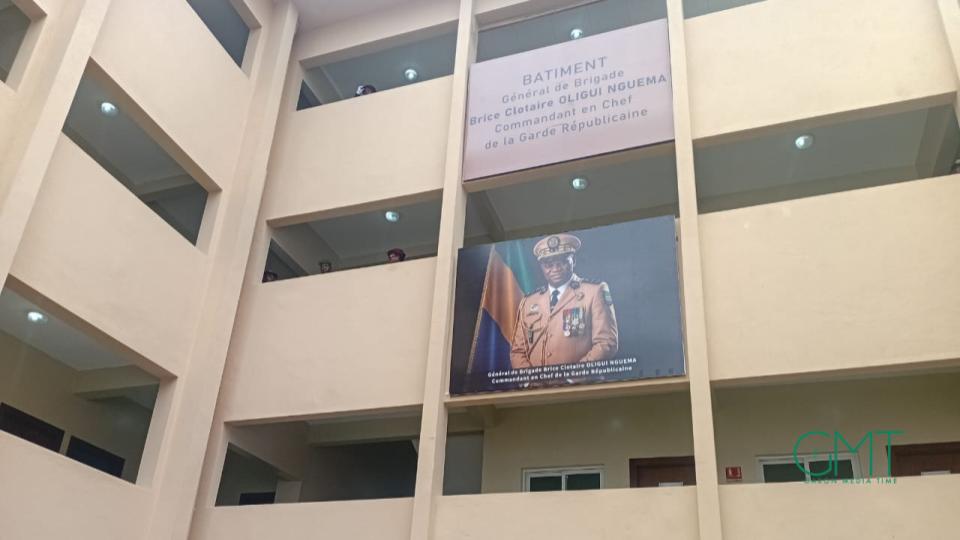
The President of Gabon, Brice Clotaire Oligui Nguema, officially inaugurated a new annex building for the Command-in-Chief of the Penitentiary Security on August 13, 2026, in Libreville. Named the “Bâtiment Général de Brigade Brice Clotaire Oligui Nguema, Commandant en chef de la Garde Républicaine”, this three-story structure houses 38 offices and is designed to support the modernization of the penitentiary administration. The move has been praised by Justice Minister Augustin Emane, though he acknowledged that administrative upgrades must now extend to addressing ongoing challenges within Gabon’s prison system.
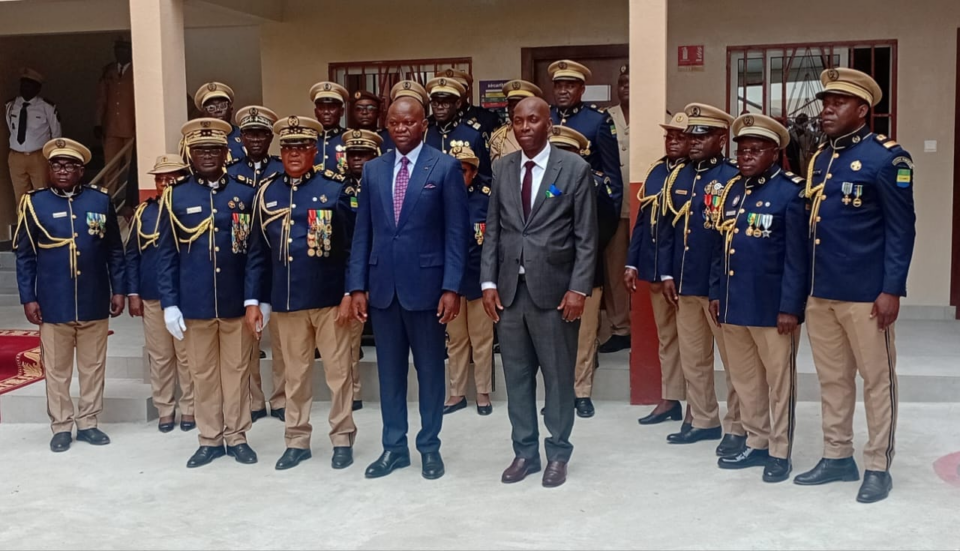
The event brought together government officials, military commanders, and senior officers, with President Oligui Nguema—also Supreme Head of Defense and Security Forces—cutting the ribbon to mark the building’s official launch.
This new facility features 38 offices along with dedicated rooms for operations, supervision, and conferences. Its primary goal is to enhance working conditions for staff responsible for managing and overseeing penitentiary security.
Modernization as part of broader judicial reform
In his address, Justice Minister Augustin Emane described the new building as a “decisive step in modernizing Gabon’s judicial and penitentiary institutions.” He emphasized that this infrastructure supports the reorganization of the Autonomous Penitentiary Security Corps, a reform spearheaded by the authorities. For Emane, the building’s completion reflects a commitment to building a state that restores its authority while upholding the dignity of those under its custody.
The facility will operate under the leadership of General Jean Germain Effayong Onong, Commander-in-Chief of the Penitentiary Security, whose dedication to the project was highlighted by the Justice Minister.
From offices to prison conditions: the next frontier
One of the most significant points in Emane’s speech was his recognition that central administrative upgrades alone cannot resolve the systemic issues plaguing Gabon’s prison system. He urged a closer look at the realities within the country’s detention centers, where needs extend beyond modern offices to include improved dormitories, surveillance equipment, technical controls, and security measures.
The path forward must balance administrative modernization with tangible improvements in detention conditions. While outfitting command centers with state-of-the-art facilities is progress, it is equally vital to enhance the working environment for staff and the living conditions for inmates—two sides of the same reform coin.
Balancing security and human dignity
Emane reiterated the government’s goal of reconciling “unwavering penal rigor with the humanity owed to every detainee.” This vision prioritizes detention facilities that meet international legal standards, ensuring both security and respect for human dignity. A modern penitentiary policy, he argued, goes beyond preventing escapes or tightening surveillance—it must guarantee the rights of inmates, the safety of staff, and ultimately, prepare detainees for reintegration into society.
Following a military chaplain’s opening prayer by Serge Obame Mihindou, President Oligui Nguema toured the facility. Ali Adiahéno, representing the construction firm Abnia Gabon, expressed gratitude for the government’s trust in the project.
While the new annex provides the Command-in-Chief with a modern administrative hub, the more critical challenge lies ahead: extending these reforms inside Gabon’s prisons to deliver meaningful improvements for both staff and detainees.