Boureima Amadou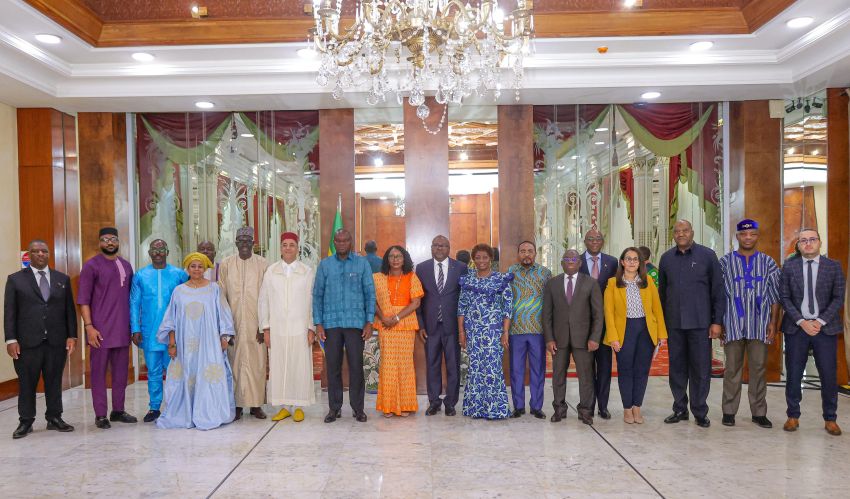
Gabon’s new diplomatic vision: sovereignty and regional influence under Oligui Nguema
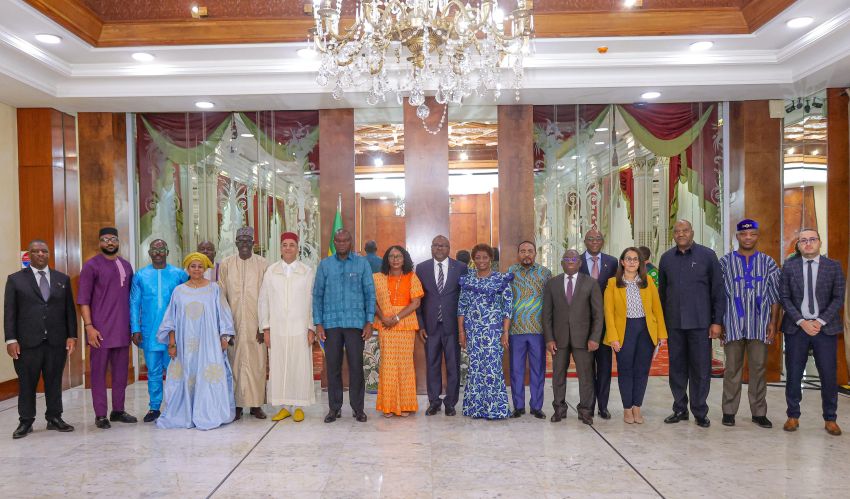
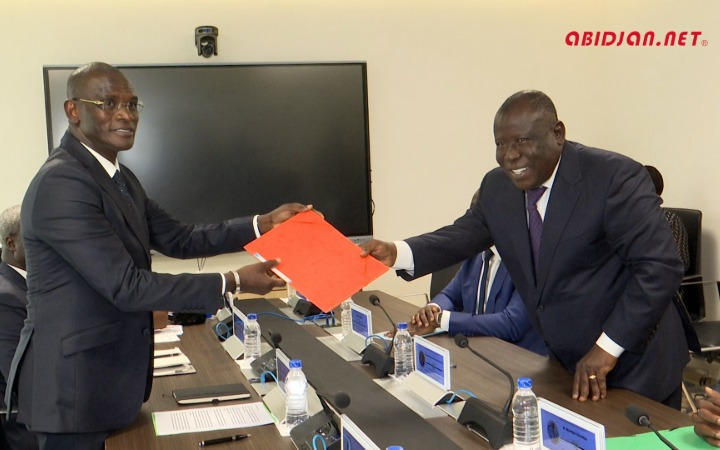
Libreville, Saturday, June 13, 2026 — In a continent where geopolitical shifts are reshaping alliances, Gabon is redefining its diplomatic ambitions under President Brice Clotaire Oligui Nguema. The leader’s recent meeting with African ambassadors in Libreville was far from a routine diplomatic gathering—it marked the unveiling of a bold vision for Gabon’s role in Africa’s future.
The president’s address to accredited diplomats from across the continent was a strategic move. Gabon is no longer content with passive participation in continental affairs. Instead, Libreville is positioning itself as a stabilizing force, a dialogue facilitator, and a champion of African-led integration. In a region grappling with security crises, competing influences, and debates over development models, Gabon is asserting its voice with renewed clarity.
An Africa shaped by Africans
The cornerstone of President Oligui Nguema’s vision is a fundamental principle: Africa’s challenges demand African solutions. This stance aligns with a growing continental trend, where leaders from the Sahel to Southern Africa are pushing for greater sovereignty in economic, security, and institutional matters.
Gabon’s diplomatic roadmap rests on three pillars. First, accelerating regional integration to boost intra-African trade, which remains among the lowest globally. Second, strengthening South-South cooperation to share successful models and foster economic synergies. Third, enhancing national capacities so each country can independently tackle its development challenges.
This approach moves beyond idealistic calls for unity, focusing instead on pragmatic, results-driven policies.
From stability to regional influence
Diplomats praised Gabon’s progress over the past three years, particularly in infrastructure, urban development, and public services. Yet these achievements are not merely domestic successes—they are strategic assets the government aims to convert into regional influence.
Gabon is transitioning from a diplomacy rooted in politics to one built on tangible projects. Renewed joint commissions with African partners aim to foster cooperation in energy, transport, agriculture, digital innovation, and education. The nation is also boosting its international profile through high-stakes bids, including hosting the African Union-Regional Economic Communities’ semiannual meeting in 2027 and the Francophonie Summit in 2030.
Balancing openness with governance
The meeting also addressed practical concerns, such as the status of African nationals in Gabon. Ambassadors raised administrative issues, to which the president responded by reaffirming Gabon’s commitment to international conventions and improving consular services.
While Gabon embraces its tradition of hospitality toward Africans, Oligui Nguema emphasized that this openness must align with national laws—a blend of regional appeal and governance rigor.
In a subtle but significant gesture, the president reached out to the Alliance of Sahel States, advocating dialogue and mutual understanding as tools to resolve regional tensions. This underscores Gabon’s ambition to serve as a neutral mediator across Africa’s diverse political landscapes.
The meeting concluded with a clear message: Libreville is no longer content with being seen as a stable Central African capital. Gabon seeks a more prominent role in continental affairs, anchoring its influence in cooperation, peace, and regional integration. The challenge ahead lies in translating this vision into concrete outcomes—because in today’s Africa, credibility is measured in actions, not words.