Boureima Amadou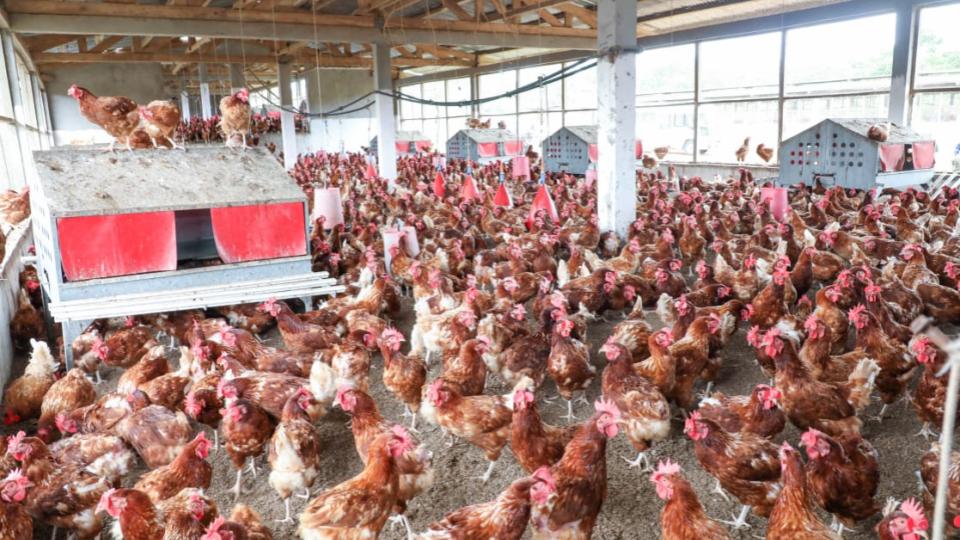
Gabon’s push to boost local food production has taken a new turn with the announcement of a major poultry venture by Guinean group SONOCO, promising over 15 million chickens annually. While the initiative aims to strengthen food security, it has reignited discussions about the country’s economic sovereignty and the role of homegrown enterprises in this vision.
But the conversation isn’t about rejecting foreign investment—it’s about recognizing why homegrown solutions should come first. In a nation still reliant on food imports, every effort to enhance local production deserves attention. Yet the spotlight on SONOCO’s ambitious project has left many wondering: If Gabon seeks economic independence, why aren’t the entrepreneurs who have already invested years of effort and capital in the sector being prioritized?
SOGADA: Gabon’s unsung agricultural pioneer
One name keeps surfacing in this debate: the Société Gabonaise de Développement Agricole (SOGADA), a private Gabonese agribusiness operating in Meyang, just 50 kilometers from Libreville. For over a decade, SOGADA has turned vision into reality, building a sprawling 160-hectare agro-industrial complex with nearly 16 billion CFA francs in investments.
What sets SOGADA apart isn’t just its scale—it’s its integration. The company doesn’t just raise poultry; it runs a full ecosystem: chicken and egg production, pig farming, processing of local crops, and even a facility manufacturing egg packaging materials. This is the kind of end-to-end value chain Gabonese leaders now advocate for, yet SOGADA has been doing it for years.
Actions speak louder than policy announcements
The contrast between SOGADA’s decade-long track record and the recent foreign-led initiative highlights a critical gap. While SONOCO’s project promises future employment and reduced poultry imports, SOGADA is already delivering on both fronts—today. The company supports local jobs, pays taxes, and reduces the need for imports, all while proving that Gabon’s agricultural sector can thrive with private capital alone.
This raises a pressing question: If Gabon’s economic sovereignty is a national priority, why are homegrown champions like SOGADA not at the forefront of this push? Why does the state’s support seem to favor foreign investors over entrepreneurs who took risks when the sector was still considered risky?
Economic sovereignty isn’t just a slogan—it’s a strategy
True economic independence isn’t built on foreign investment alone. It’s forged when governments actively nurture local enterprises, providing them the infrastructure, financing, and policy backing they need to scale. South Korea, Morocco, and Rwanda didn’t achieve industrial or agricultural transformation by outsourcing their development—they did it by empowering their own businesses.
Gabon faces the same choice now. Will it continue to treat foreign-led projects as headline-makers while domestic pioneers wait in the wings? Or will it finally place local innovators like SOGADA at the heart of its economic agenda, giving them the recognition and support they’ve earned?
The real challenge for Gabon’s leadership
No one denies the potential of SONOCO’s project. If successful, it could indeed move Gabon closer to food self-sufficiency. But the deeper issue isn’t about who produces the poultry—it’s about who builds Gabon’s future.
A nation that doesn’t champion its own investors, protect their growth, and integrate them into national strategies risks importing not just goods, but also the foundations of its development. Gabon’s leaders now face a decision: Will they let foreign ventures take center stage, or will they finally reward the local builders who have already laid the groundwork for a sovereign economy?