Boureima Amadou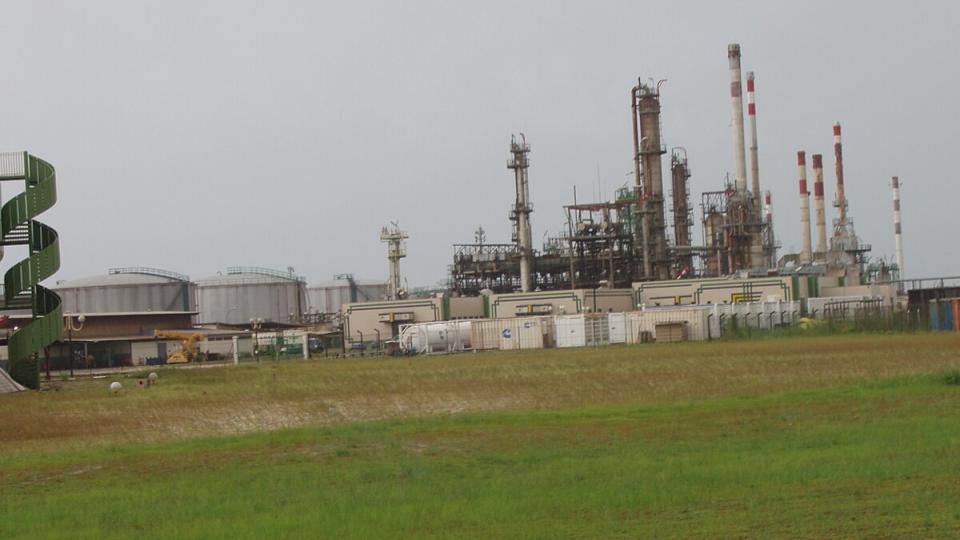
Despite its standing as a prominent oil producer within Central Africa, Gabon grapples with a persistent economic paradox: its heavy reliance on imported refined petroleum products. Addressing this vulnerability, the Bank of Central African States (BEAC) is urging authorities in Libreville to expedite the modernization of the Gabonese Refining Company (SOGARA). This initiative is deemed crucial for alleviating public finances and safeguarding sub-regional foreign exchange reserves.
This critical alert was articulated in the BEAC’s latest report, which analyzes inflation trends and economic forecasts for the CEMAC zone. While Gabon extracts significant volumes of crude oil daily, the constrained operational capacity and aging infrastructure of SOGARA compel the nation to procure substantial volumes of gasoline and diesel from global markets.
This situation directly exposes Gabon’s economy to the vagaries of global market fluctuations. Geopolitical tensions and volatile international prices inflate the energy bill, exerting significant pressure on the national trade balance and increasing strain on monetary reserves managed by the central bank. This is a key concern in current African current affairs, impacting the continent news landscape.
the urgent need for industrial upgrading
To navigate this impasse, the issuing institution advocates for targeted investment in the modernization of the Port-Gentil refinery. The BEAC specifically recommends acquiring advanced technological equipment, such as a hydrocracker, which is essential for boosting the yield of “white” fuels and converting a larger proportion of locally extracted crude oil into usable products.
Such a transformation would enable SOGARA to more effectively supply the domestic market and gradually diminish the energy subsidies that currently burden the national budget.
anticipated budgetary decisions
The BEAC’s call now shifts the onus onto the Gabonese government. The stakes extend beyond mere technicalities; this represents a strategic decision concerning economic sovereignty and energy security, highlighting challenges in African governance.
Observers and financial market participants will closely monitor upcoming deliberations on the draft Finance Bill (PLF) to ascertain whether this priority recommendation translates into tangible budgetary commitments. For Gabon, successfully achieving this pivot towards local refining would represent a significant catalyst for macroeconomic stabilization in the years ahead.


 Mariama Hamani