Mariama Hamani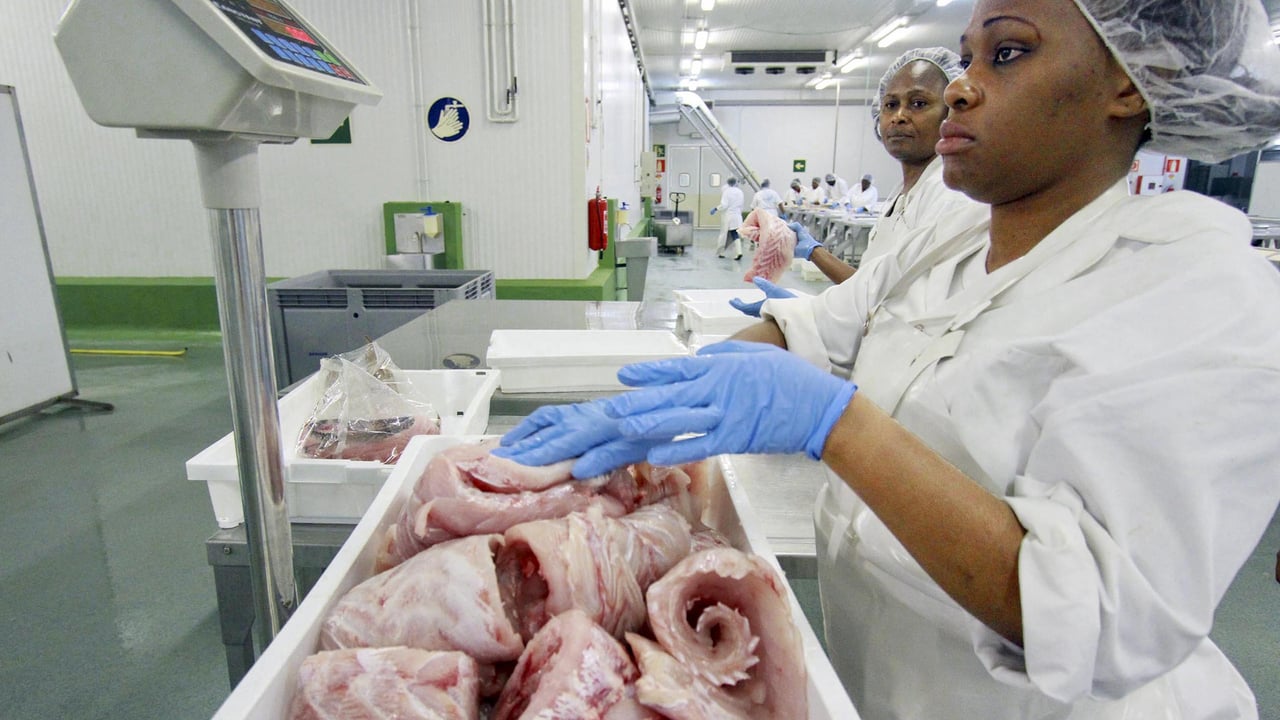

Just published Reading time: 2 minutes.
Gabon ends EU fishing pact over sovereignty demands
The Gabonese government has officially terminated its decades-old fisheries agreement with the European Union, marking a decisive shift in the country’s approach to managing its maritime resources. The decision reflects growing national expectations regarding the exploitation of local waters, with authorities emphasizing the need for full control over economic activities at sea.
The termination comes after months of negotiations that failed to align the terms of the accord with Gabon’s evolving regulatory and economic priorities. While the agreement had previously provided financial compensation and technical support in exchange for EU fishing rights, officials now argue that these benefits no longer justify the concessions made on national sovereignty.
The move sends a clear signal about Gabon’s commitment to asserting its authority over Atlantic fishing grounds, which are home to some of the most productive marine ecosystems in Central Africa. Local experts point out that the government’s decision aligns with broader regional trends, where coastal nations are increasingly prioritizing independent resource management.
Key implications of the termination
The expiration of the EU fisheries deal is expected to have wide-ranging consequences for both Gabon’s fishing industry and its international partnerships. Here’s what changes for stakeholders:
- Revised licensing framework: Gabon will now issue its own fishing permits, giving local authorities full discretion over access to national waters. This could lead to stricter quotas or higher fees for foreign operators.
- Economic readjustments: The loss of EU funding linked to the accord may impact small-scale fishing communities that relied on associated development programs. Authorities have pledged alternative support measures to mitigate these effects.
- Environmental considerations: With greater control over fishing activities, Gabon can now enforce stricter sustainability rules, potentially attracting eco-certification for its seafood exports.
- Regional dynamics: The decision could influence neighboring countries negotiating similar agreements with the EU, particularly those in the Gulf of Guinea where maritime governance is a growing concern.
Reactions from the fishing sector
Local fishermen and industry representatives have expressed mixed feelings about the termination. Some welcome the opportunity to operate under a national framework, believing it will reduce foreign competition and boost local employment. Others, however, warn of short-term disruptions, especially for artisanal fishers who may struggle with the transition.
Government officials have sought to reassure stakeholders by highlighting plans to invest in domestic fishing infrastructure and training programs. The goal is to build a more resilient sector capable of thriving without external partnerships.
What’s next for Gabon’s fisheries?
The termination of the EU agreement does not imply an end to international cooperation in the sector. Instead, Gabon is expected to pursue new bilateral or multilateral arrangements on terms more favorable to its interests. Talks are already underway with other partners to replace the void left by the EU deal, with an emphasis on technology transfer and capacity building.
For now, the focus remains on implementing the new regulatory framework and ensuring a smooth transition for all actors involved. The government has assured that transparency and fairness will guide the process, as Gabon charts a new course in its maritime strategy.
This bold step underscores the country’s determination to take charge of its economic destiny, particularly in sectors as vital as fisheries where self-sufficiency is increasingly seen as a strategic imperative.

 Boureima Amadou