Boureima Amadou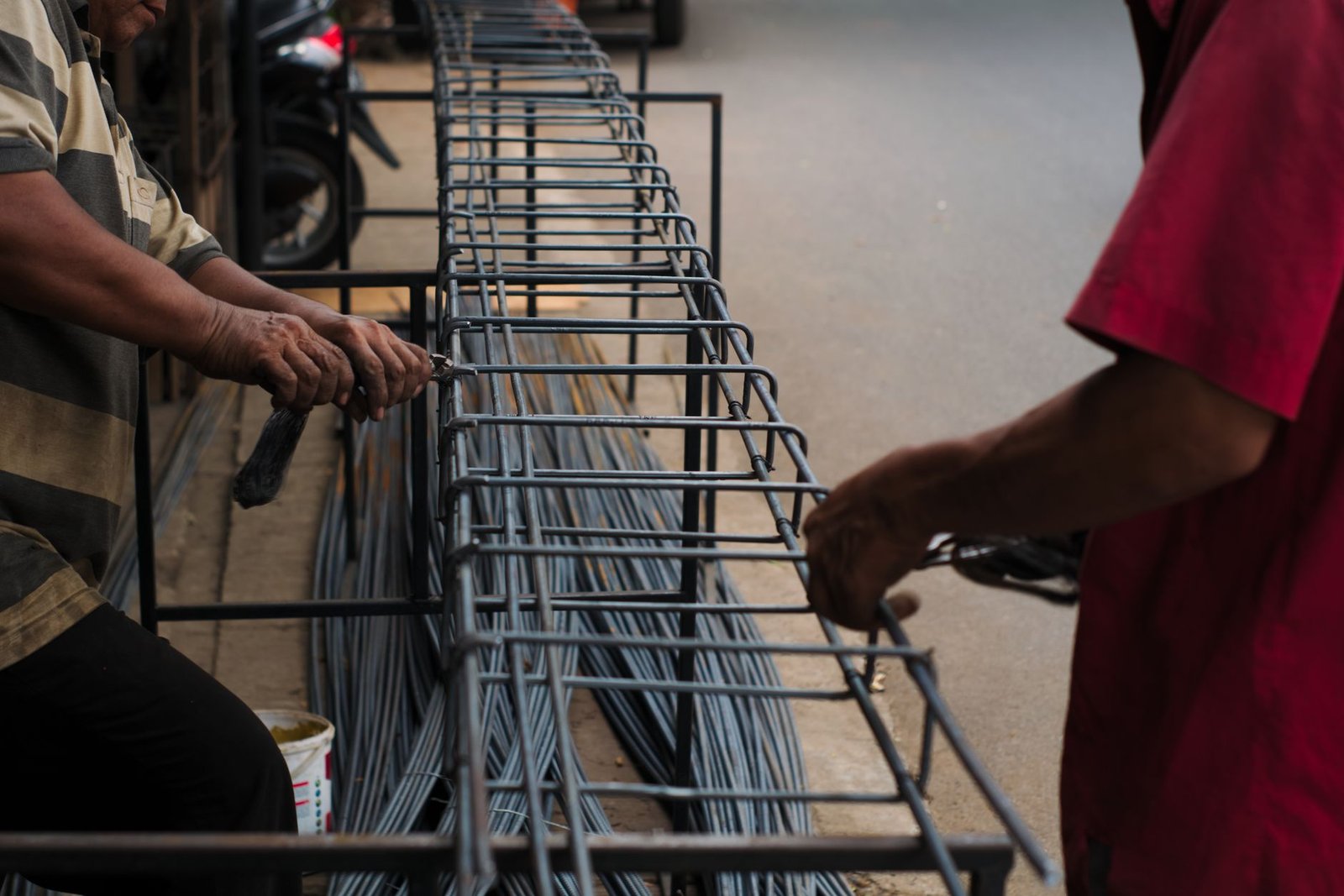
Gabon’s industrial landscape is poised for a significant shift as domestically produced rebar takes center stage in its economic strategy. On July 1st, in Nkok, Lubin Ntoutoume, the Minister of Industry and Local Transformation, officially initiated construction for the new Prometal Gabon factory. This ambitious project, a collaboration between the Gabonese State and the Pometal group, represents a substantial investment of 38 billion FCFA. The construction phase is projected to span twenty-four months within the Special Investment Zone (ZIS), specifically designed to attract processing industries. Once operational, the facility is targeting an annual production capacity of 60,000 tons of rebar.
This development underscores Libreville’s concerted effort to promote import substitution, a key pillar of its current economic policy. Gabon presently relies heavily on foreign steel products, despite possessing abundant, yet largely untapped, mineral resources. By fostering robust domestic industrial capabilities, the government aims to curb foreign currency outflows and fortify a manufacturing sector that has historically focused on exporting raw materials.
Nkok: a hub for local processing and industrial growth
The Nkok Special Investment Zone, which has been operational for over ten years, serves as a prime example of Gabon’s continuous diversification policy. As a free zone offering preferential tax and customs regulations, it already hosts businesses in timber, light metallurgy, and logistics. The integration of a steel mill specifically for rebar production will significantly enhance this developing ecosystem. While still evolving, this zone is increasingly fostering integrated value chains, particularly within the construction and public works sectors.
The strategic location of Nkok is no coincidence. It benefits from direct access to the Transgabonais railway network and convenient proximity to the port of Owendo. These critical logistical advantages are essential for the efficient distribution of heavy industrial output. For Prometal Gabon, managing logistics is a fundamental cost factor; achieving competitive rebar production necessitates streamlined access to raw materials and effective distribution channels to major construction sites across Libreville, Port-Gentil, and Franceville.
1,350 jobs and anticipated economic ripple effects
The social impact of this initiative is particularly noteworthy. The projected 1,350 direct and indirect jobs will provide a significant boost in a nation grappling with persistent youth unemployment. Beyond the direct hires at the industrial site, the factory is expected to stimulate activity across a network of local service providers. This includes construction subcontractors during the building phase, as well as transporters, maintenance personnel, and technical service suppliers once full production commences.
However, the demand for specialized labor raises questions about Gabon’s existing training infrastructure. The steel industry requires advanced expertise in metallurgy, plant operations, and industrial maintenance – fields that are not extensively covered in current national technical curricula. Prometal Gabon will likely need to blend local recruitment with comprehensive knowledge transfer programs, a crucial aspect closely monitored by authorities within the public-private dialogue surrounding the factory’s establishment.
A sub-regional industrial venture with broad ambitions
With an annual output of 60,000 tons, Prometal Gabon’s ambitions extend beyond the domestic market. Gabon’s internal demand for rebar, driven by infrastructure projects and urban housing development, is currently less than the planned production capacity. This potential surplus naturally creates opportunities for regional exports, particularly to Equatorial Guinea, Congo, and southern Cameroon, where the need for construction materials remains substantial and market competition is still relatively fragmented.
This sub-regional aspiration comes at a time when the Economic and Monetary Community of Central Africa (CEMAC) has struggled to foster integrated industrial leaders. By establishing a steel plant within its borders, Gabon aims to capture added value that has traditionally gone to Asian and European importers. The announced twenty-four-month timeline for commissioning the facility will serve as a crucial test of credibility for the entire Nkok framework, which has sometimes faced criticism regarding project delays.
Ultimately, the project’s success will hinge on a stable macroeconomic environment and seamless collaboration between Prometal and the State, its shareholder. Past experiences with steel projects in the sub-region highlight the necessity of stringent governance and long-term clarity regarding energy tariffs and land tenure. Minister Lubin Ntoutoume presided over the groundbreaking ceremony.