Mariama Hamani
Gabon faces critical anti-corruption assessment in Libreville
Libreville, July 1, 2026 – As the fight against financial malpractice becomes a vital benchmark for national credibility among global investors and local citizens, Gabon is currently the focus of intense international scrutiny.
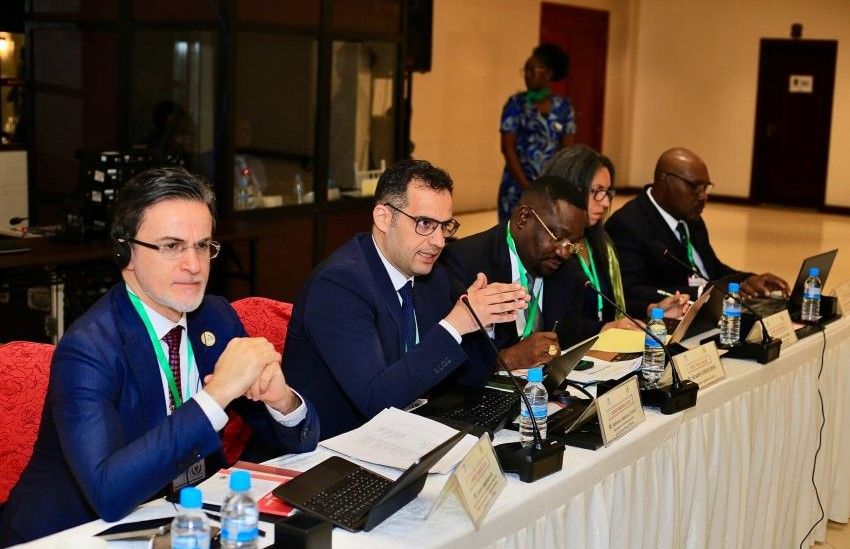
Since June 29, the capital has been hosting an essential evaluation mission for the second cycle of the United Nations Convention against Corruption (UNCAC) implementation review. While the proceedings may appear technical, the political and economic stakes for the country are immense, reaching far beyond simple administrative compliance.
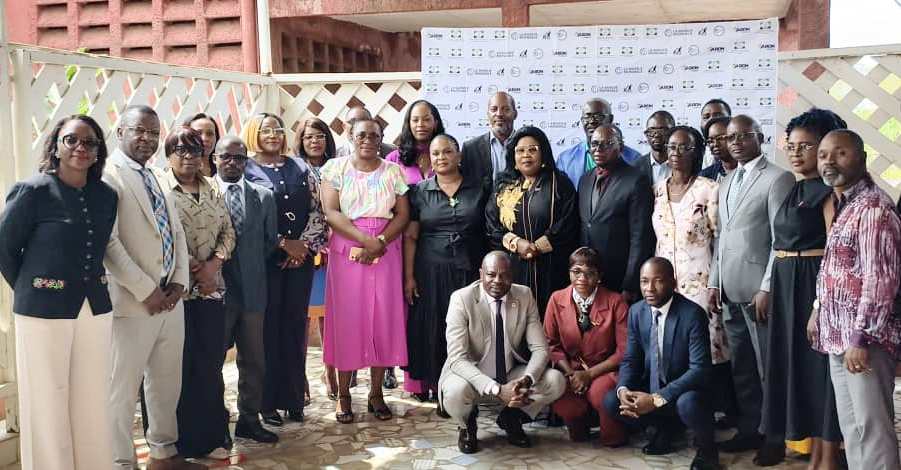
For three days, a panel of experts from the United Nations Office on Drugs and Crime, alongside specialists from Tchad and Libya and representatives from Gabonese institutions, are dissecting the effectiveness of national systems. Their focus includes prevention strategies, financial oversight, international judicial cooperation, and the recovery of stolen assets. This process aims to determine if Gabon’s global promises are being transformed into tangible results on the ground.
An evaluation reaching beyond diplomatic protocol
Taking place at the Boulevard Hotel in Libreville, this mission marks a decisive moment in the modernization of public governance. The review covers the full spectrum of anti-corruption tools, including financial traceability, inter-institutional coordination, and the specific mechanisms designed to halt illicit enrichment.
Séraphin Ondoumba, the focal point for the UNODC in Gabon and a member of the National Commission Against Corruption and Illicit Enrichment (CNLCEI), noted that this exercise serves as a platform to showcase advancements while honestly addressing remaining gaps.
International observers are looking past mere legislative texts. The core inquiry centers on the state’s ability to foster a lasting culture of public integrity and ensure the disciplined management of national wealth. In today’s global economy, transparency has become a primary factor in economic attractiveness, with financial institutions prioritizing governance quality as much as economic potential.
Governance at the heart of national transformation
The discussions highlighted the broad reforms initiated under the leadership of President Brice Clotaire Oligui Nguema. Priorities for the current administration include tackling corruption, optimizing public spending, sharpening administrative audits, and modernizing revenue collection.
Vice-President of the government Hermann Immongault emphasized that this mission is part of a wider strategy to cement transparency and administrative accountability in line with global expectations. This shift is notably visible in the gradual digitalization of financial and administrative workflows, a move intended to limit opacity, secure public funds, and improve the monitoring of financial movements.
Furthermore, the evaluation is inspecting the internal operations of the CNLCEI, public sector training programs, and the internal control systems deployed across various government departments.
Institutional strength as a measure of state credibility
The final report, expected this Wednesday, will serve as a definitive test of institutional reliability. In an era where transparency is a global demand, nations that prove their governance systems are effective gain significant economic leverage and diplomatic weight.
Gabon appears to recognize that integrity is no longer just a moral issue but a factor of national competitiveness. The strength of its institutions now dictates investor confidence and the success of public policies. The upcoming recommendations will provide a roadmap for correcting persistent weaknesses, though the ultimate success will depend on their rigorous application.
In the modern world, good governance functions as a strategic infrastructure, as vital as energy or transport networks. This week’s evaluation in Libreville is more than a routine check; it is a clear indicator of Gabon’s progress toward building a more transparent and globally respected state.


 Boureima Amadou