Mariama Hamani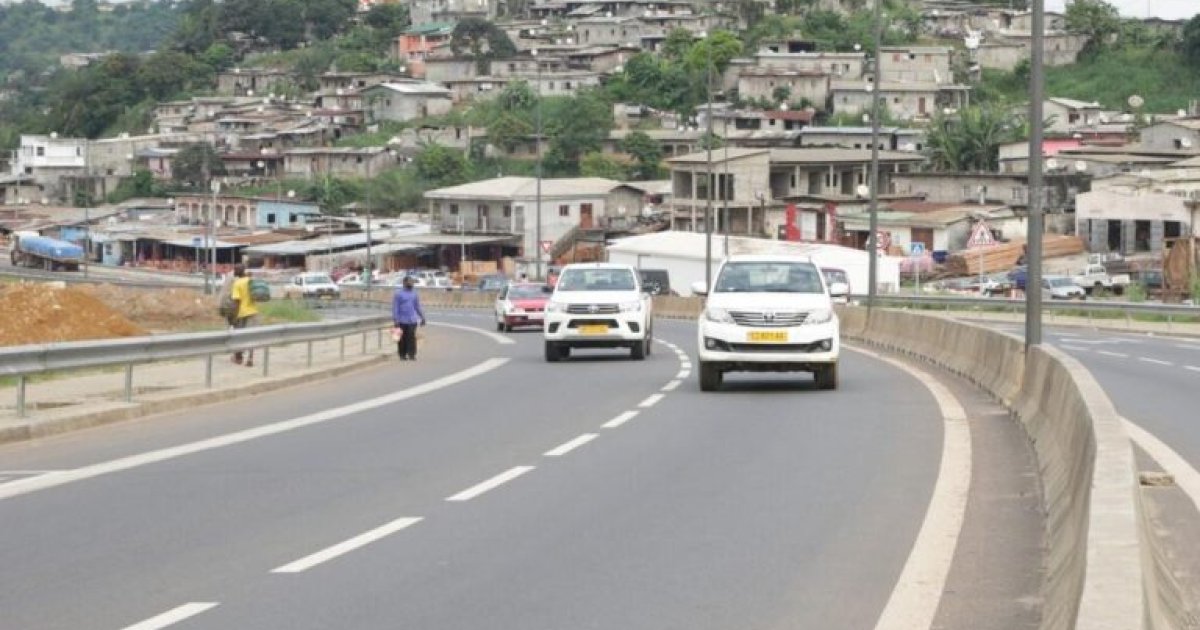
Gabon diversifies economy with mining sector expansion plans
The Gabon is positioning itself to mitigate declining oil revenues by accelerating its mining sector development. Over recent months, the government has unveiled multiple investment initiatives, while simultaneously advancing exploration and extraction operations across several provinces.
Seven months into his tenure as Minister of Mines, Sosthène Nguema Nguema reports a surge in mining activity. His strategic roadmap outlines plans to launch approximately eight new mining operations between 2026 and 2030, focusing primarily on iron ore extraction, with additional projects targeting gold and potash.
The administration anticipates these developments will generate thousands of jobs and substantially boost the mining sector’s contribution to the national economy. Currently accounting for about 6% of Gabon’s GDP, the sector is projected to expand its share to 15-20% in the coming years.
Infrastructure development: the backbone of mining growth
Orphée Mouelé, an economist educated at Omar Bongo University, emphasizes that the success of these mining initiatives hinges on critical infrastructure upgrades. He highlights the urgent need for enhanced road networks, railway lines, ports, and bridges to facilitate the efficient transport of extracted minerals.
The availability of reliable energy supply is equally vital. Future mining sites will require consistent power to sustain operations and support ancillary industrial activities, ensuring the sector’s long-term viability.
Edmiaune Zouga, president of the Ethics and Good Governance NGO, welcomes the economic opportunities presented by the mining expansion. However, she stresses the importance of ensuring these benefits translate into tangible improvements in living standards for the Gabonese population, fostering inclusive growth across the nation.


 Boureima Amadou