Mariama Hamani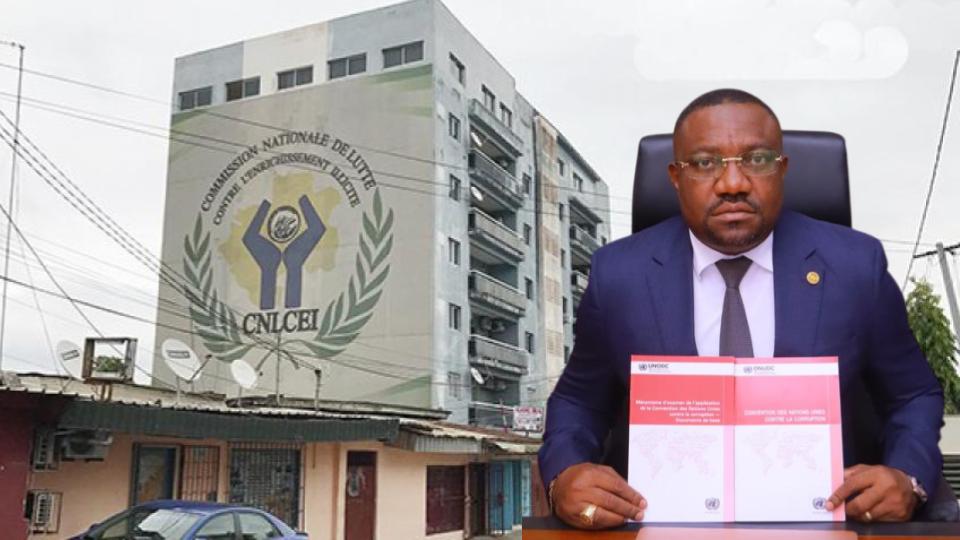
From June 29 to July 1, 2026, Libreville will host a high-level international assessment as part of Gabon’s second review cycle under the United Nations Convention against Corruption (UNCAC). A specialized team of UN experts, alongside representatives from Chad and Libya, will evaluate the country’s progress in preventing corruption and recovering illicit assets, marking a critical milestone in its anti-graft efforts.
The National Commission to Combat Corruption and Illicit Enrichment (CNLCEI) has confirmed the dates for this country visit, a key phase in the second evaluation cycle. This comes after years of institutional reforms and strengthened public sector oversight mechanisms aimed at curbing financial misconduct.
The upcoming assessment will focus on critical areas including public procurement transparency, asset declaration systems, civil society engagement, anti-money laundering frameworks, and asset recovery mechanisms. The findings will provide a comprehensive overview of Gabon’s compliance with global anti-corruption standards.
An evaluation with far-reaching implications
Gabon became a signatory to the UNCAC on October 1, 2007, and has since actively participated in the peer-review process established by UN member states. The first evaluation cycle centered on criminalization and international cooperation, while the current phase shifts focus to prevention and recovery of stolen assets.
The review, set to take place at the Boulevard Hotel in Libreville, will scrutinize national policies on financial transparency, judicial integrity, and institutional accountability. It will also assess the effectiveness of existing safeguards against money laundering and illicit financial flows.
Government and civil society unite for the assessment
A broad coalition of public institutions will contribute to the process, including ministries, the National Assembly, the Audit Court, the General Inspectorate of State, the National Agency for Financial Investigation (ANIF), customs, the Public Procurement Regulatory Authority (ARMP), judicial authorities, security forces, business associations, and civil society representatives.
The CNLCEI, led by Commissioner Séraphin Ondoumba as the national focal point for UNODC, will coordinate the evaluation. The mission presents an opportunity to showcase Gabon’s progress while identifying areas for further strengthening governance and transparency frameworks.
A test for good governance in Gabon
This review arrives at a pivotal moment, as citizens increasingly demand greater accountability, transparent public finances, and decisive action against illicit wealth accumulation. The outcomes will guide future reforms, offering technical support and best practices from other UNCAC signatory states.
By welcoming this international scrutiny, Gabon aims to reinforce its commitment to accountability, transparency, and rigorous public resource management—cornerstones for restoring public trust, attracting foreign investment, and meeting global governance expectations.

 Boureima Amadou