Boureima Amadou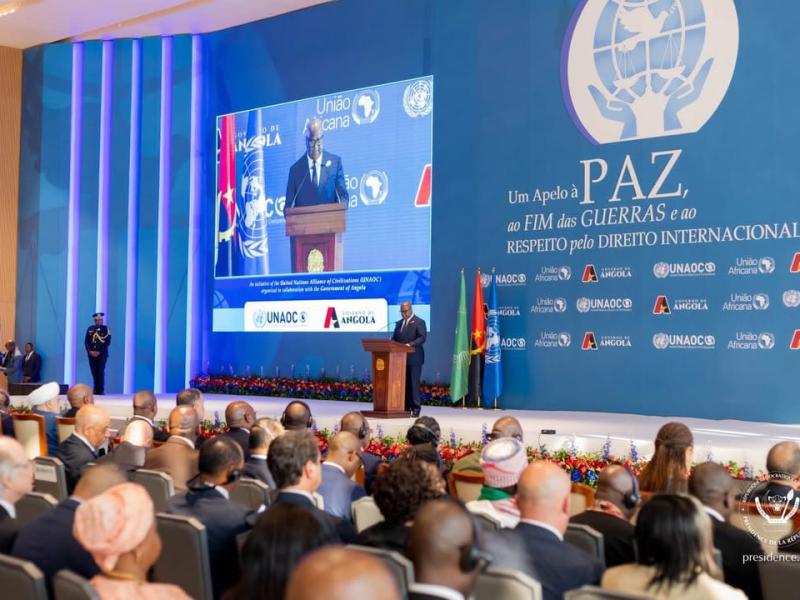
Luanda: Félix Tshisekedi declares Congo’s eastern crisis a ‘test for Africa and the international community’
- Security
Peace summit in Luanda: Congo’s president brands eastern DRC crisis a ‘continental and global test’
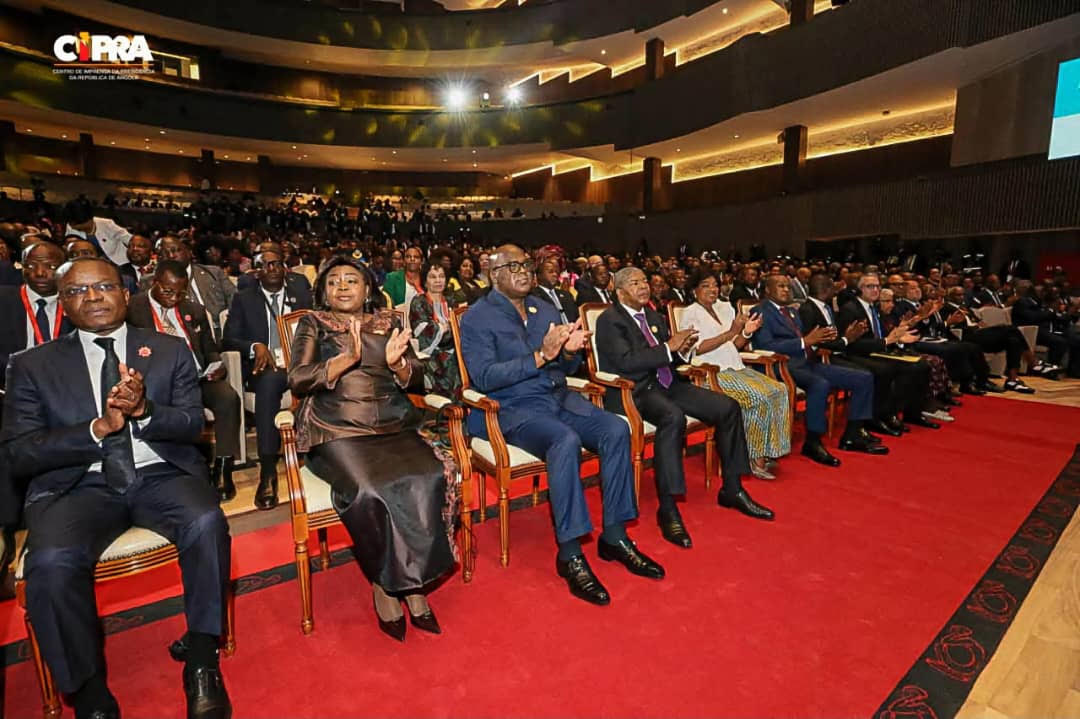
The third edition of the “Call for Peace, War Ending and International Law Respect” international initiative, held on July 16-17 in Luanda, Angola, brought together global leaders to address escalating conflicts worldwide. Organized by the United Nations Alliance of Civilizations (UNAOC) in partnership with Angola’s government, this high-level forum followed previous editions in Gernika, Spain and Sarajevo, Bosnia-Herzegovina.
Among the key speakers, Félix Tshisekedi, President of the Democratic Republic of Congo (DRC), delivered a powerful address highlighting his nation’s enduring struggle with armed violence in its eastern provinces. He underscored the devastating human and economic toll of illicit resource exploitation in conflict zones.
Congo’s eastern crisis: A test for Africa and beyond
Tshisekedi painted a harrowing picture of his country’s ordeal, emphasizing the catastrophic humanitarian consequences of prolonged conflict:
“My nation knows the price of war. We witness the agony of displaced families, the terror of populations trapped in violence, the dignity shattered for women subjected to grave abuses, the grief of communities ravaged by massacres, and the trauma of children deprived of education, safety, and hope. We also see how illicit exploitation of natural resources fuels war economies instead of financing development.”
The Congolese leader framed the eastern DRC crisis as a critical challenge for both Africa and the international community:
“For years, our eastern region has faced a severe security and humanitarian crisis driven by armed group activism, mass civilian displacements, human rights violations, territorial integrity threats, and foreign interference. This is not merely a national trial—it is a litmus test for our region, for Africa, and for the global community.”
Diplomatic efforts: A commitment to dialogue amid persistent violence
While reiterating the DRC’s support for ongoing peace initiatives—including the Washington and Doha processes backed by the African Union—Tshisekedi stressed that sustainable peace requires tangible, verifiable actions on the ground:
“Peace cannot remain an empty promise. It must translate into concrete measures: restoring state authority, protecting civilians, enabling dignified and voluntary returns for displaced persons and refugees, and paving the way for justice, reparations, and reconciliation. The Luanda Call must not be another hollow declaration. It demands a high-level commitment to defend international law wherever it is under threat, prevent conflicts before they escalate, and combat impunity without exception.”
A plea for renewed leadership: Putting people first
Urging a renewed focus on humanity in peacebuilding, Tshisekedi called on leaders to prioritize responsibility over indifference, justice over impunity, and truth over propaganda:
“As we mark the 80th anniversary of the United Nations Charter’s enforcement, our duty is not merely to celebrate its legacy but to uphold its promise: safeguarding future generations from the scourge of war. This promise remains urgent. It compels us to act now—with courage—to restore the rule of law, defend international law consistently, and build a more just and peaceful world order.”
The president’s remarks come as the eastern DRC continues to grapple with deteriorating security and humanitarian conditions, despite peace accords and mediation efforts. Violent clashes persist, negotiations stall, and commitments remain largely unimplemented, leaving civilians in the crossfire.