Boureima Amadou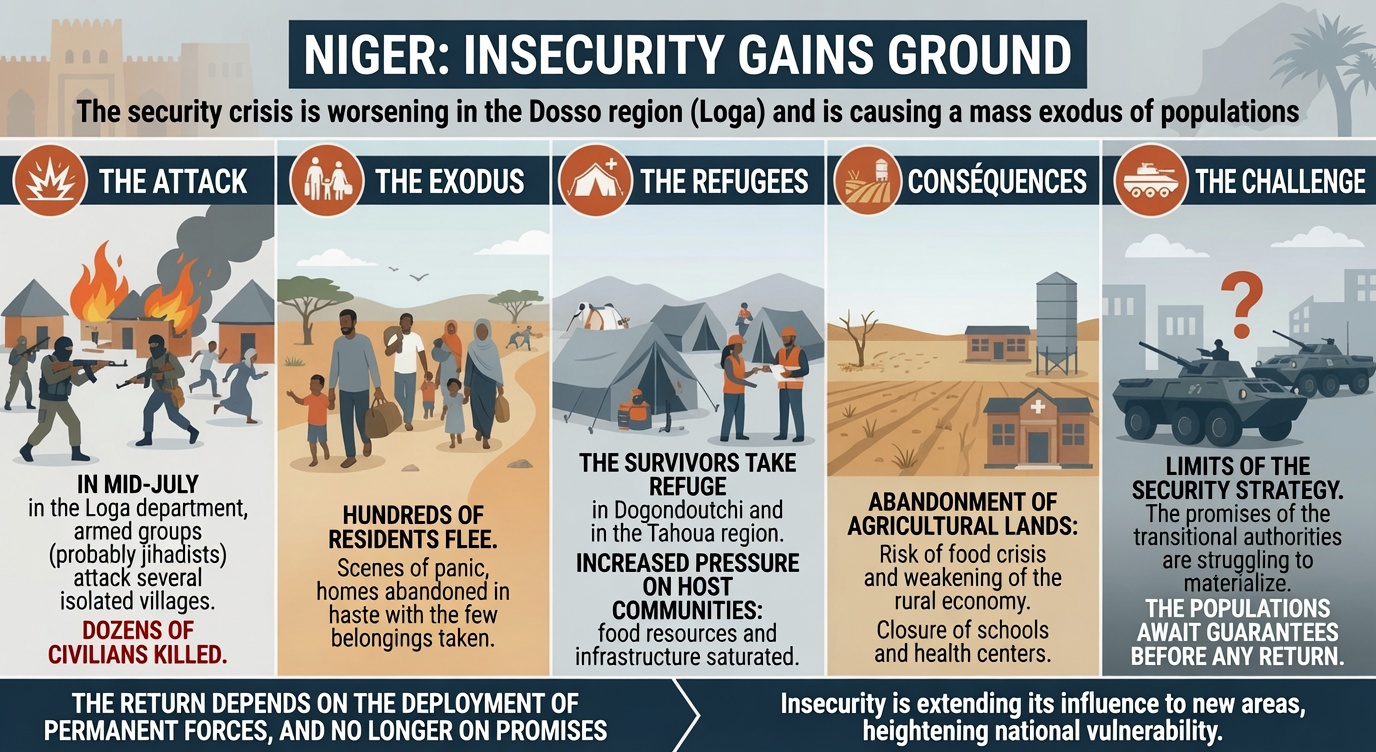
More than a hundred villages abandoned in Niger’s Dosso region
Escalating violence in Niger’s southern Dosso region has driven hundreds of residents from their homes in the Loga area. A series of deadly attacks in mid-July forced entire communities to abandon their villages, leaving behind homes, farmland, and livelihoods. The incidents underscore a growing trend: despite government assurances, civilians remain vulnerable to armed incursions, with communities bearing the brunt of the crisis.
The attacks, attributed to armed groups active in the region, resulted in numerous civilian casualties. Witnesses report coordinated raids on isolated settlements, exploiting gaps in security measures. Descriptions from the ground paint a picture of chaos—families fleeing with only the essentials, homes left in haste, and a pervasive sense of terror gripping the affected areas.
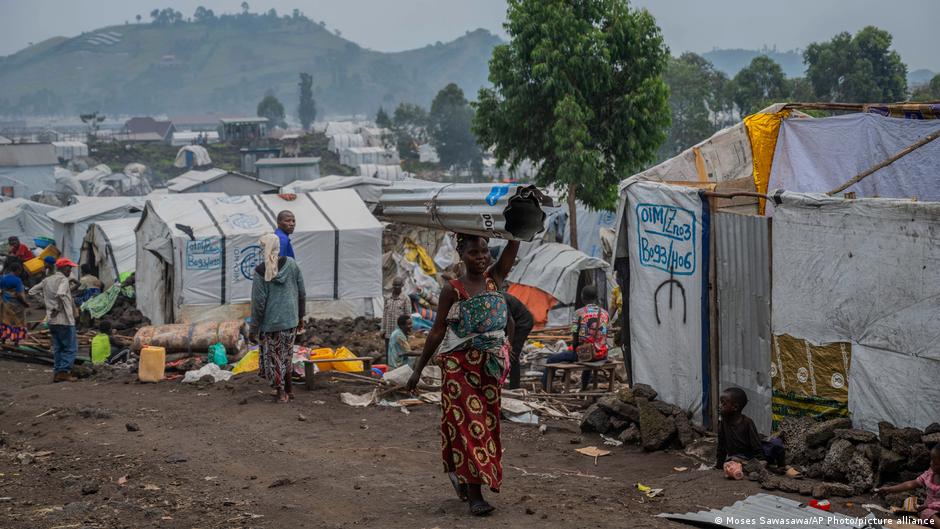
Survivors have sought refuge in nearby towns such as Dogondoutchi and other locations in the Tahoua region, hoping for better protection. Yet their arrival has placed additional strain on host communities already struggling with economic hardship, inadequate social infrastructure, and limited access to food.
Government promises fall short as attacks spread
The latest displacement crisis highlights the shortcomings of Niger’s security strategy. Since the transitional government took power, restoring national security has been declared a top priority. However, attacks continue to occur not only along borders but also in inland areas, raising serious questions about the effectiveness of military operations and troop redeployments.
The rising number of internally displaced persons (IDPs) serves as a stark indicator of the conflict’s deepening impact. When families abandon their lands, crops, and income sources, it signals a loss of faith in the state’s ability to protect them. For many, returning home depends not just on an end to hostilities but on tangible security guarantees.
Nigerien authorities have pledged to increase military presence in affected zones to facilitate the return of displaced populations. Yet locals remain skeptical. Many insist they will only return once security forces are permanently deployed and capable of preventing further attacks. Promises, they argue, have lost their weight in the face of recurring violence.
Economic and social toll threatens rural stability
The abandonment of farmland threatens agricultural output, potentially worsening food insecurity and destabilizing already fragile rural economies. Schools close, health centers operate at reduced capacity, and local markets struggle to function, deepening the vulnerability of affected communities.
Humanitarian needs are rapidly escalating. Displaced families require urgent access to food, clean water, medical care, and dignified shelter. Aid organizations warn that resources are increasingly stretched, with growing numbers of IDPs stretching already limited support systems.
Security crisis no longer confined to traditional hotspots
The spread of attacks into new regions raises concerns about the expanding influence of armed groups and their ability to exploit weaknesses in Niger’s security framework. What was once a localized conflict now risks engulfing wider areas, with unpredictable consequences for national stability.
For residents of Loga, the immediate priority remains the restoration of minimal security before any thought of returning home. Until then, the exodus of civilians is likely to continue, with human, economic, and social repercussions that could further entrench Niger’s deepening security crisis.