Boureima Amadou
Ebola spreads to sixth province in democratic republic of Congo
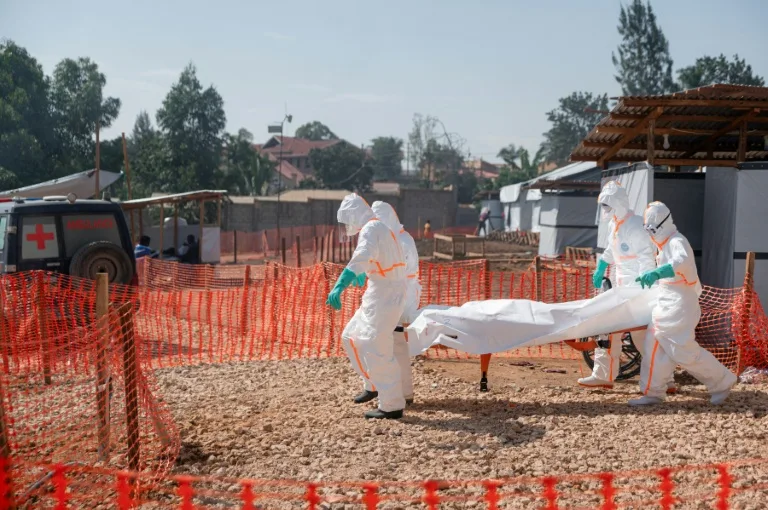
The Ebola outbreak in the democratic republic of Congo (DRC) has expanded into a sixth province, raising urgent concerns about its potential spread to neighboring south Sudan. This latest development marks a critical escalation in what health officials now describe as the country’s most devastating Ebola crisis to date.
Authorities declared the 17th Ebola outbreak on may 15, weeks behind schedule, following a surge in cases that has already claimed more lives than any previous epidemic in the DRC’s history.
The deadliest outbreak recorded in the country between 2018 and 2020 resulted in nearly 2,300 fatalities out of 3,500 confirmed cases. In stark contrast, the current epidemic has already surpassed those figures within just three months, with over 2,128 deaths and 4,566 confirmed cases reported by health authorities.
Previously, five provinces were affected: Ituri (bordering Uganda and south Sudan), north kivu, south kivu, haut-uelé, and tshopo. However, health officials confirmed the first Ebola-related death in bas-uelé, a northern province bordering the central african republic that had remained untouched until now. The victim had traveled from haut-uelé, where cases were already documented.
A rapidly worsening health crisis
The africa centers for disease control and prevention (africa cdc) has warned that the outbreak is progressing at an unprecedented rate globally. Within the first three months, the current epidemic has recorded seven times more cases and five times more deaths than the same period during the 2014 west african ebola outbreak, which was the deadliest in history.
Despite these alarming figures, the world health organization (who) has expressed cautious optimism, stating that it aims to reverse the upward trend within the next three months through intensified intervention efforts.
High-risk corridors and cross-border threats
The international humanitarian organization mercy corps has raised the alarm about the imminent risk of the virus spreading to south Sudan. Confirmed cases are now located just 35 kilometers from the south sudanese border, along high-risk movement corridors.
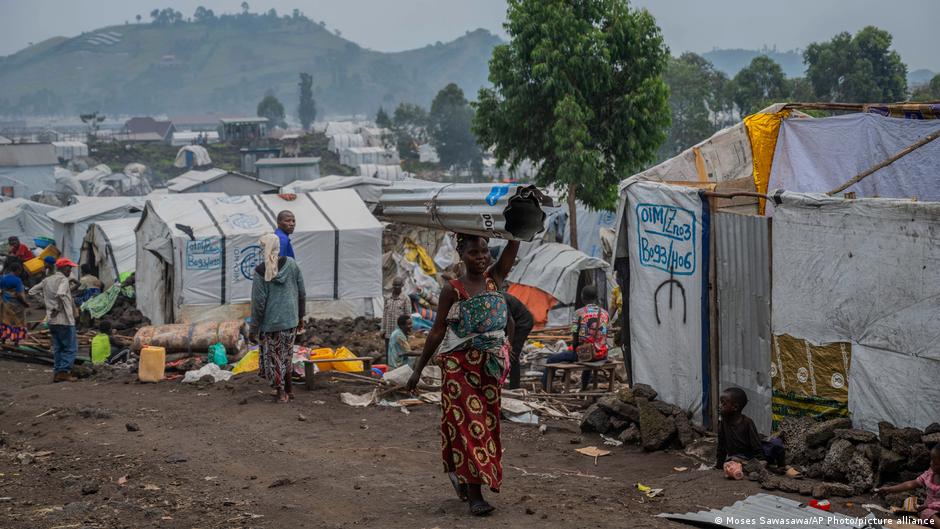
The response to the outbreak faces severe challenges, including overwhelmed healthcare services, limited access to clean water and safe sanitation, waning public trust, and persistent insecurity. In the north kivu and south kivu provinces, aid teams struggle to reach communities due to ongoing clashes between the congolese army and the m23 armed group, which has seized large territories with alleged support from Rwanda.
Progress and setbacks in containment efforts
Health authorities announced the end of the outbreak in south kivu on monday after 42 consecutive days without new cases. However, concerns persist following a suspected Ebola-related death reported on a boat traveling the Congo river toward Kinshasa in early august. Fortunately, no additional cases were detected among other passengers, who were permitted to disembark near the capital.
Ebola, transmitted through contact with bodily fluids, causes severe hemorrhagic fever and has claimed over 15,000 lives across africa over the past five decades.