Mariama Hamani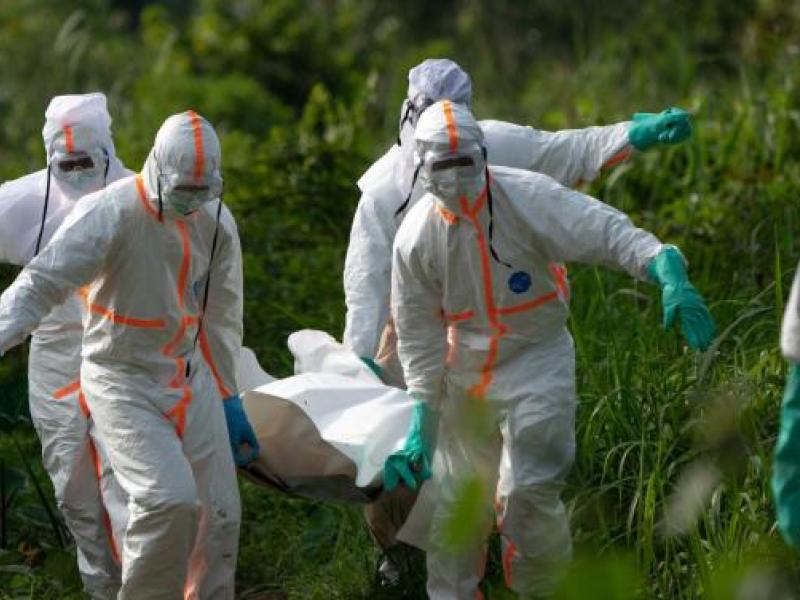
Ebola outbreak in Democratic Republic of Congo: 550 confirmed cases, 101 deaths
- Health
The Ebola virus disease outbreak, specifically the Bundibugyo strain, continues its relentless spread through eastern Democratic Republic of Congo. The latest epidemiological report from the National Institute of Public Health reveals that the provinces of Ituri, North Kivu and South Kivu have now recorded 550 confirmed cases, including 101 fatalities.
As of June 6, 27 new confirmed cases were reported within a 24-hour period, demonstrating ongoing transmission across multiple affected areas. Currently, 283 patients remain hospitalized or in isolation facilities.
Health authorities note a case fatality rate of 17.7% among confirmed cases, while acknowledging that some data is still undergoing verification and harmonization.
Ituri remains the epicenter
Geographical analysis of the outbreak confirms that Ituri province continues to bear the brunt of the health crisis. Of the 25 health zones affected by the epidemic, 17 are located in Ituri—representing nearly half of the province’s 36 total health zones.
The most severely impacted areas include Aru, Aungba, Bambu, Bunia, Damas, Gety, Kilo, Komanda, Lita, Logo, Mambasa, Mangala, Mongbwalu, Nizi, Nyankunde, Rimba and Rwampara.
This widespread geographical distribution indicates persistent viral circulation despite ongoing surveillance and sensitization efforts by response teams.
Active hotspots in North Kivu and South Kivu
Beyond Ituri, several health zones in North Kivu and South Kivu continue to report new cases. Katwa emerges as the primary active focus with 11 confirmed cases and 8 deaths, followed by:
- Beni: 5 confirmed cases, 3 deaths
- Butembo: 4 confirmed cases, 2 deaths
- Miti-Murhesa: 3 confirmed cases, 1 death
- Oïcha: 2 confirmed cases, 2 deaths
- Kalunguta: 1 confirmed case, 1 death
- Kyondo: 1 confirmed case, 0 deaths
- Goma: 1 confirmed case, 0 deaths
Amidst the concerning spread, health teams have reported some positive developments. Three confirmed patients have recently recovered—two discharged from Bunia’s treatment center and one from Katwa’s health zone.
The National Institute of Public Health emphasizes that response operations continue across all affected zones, with particular focus on infection prevention in health facilities, contact tracing and community sensitization.
Health authorities stress that building public trust, early case detection and strict adherence to prevention measures remain critical to breaking transmission chains in the coming weeks.
Reporting from Bunia by Freddy Upar

Mariama Hamani
Analyst
Boureima Amadou
- News
- October 1, 2026
- 54 views
Benin’s $730 million AIIB pipeline: what it means for households, businesses and the economy
Benin Benin’s $730 million AIIB pipeline: what it means for households, businesses and the economy A new $730 million indicative financing pipeline from the Asian Infrastructure Investment Bank (AIIB) for…
- News
- October 1, 2026
- 56 views
What impunity costs Congolese families: the real price of unpunished crimes
Law and justiceDemocratic Republic of Congo What impunity costs Congolese families: the real price of unpunished crimes In the Democratic Republic of Congo, thousands of victims of successive conflicts are…