Mariama Hamani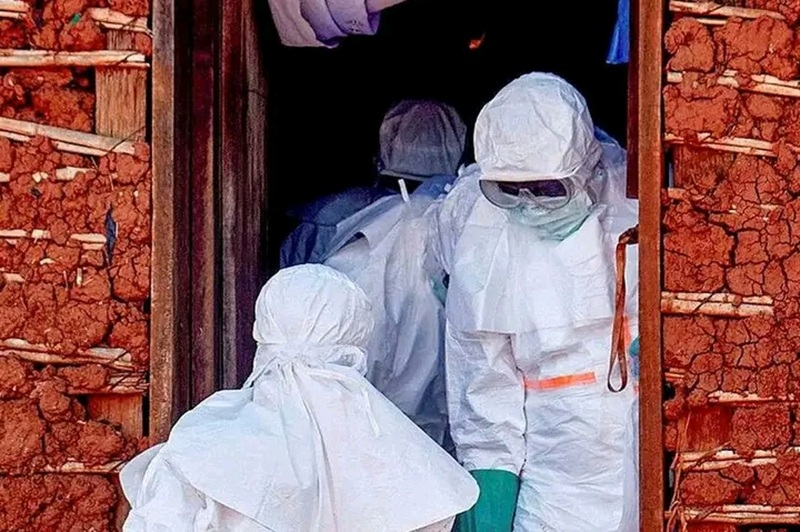
By Héritier Kazadi.
The government of the Democratic Republic of Congo (DRC) announced on Thursday, June 25, 2026, a significant reinforcement of its response measures against Ebola virus disease. This move comes amidst heightened concerns following a recently confirmed case in France involving a humanitarian doctor who had worked in an Ebola-affected zone within the DRC.
In an official statement, the Congolese executive described the situation as a “serious health alert signal,” emphasizing its proactive stance to prevent any potential transmission chain from crossing national borders. Authorities view these enhanced precautions as vital for maximum prevention, aligning with global health security recommendations.
Strict 21-day quarantine for high-risk travelers
A key measure now in effect mandates a compulsory 21-day isolation period for all individuals arriving from Ebola-affected areas. This duration corresponds to the maximum incubation period of the virus.
This quarantine applies to both internal and international travel. Health officials assert that this provision aims to “cut off any possibility of silent spread” and to bolster the monitoring of suspected cases, particularly those who may not immediately display symptoms. The Ministry of Health underscores that this strategy adopts an intensified precautionary approach, acknowledging how international mobility can accelerate the spread of highly infectious diseases.
French doctor’s case sparks immediate action
This decision follows the confirmation by French health authorities of an Ebola case in a doctor who had recently served in an impacted region of the DRC. The patient was immediately isolated upon virus detection, and an epidemiological investigation was launched without delay.
Initial reports indicate that the doctor showed no apparent symptoms during their journey from Ituri province to Kinshasa, prior to departing the country. This scenario highlights the inherent challenges in detecting certain cases during the pre-symptomatic phase, even with existing control mechanisms at entry points. French authorities have activated emergency protocols and initiated contact tracing, assessing the risk to the general population as “low but under surveillance” for now.
DRC-France cooperation and contact tracing
In a spirit of transparency and international coordination, Kinshasa has formally engaged French authorities to share travel data and medical information pertinent to the patient. This collaborative effort seeks to trace all potential contacts on Congolese soil and strengthen the epidemiological follow-up chain. Such cooperation is mandated by the International Health Regulations (IHR), which oblige states to work together in the face of cross-border health threats. The Congolese government stresses the critical importance of rapid and structured information exchange to limit any risk of secondary spread.
Reinforced and multisectoral national response
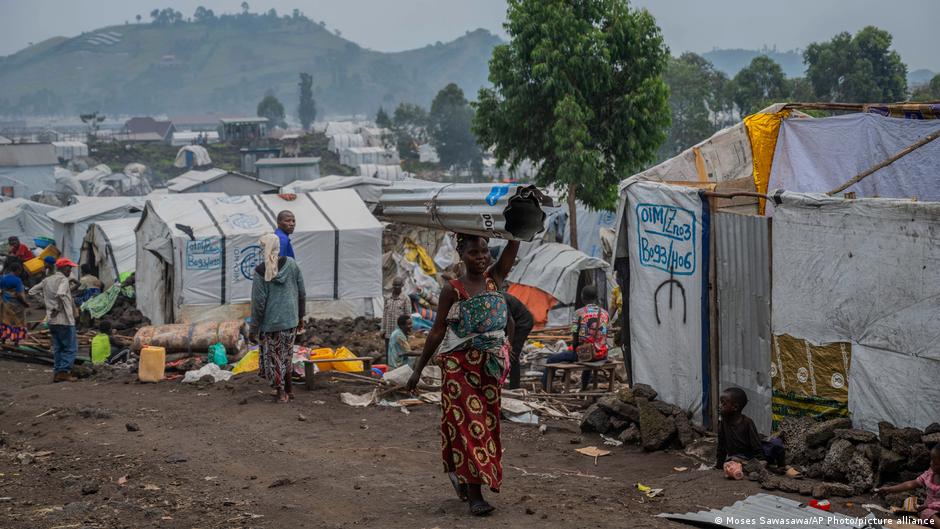
Nationally, health authorities report an intensification of the response in affected areas, particularly in Ituri. Medical teams are actively mobilized to enhance community surveillance, manage suspected cases, and raise awareness among local populations. Strengthened health control measures are also being implemented at strategic transit points, including airports and major transportation routes, to curb uncontrolled movements. Furthermore, the government is urging community leaders, media, and civil society to play an active role in public awareness campaigns, focusing on disease symptoms and preventive practices.
Call for vigilance and international coordination
Congolese authorities reiterate that the fight against Ebola relies significantly on public trust and the prompt reporting of suspected cases. Citizens are urged to avoid stigmatizing those affected and to cooperate fully with health teams. As the World Health Organization continues to closely monitor the evolving situation, the DRC affirms its commitment to maintaining maximum alert and containing any further spread of the epidemic. In this critical context, Kinshasa is banking on a combination of stringent measures, robust international cooperation, and comprehensive community mobilization to durably curb the threat and prevent any dissemination beyond national borders.

 Boureima Amadou