- Santé
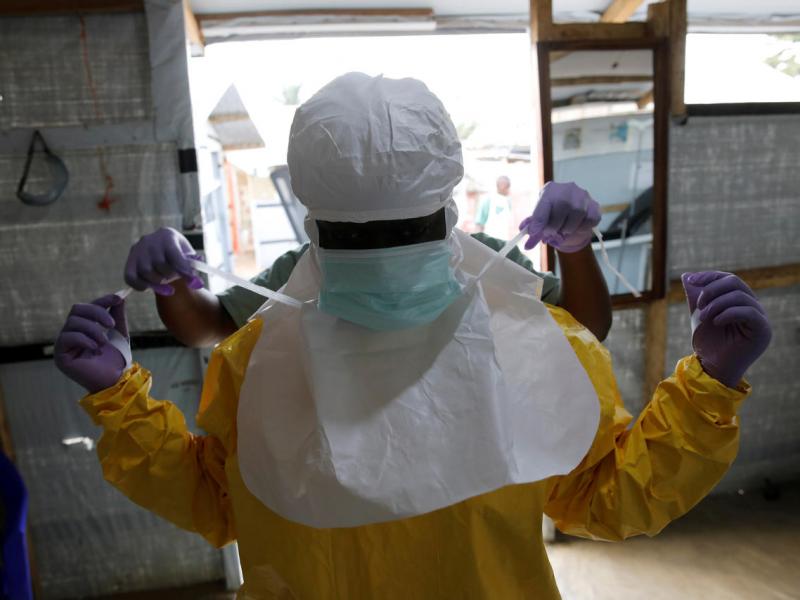
The Democratic Republic of Congo has escalated its containment measures against the 17th Ebola outbreak by enforcing a mandatory 21-day isolation period. This stringent new rule applies to all individuals arriving from regions grappling with the epidemic, requiring them to complete isolation before any further travel within the nation or internationally. The government announced this decision on Wednesday, June 24, 2026, emphasizing its crucial role in strengthening the overall response to the ongoing health crisis.
Officials stated that this initiative is designed to bolster existing public health protocols, mitigate the risk of wider transmission, and ensure meticulous management of anyone potentially exposed to the virus.
This decisive action by the Congolese government follows the confirmation of an Ebola virus case in France. Medical non-governmental organization ALIMA corroborated this information, revealing that one of its humanitarian doctors tested positive for Ebola after returning to France from a mission in an epidemic-affected area within the Democratic Republic of Congo.
The government reiterated its unwavering commitment to safeguarding its citizens and providing robust support to frontline medical teams. It pledged to conduct the response with utmost responsibility, transparency, and scientific precision, working alongside all partners to implement every necessary measure to protect Congolese people and affected communities across the nation, as well as within the framework of international health cooperation.
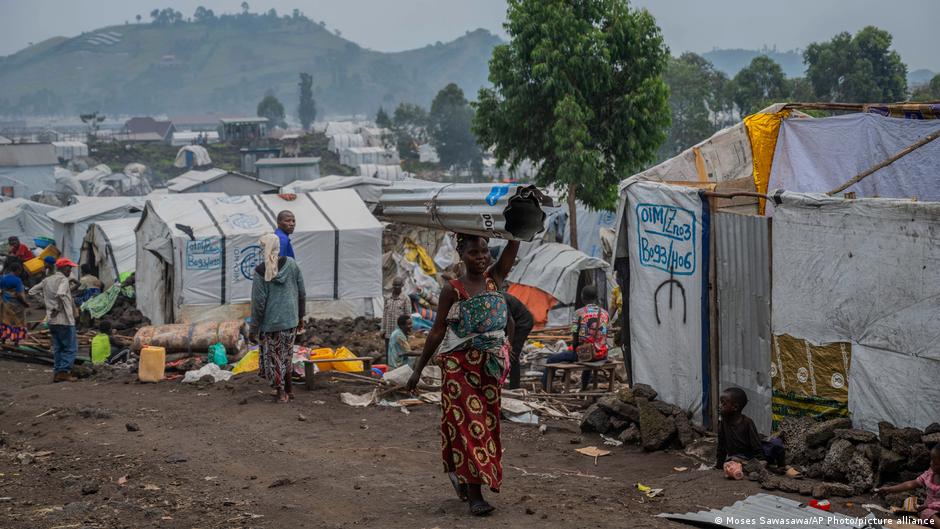
The implementation of this measure comes as the toll from the Bundibugyo Ebola epidemic in the DRC continues to mount. According to the situational report released on Wednesday, June 24, 2026, covering data up to Tuesday, June 23, the outbreak has recorded 1,118 confirmed cases and 291 fatalities since its onset, resulting in a lethality rate of 26%. The virus has now spread across 34 health zones in three provinces: Ituri, identified as the epicenter with 22 affected zones; Nord-Kivu, under close monitoring with 11 zones; and Sud-Kivu, which has reported 3 confirmed cases and one death.
Operationally, the Ministry of Public Health, Hygiene, and Social Welfare reported that 408 patients are currently undergoing isolation or hospitalization, with a total of 122 recoveries noted. The contact tracing rate stands at 77.1% for 8,346 individuals under surveillance. While authorities acknowledge this active surveillance, they also indicate that it remains insufficient to meet the established operational targets.
On May 17, just two days after the official declaration of the epidemic in the Democratic Republic of Congo, the World Health Organization (WHO) classified the Ebola outbreak, caused by the Bundibugyo strain and subsequently spreading to Uganda, as a Public Health Emergency of International Concern (PHEIC).
The WHO highlighted that the epidemic has seen geographical expansion and its true scope might be underestimated. Compounding the situation are factors such as high population mobility, fragile healthcare systems, inadequate health infrastructure, challenges in accessing conflict-affected zones, and the absence of a specific vaccine or treatment for this particular strain of the virus.
Despite these significant challenges, authorities in the Democratic Republic of Congo maintain a reassuring stance, dismissing any alarmist narratives. They underscore the extensive efforts undertaken in collaboration with both national and international partners to contain the epidemic. They also draw attention to the nation’s considerable experience in managing health crises, having successfully brought 16 prior Ebola outbreaks under control through robust response operations.

Boureima Amadou
Journalist
Boureima Amadou
- News
- October 1, 2026
- 58 views
Benin’s $730 million AIIB pipeline: what it means for households, businesses and the economy
Benin Benin’s $730 million AIIB pipeline: what it means for households, businesses and the economy A new $730 million indicative financing pipeline from the Asian Infrastructure Investment Bank (AIIB) for…
- News
- October 1, 2026
- 60 views
What impunity costs Congolese families: the real price of unpunished crimes
Law and justiceDemocratic Republic of Congo What impunity costs Congolese families: the real price of unpunished crimes In the Democratic Republic of Congo, thousands of victims of successive conflicts are…