
 Boureima Amadou
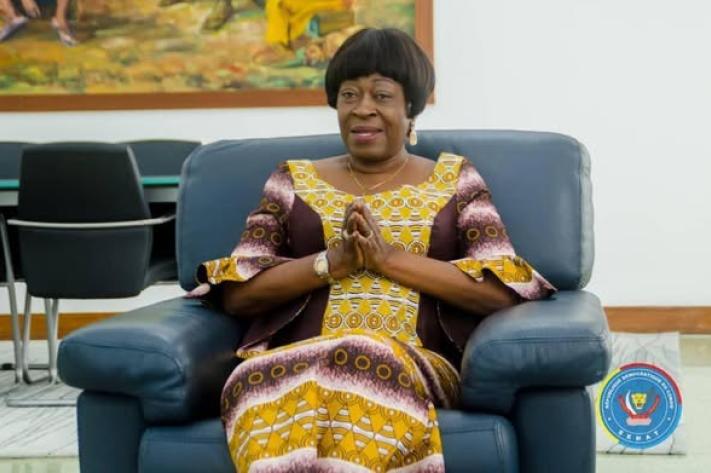
The Democratic Republic of Congo has made a decisive strategic U-turn in the race for the Secretary-General of the International Organisation of La Francophonie (OIF). In a bold announcement that marks a turning point in the leadership contest, Kinshasa has withdrawn its candidate, Juliana Amato Lumumba, and thrown its weight behind a unified candidacy.
Breaking point leads to breakthrough consensus
On the heels of mounting diplomatic tensions surrounding the OIF selection process, the Congolese authorities have taken a historic step. In an official statement released this past Saturday, the Ministry of Foreign Affairs, International Cooperation, Francophonie and Congolese Diaspora declared its readiness to step back from the leadership race.
The decision follows intense behind-the-scenes negotiations and reflects a clear shift in Kinshasa’s positioning. While firmly affirming Juliana Lumumba’s strong credentials and experience, the government underscored that the move was driven by a higher responsibility—to restore harmony and foster a spirit of compromise among member states.
Building a united front for a common candidate
The Democratic Republic of Congo is now rallying behind a potential consensus candidate: former Romanian Prime Minister Dacian Cioloș. This unexpected alliance between Kinshasa and Bucharest signals a major diplomatic realignment and could redefine the balance of power within the Francophonie.
In its communiqué, the Congolese government highlighted the success of bilateral consultations with Romania, which paved the way for a joint endorsement. The move underscores a shared commitment to shifting from confrontation to collaboration, prioritizing collective unity over individual ambition.
« This decision reflects our deep commitment to strengthening the cohesion and effectiveness of the Francophonie, » the statement reads. It further emphasizes that the success of this initiative depends on reciprocity—other candidates and their supporters are urged to demonstrate similar flexibility if a truly inclusive solution is to be achieved.
Why this moment could reshape the OIF landscape
The withdrawal of the DRC’s bid and its pivot toward a unified candidacy could signal the beginning of the end for the current deadlock. By aligning behind a single, widely respected figure like Cioloș, Kinshasa is not only reinforcing its diplomatic influence but also advocating for a more stable and predictable leadership transition.
Analysts suggest that this bold diplomatic maneuver may prompt other countries to reconsider their strategies, potentially accelerating the emergence of a consensus figure. The emphasis on compromise and regional solidarity could set a precedent for future leadership contests within the Francophonie, reinforcing its role as a unifying global platform.
As the international community watches closely, all eyes are on the upcoming ministerial conference. Will this rapprochement between Kinshasa and Bucharest serve as a catalyst for broader agreement? The answer may well determine the future direction of the OIF—and the political influence of its member states for years to come.



 Mariama Hamani



