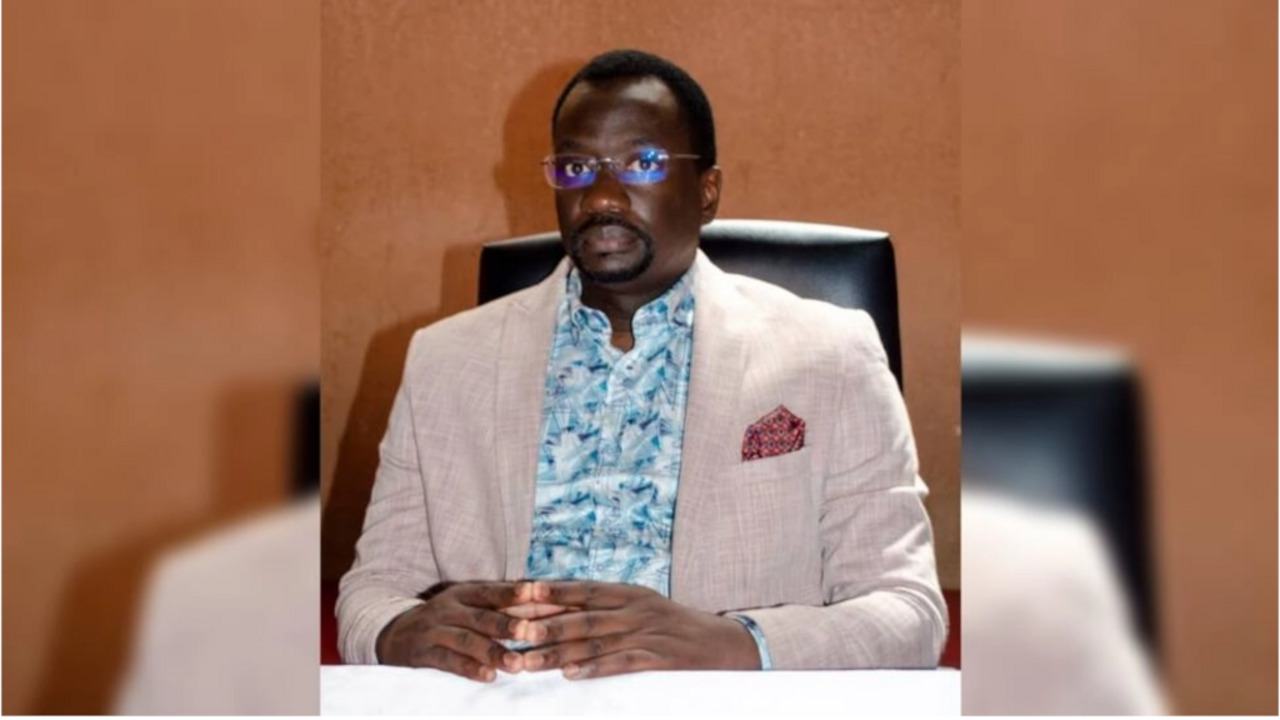
Boureima Amadou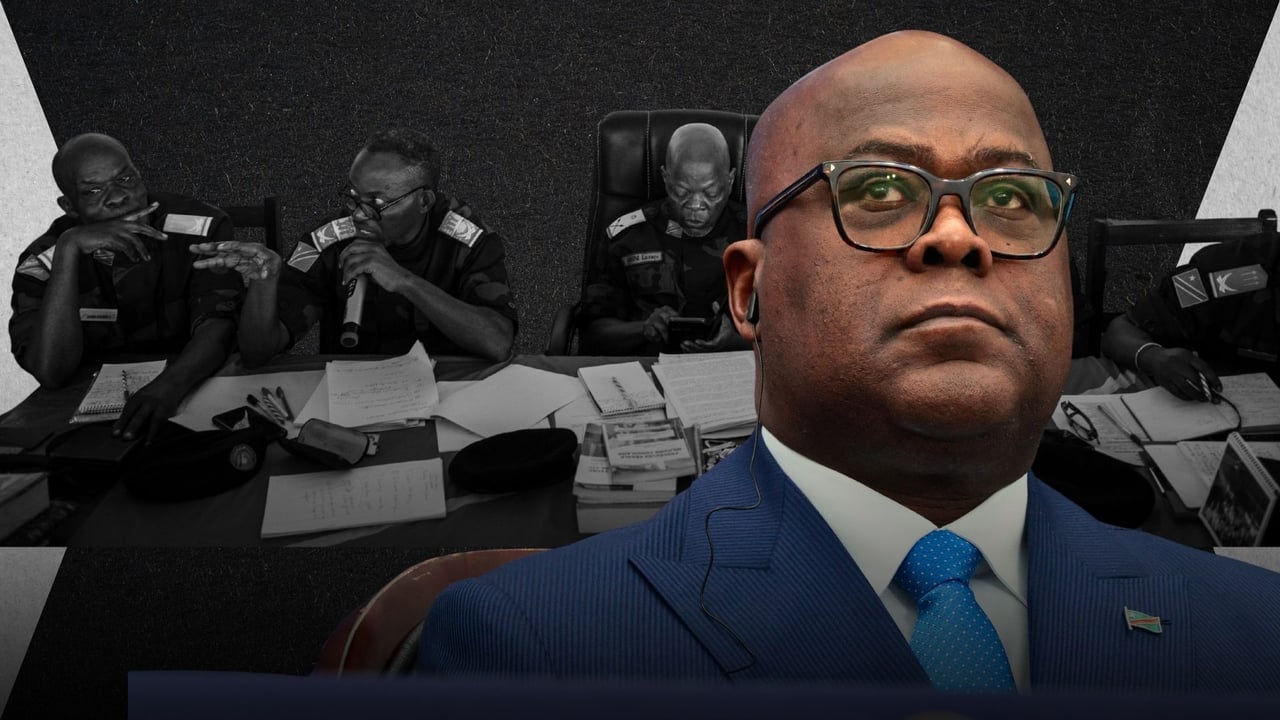
Reintroduction of capital punishment divides opinion in Democratic Republic of Congo
In recent legislative moves, the Democratic Republic of Congo (DRC) has reignited discussions surrounding the reinstatement of the death penalty. The proposal has drawn sharp contrasts between proponents of stricter justice measures and advocates for human rights reforms.
Legal and political context
The debate emerges amid broader discussions on governance and national security. Some political figures argue that reintroducing capital punishment would serve as a deterrent against violent crimes, including armed robbery, kidnapping, and acts of terrorism that have plagued parts of the country in recent years. Others, however, caution that such measures could undermine the nation’s commitment to international human rights standards.
Public and expert reactions
Public opinion remains deeply split. While certain communities express support for harsh penalties as a means of restoring order, human rights organizations warn of potential abuses and irreversible consequences. Legal experts highlight the procedural challenges and ethical dilemmas associated with capital punishment, particularly in a judicial system still grappling with transparency issues.
Key concerns include:
- Potential for wrongful convictions in a system with limited forensic and investigative resources;
- Impact on international relations and aid agreements tied to human rights compliance;
- Moral and ethical implications of state-sanctioned execution.
Historical precedents
The DRC last enforced the death penalty in the 1980s, during the regime of former President Laurent-Désiré Kabila. Since then, moratoriums and legal reforms have kept executions at bay, though the law has technically remained on the books. Current President Félix Tshisekedi faces pressure from both sides: security advocates urging action and rights groups demanding restraint.
What happens next?
Parliament is expected to review the proposal in upcoming sessions. The outcome could reshape the country’s criminal justice framework and influence its standing on the African and global stage. As discussions intensify, the nation remains at a crossroads between demands for security and the preservation of fundamental rights.