Mariama Hamani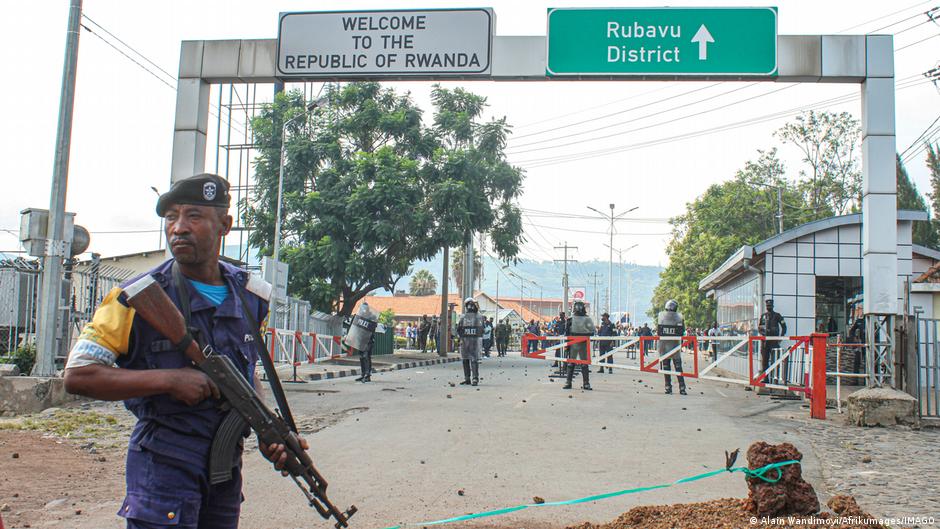
cross-border trade disruption as Rwanda-democratic republic of Congo border closes
The closure of border crossings between Goma in the Democratic Republic of Congo and Gisenyi in Rwanda has left local traders facing severe economic hardship.
Jacques Safari has spent years hawking eggs along the streets of Goma, just a few kilometers from the Democratic Republic of Congo’s border with Rwanda. Since border crossings were shut down, his daily earnings have plummeted.
“My income has dropped sharply. Before the closure, I used to sell five trays of eggs every day. Now I’m lucky to move two. The drop is largely due to the economic squeeze caused by the border shutdown—most of my customers were travelers crossing between the two cities”, he explains.
supply chain disruptions deepen
Wholesalers in Goma’s Birere market are also feeling the pinch. They say restocking goods from the Rwandan side has become nearly impossible, and even securing local buyers has grown difficult as cash flows slow to a trickle.
“Before, we crossed freely to buy stock. Now the process is impossible. Even finding customers is a struggle because money just isn’t circulating the way it used to”, says Hamuli Kasilembo, a wholesale trader.
what economists warn is coming
Economic analysts had predicted the fallout from Rwanda’s border closure, noting that the flow of goods and people between Goma and Gisenyi underpins the economies of both cities. Many traders rely on these exchanges for their livelihoods.
Economist Alphonse Muanda points out that “small-scale traders bear the brunt when borders close. Many earn daily wages and depend entirely on cross-border trade. Others bulk-buy essentials like rice, soap, and household goods in Gisenyi”.
Rwandan authorities cited health concerns—specifically efforts to curb the spread of Ebola—as the reason for the shutdown. With the closure still in effect, residents of Goma fear worsening poverty in the weeks ahead.

 Boureima Amadou