
 Boureima Amadou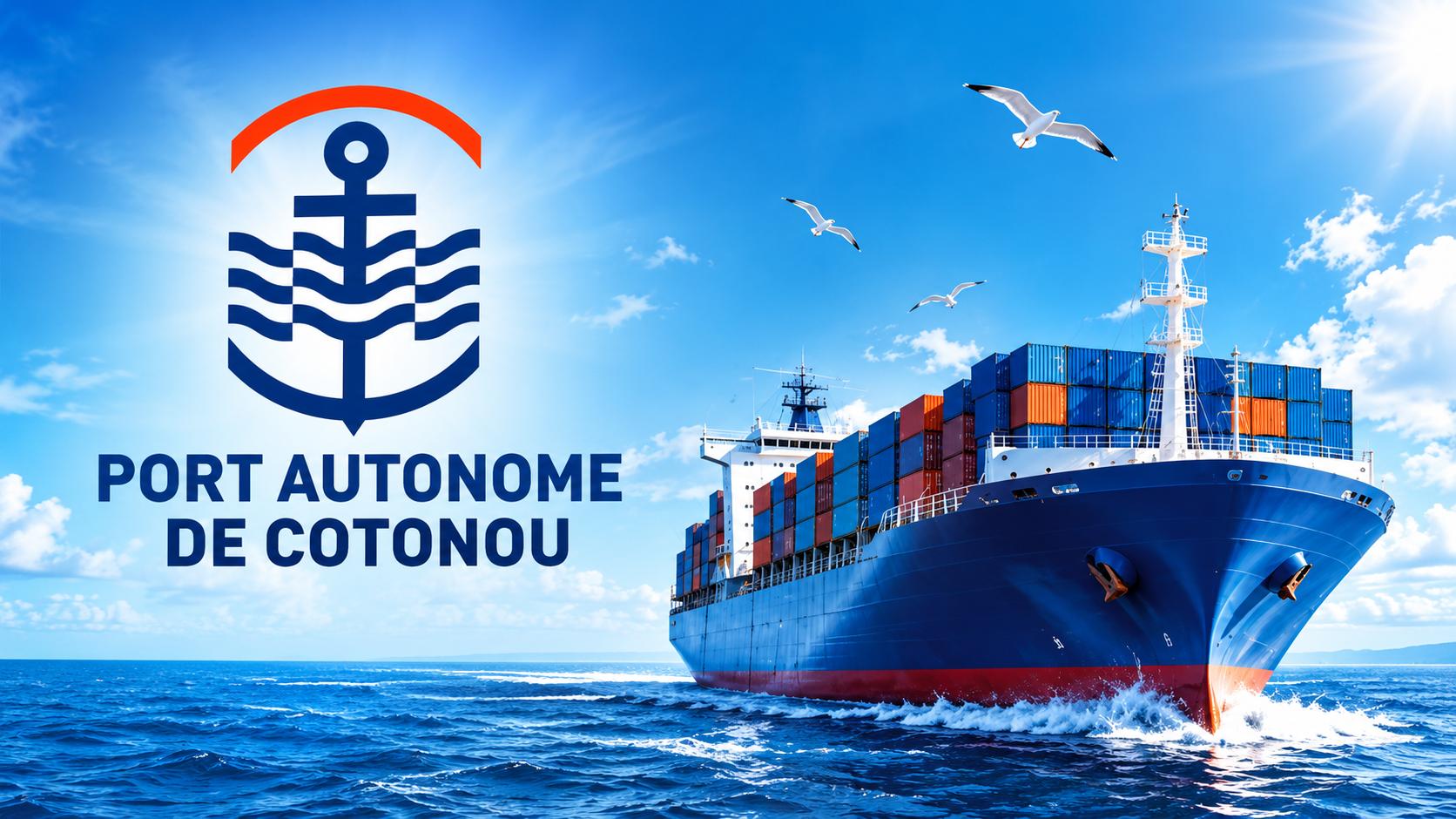
As West African ports grapple with crippling congestion, the port of Cotonou stands out with a game-changing container retrieval time of just 36 to 72 hours. While neighboring hubs struggle under wait times stretching from six weeks to two months, Benin’s key maritime gateway is rewriting the rules of regional logistics.
How Cotonou maintains its edge in a congested market
In a subregion where some ports are operating at 200% to 250% capacity—dwarfing Cotonou’s near 100% saturation—efficiency has become the port’s defining advantage. According to recent operational data, vessels at Cotonou avoid the multi-week delays plaguing competitors, where ships can remain stranded offshore for a month without cargo access.
« Our system ensures we maintain momentum even under pressure, » stated Charles Bennett Fayomi, Director of Port Operations and Safety, during a recent briefing. His remarks highlight how targeted operational strategies keep the port’s throughput flowing despite regional bottlenecks.
Cotonou as a logistical relief valve
Ironically, this performance emerges amid ongoing expansion works at the port. By absorbing diverted freight from overstretched West African terminals, Cotonou has become a critical alternative for traders seeking faster, more predictable cargo handling. The strategy not only eases pressure on neighboring ports but also reinforces Benin’s role as a logistics hub.
Cost stability in a high-volume environment
Despite rising cargo volumes, the Port Autonome de Cotonou (PAC) has kept ancillary fees and delay-related penalties among the lowest in the region. This cost consistency shields operators from unpredictable expenses, bolstering the port’s appeal for West African businesses navigating a volatile logistics landscape.
A regional anomaly worth emulating?
The contrast between Cotonou’s 36-72 hour turnaround and its neighbors’ multi-week waits raises a key question: Can other West African ports replicate this model? For now, Cotonou’s track record offers a compelling blueprint for balancing expansion with operational efficiency in a crisis.



 Mariama Hamani


