Boureima Amadou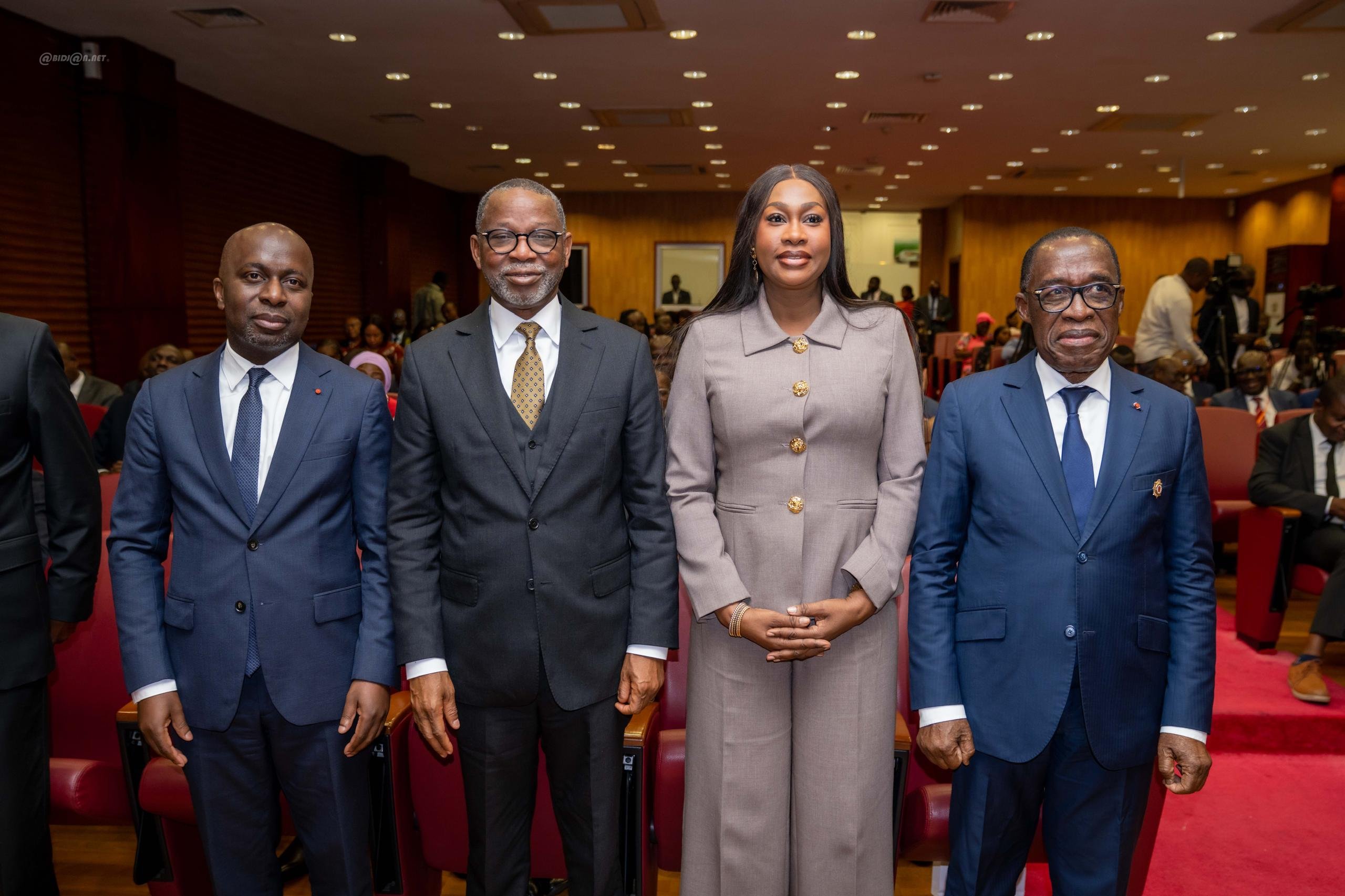
Groundbreaking study bridges youth skills with market demands
The National Agency for Professional Training (AGEFOP) unveiled a groundbreaking study report in Abidjan that maps out real-time skills needs across Côte d’Ivoire’s economy. The presentation, held on June 18, 2026, marks a pivotal step in the Passeport-Compétences initiative—a national program designed to align youth competencies with actual labor market requirements.
Conducted in three strategic zones—Sud-Comoé, Yopougon, and the Savanes District—the pilot phase engaged over 800 formal and informal sector entities. The study’s findings will soon inform nationwide deployment, ensuring training programs meet precise economic demands.
Leadership hails initiative as transformative
Dr. Eugène Aka Aouélé, President of the Economic, Social, Environmental, and Cultural Council (CESEC), emphasized the study’s role in eliminating mismatches between education and employment. “Systematic skill alignment isn’t theoretical—it’s built on hard data,” he stated. “This initiative prioritizes human capital as Côte d’Ivoire’s engine for progress. The report serves as both a diagnostic tool and a compass for future policies, ensuring our workforce remains competitive and our youth gainful.”
Highlighting President Alassane Ouattara’s longstanding focus on youth employability, Dr. Aouélé called the Passeport-Compétences program a tangible solution to one of the nation’s most pressing challenges. “Beyond training, this program validates experience. For CESEC, it’s a milestone in recognizing human potential,” he added.
Government reaffirms commitment to skilled workforce
Maître Adama Kamara, Minister of Employment, Social Protection, and Vocational Training, framed the program as an accelerator of growth, not a corrective measure. “Our goal is to translate economic expansion into skilled employment opportunities,” he explained. The initiative will:
- Identify nationwide skill gaps through field assessments
- Train and integrate beneficiaries into the formal economy
- Certify informal sector workers via experience validation
- Align training curricula with employer needs
- Direct resources toward high-demand sectors and regions
- Strengthen partnerships between businesses, local authorities, and state services
“Field feedback will drive curriculum revisions, ensuring our workforce evolves with market realities,” Kamara noted.
AGEFOP champions strategic investment in human capital
Karitia Coulibaly De Medeiros, AGEFOP’s Director-General, underscored the paradigm shift in vocational training. “No longer a social expenditure, professional development is now a strategic investment for national competitiveness, job creation, and sustainable prosperity,” she asserted. “The Passeport-Compétences redefines how we link training, territories, and the economy.”
She explained the program’s core principle: “Effective training starts with understanding the exact skills a region, business, or industry needs—today and tomorrow. By listening to employers, analyzing job mutations, and anticipating future demands, we ensure our programs deliver lasting value.”
“This initiative creates a shared language among businesses, local governments, training institutions, and citizens,” De Medeiros concluded. “It transforms competence into a strategic asset for the nation, empowering every Ivorian to turn potential into recognized skills and economic autonomy.”
The Passeport-Compétences program, launched in March 2025 in Grand-Bassam, is central to Côte d’Ivoire’s human capital development strategy. Its mission: to equip populations with the skills needed for sustainable employment and economic dignity.