Mariama Hamani
Controversial arrest of influential imam mohamad ishaq kindo in Ouagadougou
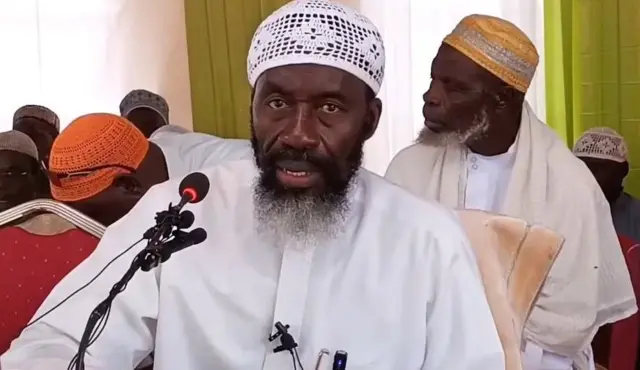
Photo credit: YouTube screenshot
-
-
Reading time: 5 min
The arrest of a prominent religious figure has sent shockwaves through Burkina Faso. Influential Sunni imam and preacher Mohamad Ishaq Kindo was detained in Ouagadougou on Tuesday, May 26, by plainclothes security forces—comprising both police and masked military personnel—and taken to an undisclosed location. The arrest occurred just two days after he publicly criticized the newly adopted religious freedoms bill passed on March 19, according to close associates and a leading Muslim organization.
In a statement released hours after the incident, the Federation of Islamic Associations of Burkina Faso (FAIB)—to which Kindo is closely linked—confirmed his detention “under circumstances where the motives remain officially undisclosed.” The organization also revealed it had “initiated necessary steps with competent authorities to secure precise information and favorable outcomes.”
Violent arrest details emerge
A close associate who witnessed the operation described it as occurring around 2:00 PM local time, the day before the major Muslim festival of Eid al-Adha. The intervention involved “security elements, including police and hooded soldiers,” the witness reported.
“It was violent—fellow worshippers attempted to intervene, escalating tensions at the scene,” the associate stated. Another contact confirmed that “several Muslim worshippers were injured during the arrest.”
Two days prior, a recording of Kindo’s teaching had circulated widely on social media, where he condemned the March adoption of a bill regulating religious freedoms in Burkina Faso. He urged authorities to “reflect more deeply on the implications of their actions before proceeding.” Among his remarks: “Let everyone beware and refrain from attempting to ban prayers in public spaces. Whether you are a leader or in power, you possess neither the strength nor the authority of God.”
Mass protests erupt in support of detained imam
Public outrage over the imam’s detention was immediate. Within hours, hundreds of demonstrators gathered in Ouagadougou, demanding his release, witnesses said.
Protesters were met with tear gas dispersal, according to one participant contacted directly.
The FAIB called on “all Muslim faithful to remain calm, measured, and peaceful” in response to growing tensions.
No official statement on Kindo’s detention
The day after the arrest, coinciding with Eid al-Adha celebrations, calm appeared to return to the community, though all eyes remain on the case.
Following his Tabaski prayer, Burkina Faso’s President addressed the nation on social media. While honoring security forces battling jihadist insurgencies, the Head of State warned enemies of the nation against any attempt to undermine morale among troops or disrupt the country’s progress.
“Anyone taking such a position must be prepared to face full responsibility and all resulting consequences,” he declared. As of now, there has been no official statement regarding Kindo’s detention.
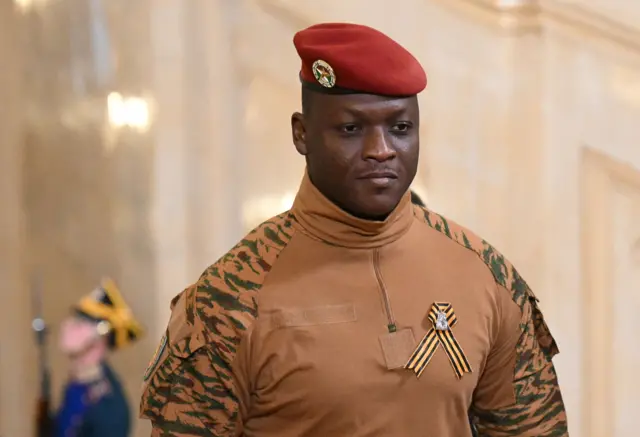
Photo credit: Reuters
New religious freedom law under scrutiny
The controversial bill that sparked Kindo’s criticism was adopted by the Council of Ministers on March 19. Designed to regulate religious practices and curb online extremism, hate speech, and incitement to violence, the law has drawn mixed reactions.
Mariem Sanogo, Director General of Religious, Customary, and Traditional Affairs, defended the updated law, stating it was revised “in response to rising radicalism and violent extremism,” as well as “hateful and disrespectful online discourse.” Authorities say the law aims to restore national cohesion by addressing these challenges.
Under the new legislation, public institutions—except for health facilities, prisons, and military barracks—are prohibited from hosting places of worship. The state, citing limited capacity to accommodate all faiths equally in public buildings, has opted for a blanket ban rather than selective provision. Importantly, the law does not ban prayer in public spaces, as long as it respects others’ beliefs.
Since the military-led government of Captain Ibrahim Traoré assumed power nearly four years ago, several vocal critics have disappeared. Authorities justify their crackdowns by citing the ongoing fight against jihadist groups that have plagued much of the country for over a decade.
The Burkina Faso government operates under a stated commitment to secularism, ensuring equal treatment of all religious denominations.

 Boureima Amadou