
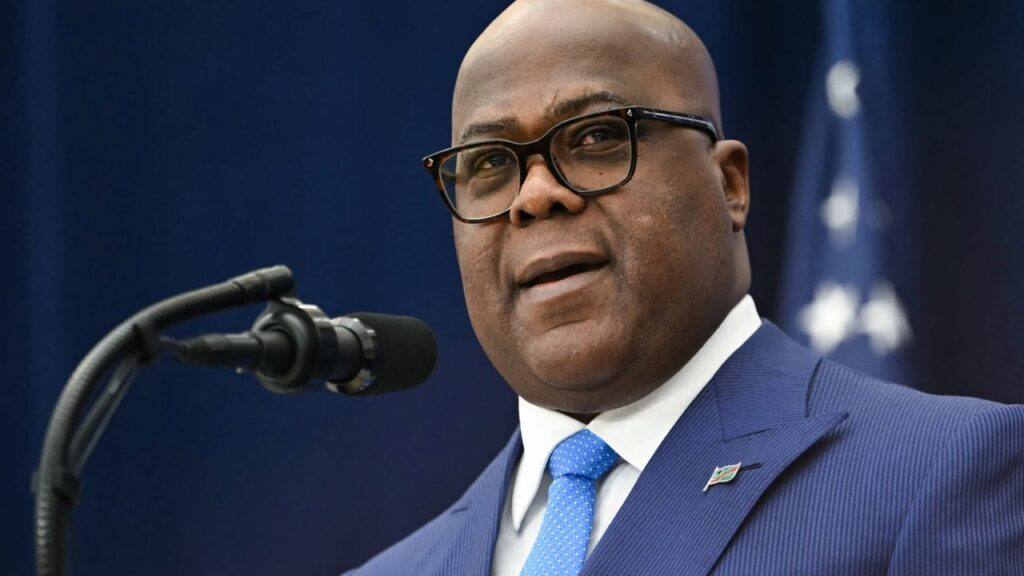
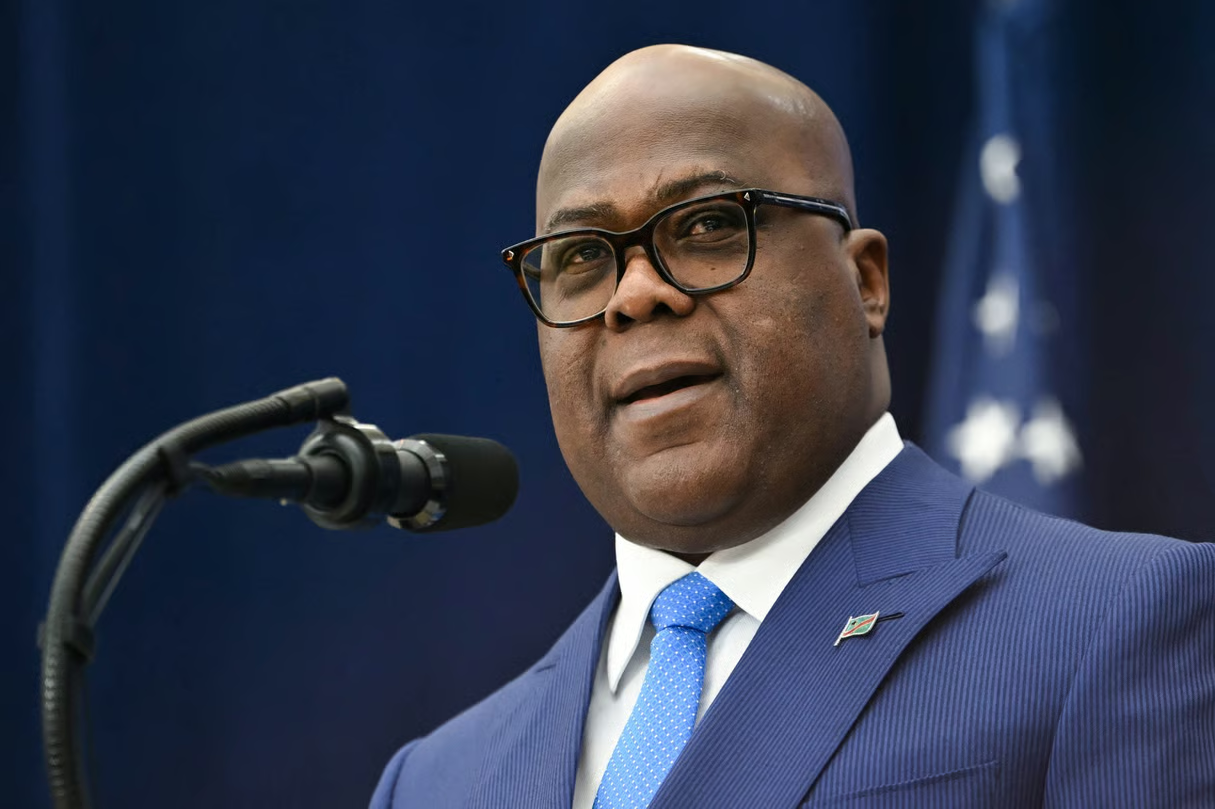
The Constitutional Court of the Democratic Republic of the Congo has officially endorsed legislation enabling President Félix Tshisekedi to seek a third term in office, a decision that has intensified political debates across the nation.
Constitutional approval paves way for controversial reelection bid
The ruling, delivered by the highest judicial authority in the DRC, declares the amendments to the electoral framework constitutionally valid. This endorsement means the incumbent leader can now legally contest the next presidential election, sparking sharp reactions from opposition groups and civil society.
The decision comes after months of legal challenges and public protests, with critics arguing that the amendments circumvent constitutional term limits designed to ensure democratic rotation of power. Supporters, however, contend that the changes reflect the will of the people and align with the president’s reform agenda.
Political fallout and public response intensify
The court’s verdict has ignited a wave of demonstrations in major cities, where demonstrators have voiced their opposition to what they perceive as an erosion of democratic norms. Security forces have responded with heightened presence in urban centers, raising concerns about potential unrest.
Meanwhile, international observers are closely monitoring the situation, with some diplomatic missions already expressing reservations about the long-term stability of the electoral process. The DRC’s political landscape remains deeply divided, with factions lining up both for and against the president’s bid for another term.
What’s next for the DRC’s political future?
With the legal hurdles cleared, the focus now shifts to the electoral commission’s preparations for the upcoming vote. Analysts suggest that the campaign period will be marked by heightened tensions, as opposition leaders vow to challenge the legitimacy of the process at every turn. The international community’s stance could play a critical role in shaping the outcome, particularly if concerns over fairness and transparency persist.
The president’s supporters remain confident, citing recent economic and infrastructure gains as proof of his leadership’s effectiveness. Critics, however, warn that a third term could undermine institutional checks and balances, further destabilizing a country still grappling with decades of conflict and governance challenges.
As the nation braces for what promises to be a contentious electoral cycle, all eyes will be on the DRC’s ability to navigate this pivotal moment while preserving its democratic foundations.


More Stories
Cameroun man sentenced to 6 months for insulting president paul biya
Cameroon man sentenced to six months for insulting paul biya
Constitutional court clears path for third term for president tshisekedi