Mariama Hamani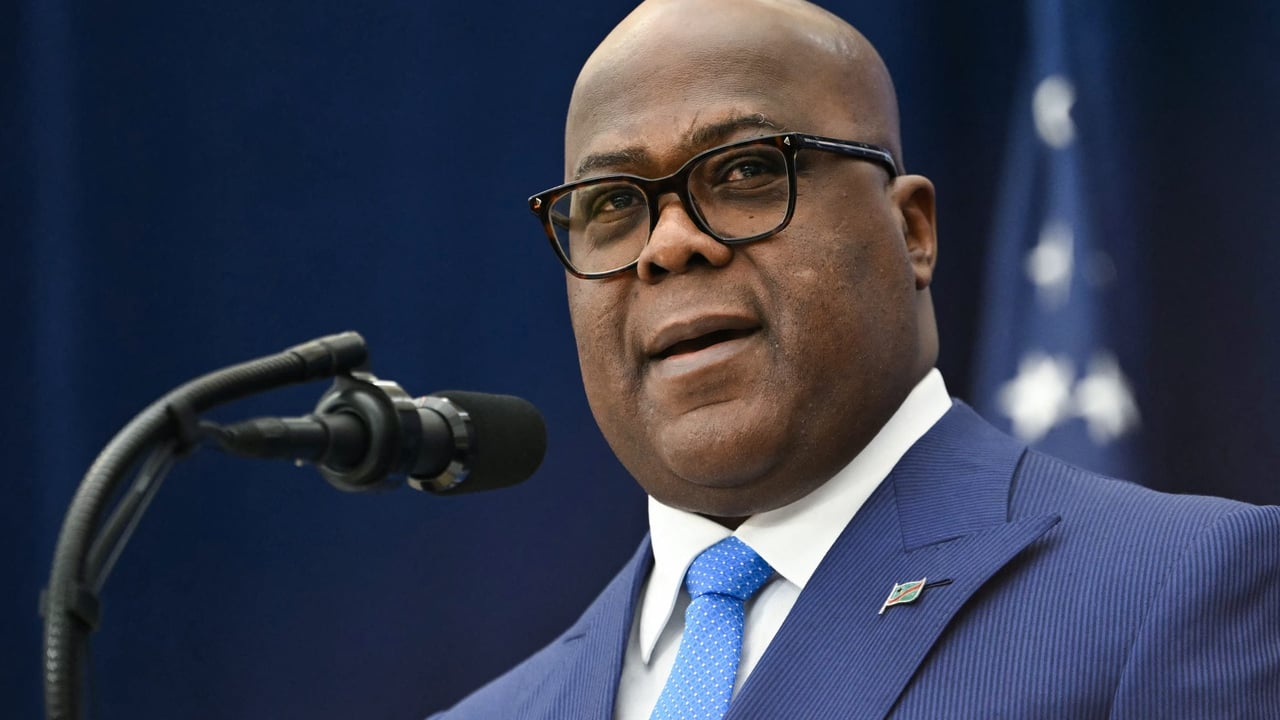
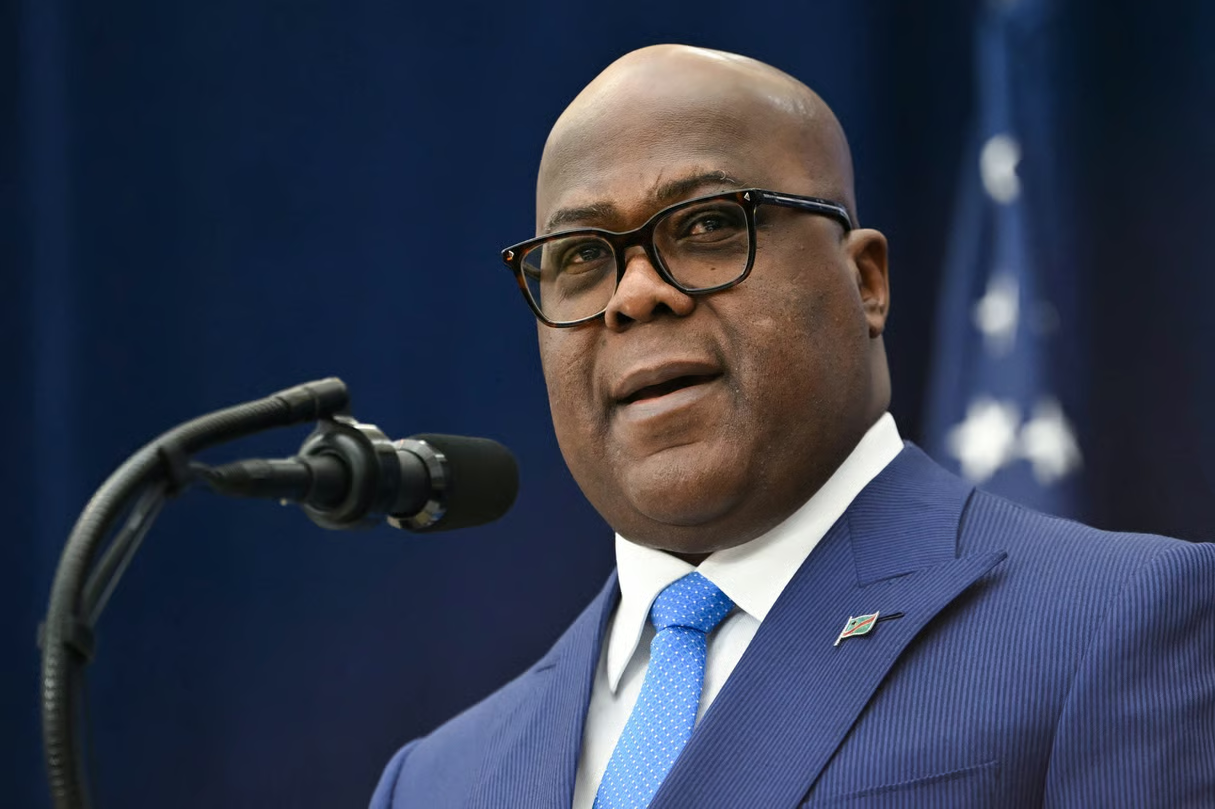
The Democratic Republic of the Congo’s Constitutional Court has delivered a landmark ruling, paving the way for President Félix Tshisekedi to seek a third term in office. The decision, announced today, marks a significant shift in the country’s political landscape and raises questions about the future of governance in the DRC.
Constitutional endorsement of contested reforms
In a unanimous vote, the nine-member bench of the Supreme Court upheld amendments to the electoral law, which opponents argue were pushed through to facilitate Tshisekedi’s reelection ambitions. The ruling effectively removes the two-term limit previously enshrined in the constitution, clearing the legal hurdles for his potential candidacy in the upcoming election.
Legal experts note that the decision sets a precedent with far-reaching implications for the DRC’s democratic institutions. “The court’s ruling underscores the delicate balance between constitutional interpretation and political maneuvering,” commented a constitutional lawyer familiar with the case. The judgment arrives amid heightened scrutiny of the judiciary’s independence and its role in shaping the nation’s political trajectory.
Reactions from civil society and opposition
Civil society organizations have swiftly condemned the ruling, describing it as a setback for democratic principles. Protests erupted in several major cities, with activists denouncing what they call a “constitutional coup” orchestrated to extend Tshisekedi’s grip on power. Opposition figures have vowed to challenge the decision through every available legal and political avenue, warning that it could ignite broader unrest.
“This is not just about one man’s political ambitions—it’s about the soul of our democracy,” declared a spokesperson for a leading opposition coalition. Meanwhile, government supporters have hailed the ruling as a necessary step to maintain stability and continuity in leadership.
International implications and regional concerns
The DRC’s political developments are being closely watched across the continent. Neighboring nations and international observers have expressed concerns over the potential erosion of democratic norms. Diplomats from the African Union and regional blocs have called for restraint, urging all stakeholders to prioritize dialogue and adherence to constitutional processes.
The decision also raises questions about the credibility of future elections in the DRC. Election monitors and human rights groups have raised alarms over the transparency of the electoral process, particularly in light of the recent legal changes. “Without robust safeguards, the integrity of the vote could be severely compromised,” warned an election watchdog representative.
What happens next?
With the legal pathway now open, attention turns to the electoral commission’s preparations for the vote. The commission has announced a tentative timeline, though skepticism remains about its ability to conduct a free and fair election under current conditions. Political analysts suggest that the coming months will be critical in determining whether the DRC can navigate this constitutional crossroads without further destabilization.
For now, Félix Tshisekedi remains at the center of the storm, with supporters celebrating the court’s decision and opponents gearing up for a prolonged battle. The nation holds its breath as the political drama unfolds.


 Boureima Amadou