Mariama Hamani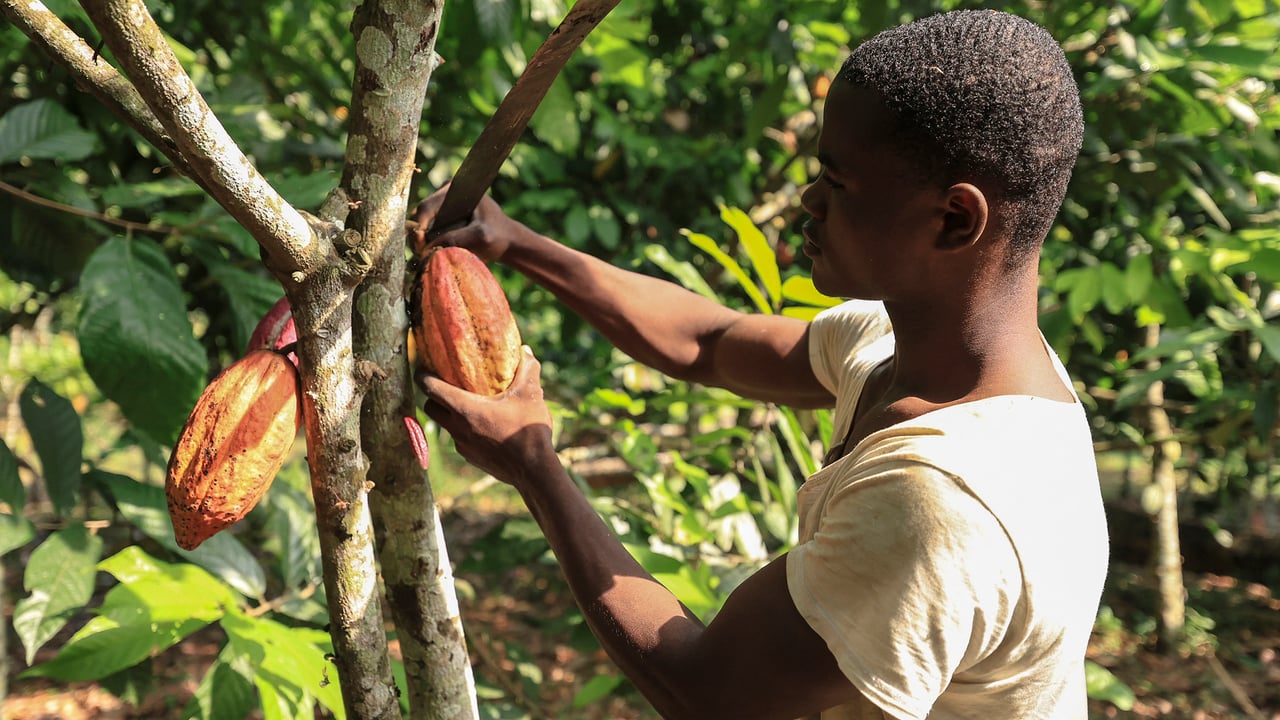

In the heart of Ebebda’s lush landscapes, cocoa farmers are navigating turbulent times as they chase stability and profitability in Cameroon’s agricultural sector. The challenges they face—ranging from fluctuating global prices to unpredictable weather patterns—have pushed many to rethink their strategies for survival and growth.
Rising costs and shrinking margins
The past year has been unforgiving for cocoa producers in Cameroon. Input costs, including fertilizers and pesticides, have surged, while the prices offered by middlemen remain stubbornly low. This imbalance has left many farmers struggling to break even, forcing some to abandon their plots in search of alternative livelihoods.
Small-scale farmers, who dominate the sector, are particularly vulnerable. Without access to modern farming techniques or financial support, their ability to compete in the global market is severely limited. Government initiatives aimed at boosting productivity have yet to yield tangible results, leaving producers in limbo.
Climate change: a growing threat
Unpredictable weather has become a constant concern for Cameroonian cocoa growers. Erratic rainfall and prolonged dry spells have disrupted planting cycles, reducing yields and quality. Farmers report that traditional knowledge—once reliable—no longer holds, as seasons shift unpredictably.
The consequences are dire: lower income, food insecurity, and a decline in Cameroon’s once-thriving cocoa exports. Without urgent action, the future of the industry—and the livelihoods it supports—hangs in the balance.
Hope on the horizon?
Despite the gloomy outlook, pockets of optimism persist. Some cooperatives are experimenting with organic farming, tapping into niche markets willing to pay premium prices. Others are diversifying crops, integrating food staples like cassava and plantains to cushion against cocoa’s volatility.
Efforts to improve infrastructure, such as better road networks to transport produce to markets, are slowly gaining traction. Local leaders and agricultural experts are advocating for policies that prioritize farmer welfare, including fair pricing and access to credit.
The road ahead remains steep, but for Cameroon’s cocoa farmers, the pursuit of brighter days continues—one harvest at a time.

 Boureima Amadou