Boureima Amadou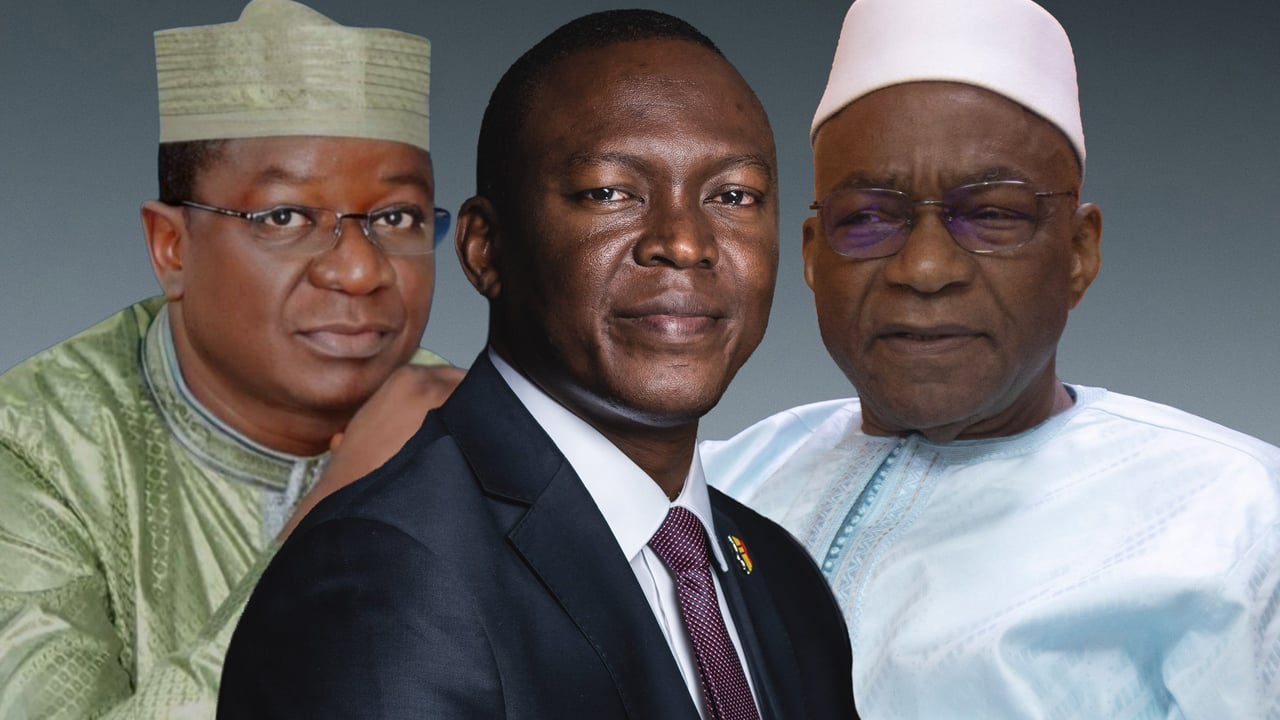

The political landscape in Chad remains tightly controlled as opposition figures grapple with relentless repression and deep-seated divisions. Under the leadership of Mahamat Idriss Déby Itno, the transitional government continues to face criticism for its restrictive policies and crackdowns on dissent.
Key opposition leaders, including Albert Pahimi Padacké, Succès Masra, and Saleh Kebzabo, have found their influence severely diminished. Their movements are frequently disrupted, and public gatherings are met with heavy security measures. Despite their efforts to mobilize support, the opposition appears increasingly fragmented, hampering any cohesive challenge to the current administration.
Crackdowns and restrictions stifle political dissent
Security forces have intensified their presence across major cities, particularly in N’Djamena, where protests are most likely to occur. Reports indicate that opposition rallies are routinely dispersed, often resulting in arrests and detentions. The government justifies these actions as necessary to maintain stability, but critics argue they are designed to silence any form of opposition.
The clampdown extends beyond street demonstrations. Media outlets critical of the government have faced censorship, with some being forced to shut down. Independent journalists report increasing pressure to avoid covering sensitive political topics, further narrowing the space for public discourse.
Internal divisions weaken the opposition
The opposition coalition, once a united front, now struggles with infighting and conflicting agendas. Personal rivalries and ideological differences have created fractures that prevent a unified strategy. Leaders who once collaborated closely now find themselves at odds over leadership and policy priorities, leaving their followers disillusioned and disorganized.
Saleh Kebzabo, a veteran politician, has been vocal about the need for unity but has struggled to bridge the gaps between rival factions. Meanwhile, Succès Masra’s younger, more dynamic approach has attracted a following, but his limited experience in national politics has also drawn skepticism from traditional power brokers.
Government’s tight grip on power
Mahamat Idriss Déby Itno, who came to power following his father’s death in 2021, has worked to consolidate his authority. His administration has implemented policies that critics argue are designed to entrench his rule, including reforms to the electoral system and the judiciary. These changes have drawn international concern, with some observers warning that Chad is drifting further from democratic norms.
The National Transitional Council, tasked with guiding the country toward elections, has been accused of being dominated by pro-government voices. Opposition members within the council have little influence, further marginalizing their ability to effect change from within.
What lies ahead for Chad’s opposition?
The path forward for Chad’s opposition remains uncertain. While public frustration with the government is palpable, the lack of a cohesive and credible alternative makes it difficult to envision a viable challenge in the near term. Many citizens are disillusioned, caught between a repressive regime and an opposition that appears unable to unite or present a compelling vision for the future.
Analysts suggest that without significant internal reforms and a more strategic approach, the opposition’s ability to influence Chad’s political trajectory will continue to wane. For now, Mahamat Idriss Déby Itno’s grip on power remains unchallenged, as the opposition struggles to regroup and redefine its role in the country’s evolving political landscape.