
 Mariama Hamani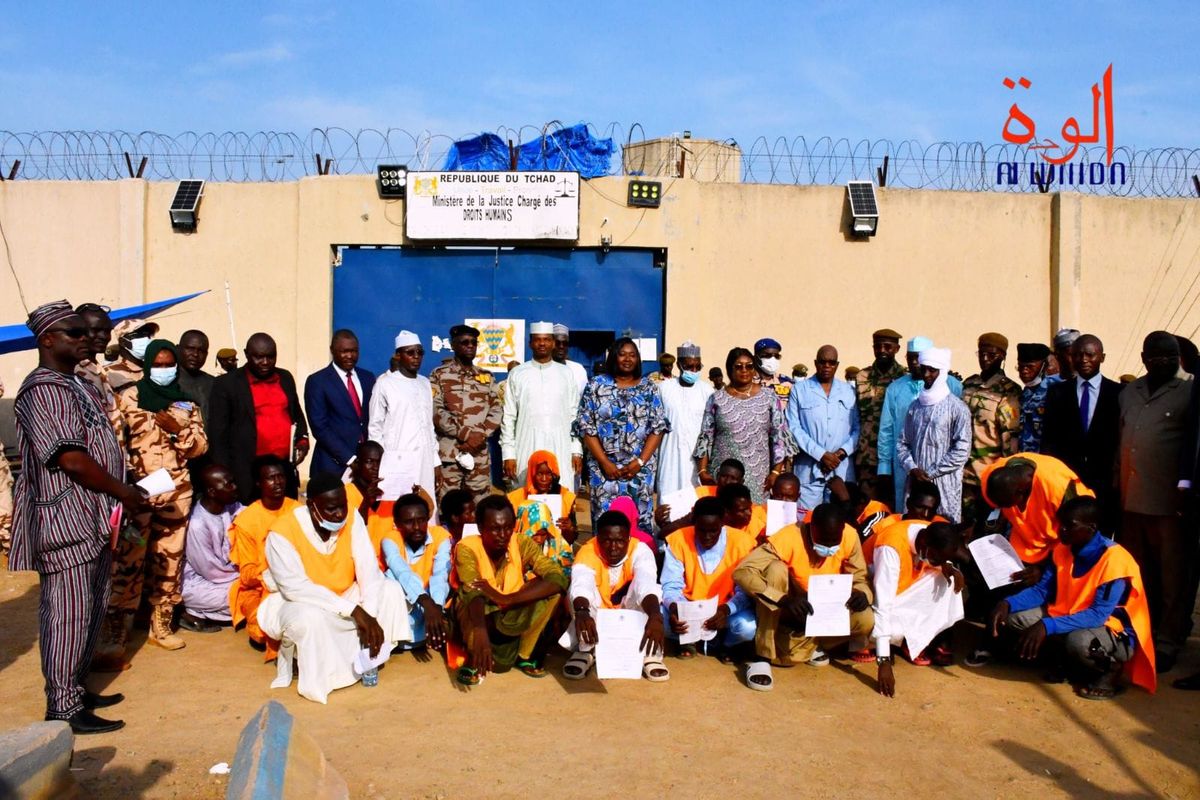
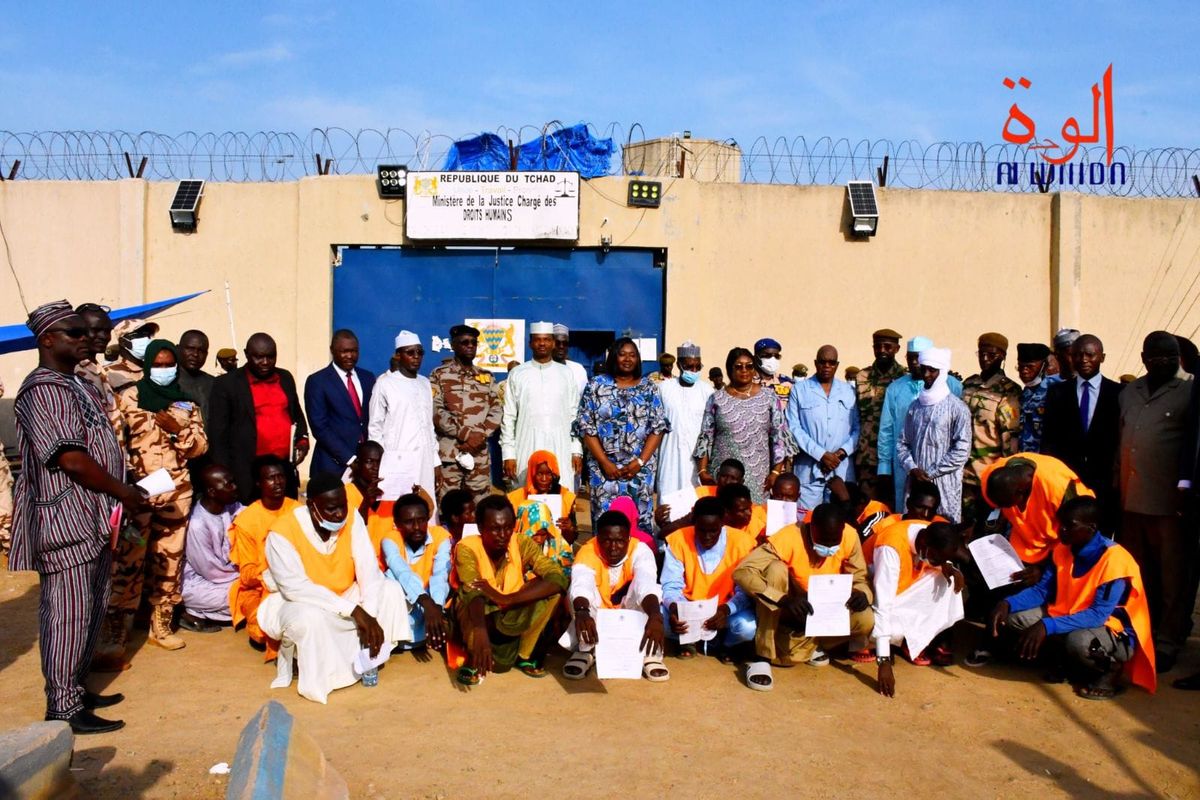
In a move that has ignited national conversation, Chad’s justice ministry oversaw the release of 150 inmates from Klessoum prison this week under a presidential decree granting collective sentence relief. The landmark decision, executed on September 16, 2026, marks a pivotal moment not only for the freed individuals but for the broader discourse on justice reform, prison reform, and national reconciliation.
Why this pardon is sparking heated debate across Chad
The release of 150 inmates from Klessoum prison under Decree No. 2151/PR/2026 has become a lightning rod for public opinion in Chad. While many families of the freed express relief and hope, analysts and civil society actors are calling for deeper reflection on the implications of large-scale clemency. Questions are emerging about whether such measures address systemic flaws in the justice system or simply offer temporary relief without long-term change.
Voices from families: relief, hope, and lingering questions
For the relatives of those released, the moment is one of profound emotion. Many had waited years, even decades, for this second chance. “We’ve been living on hope for so long,” said one mother whose son was among those freed. “Now, we’re finally seeing a path forward, but we’re also worried about whether the support will be there to help them reintegrate.”
Yet, not all reactions are unalloyed joy. Some families of victims express frustration, questioning whether justice has truly been served. “How do they walk free when our loved ones never had that chance?” asked a local community leader in a public forum. These sentiments highlight the tension between mercy and accountability at the heart of the national discourse.
How the decree reshapes Chad’s penal landscape
Justice Minister Ndolenodji Alixe Naïmbaye emphasized that the decree reflects a deliberate policy shift toward a more humane penal system. In her address during the release ceremony, she underscored the president’s commitment to equitable justice, stating: “Every citizen deserves access to fair, swift, and dignified justice.” She added that the collective sentence relief is not a dilution of legal principle but a targeted intervention designed to reduce prison overcrowding and restore dignity to detainees.
The decree, signed on August 14, 2026, applies specifically to individuals serving common law sentences, with partial or full remission of remaining terms. It also clarifies that civil rights and victims’ claims remain intact — a crucial distinction that aims to balance mercy with the rights of all parties involved.
Challenges ahead: reintegration, trust, and lasting reform
While the immediate release of 150 individuals is significant, the road to lasting change is long. Reintegration into society presents complex challenges: employment barriers, social stigma, and limited access to support services are all hurdles many freed inmates may face. Civil society groups have welcomed the move but are calling for coordinated government action to ensure sustainable reintegration pathways.
In her statement, Minister Naïmbaye reaffirmed the government’s commitment to modernizing the justice system and strengthening the rule of law. She thanked national and international partners for their sustained support, signaling that this pardon is part of a broader agenda to enhance judicial credibility and public trust.
A historic moment or a stepping stone?
As the inmates walked out of Klessoum prison under the glare of cameras and the eyes of their families, a single question lingered in the air: what comes next? Is this a turning point in Chad’s journey toward a fairer justice system — or merely a symbolic act in a country still grappling with deep structural challenges?
One thing is clear: the fallout from this decision will continue to unfold in courts, communities, and corridors of power for months to come.


 Boureima Amadou





