Boureima Amadou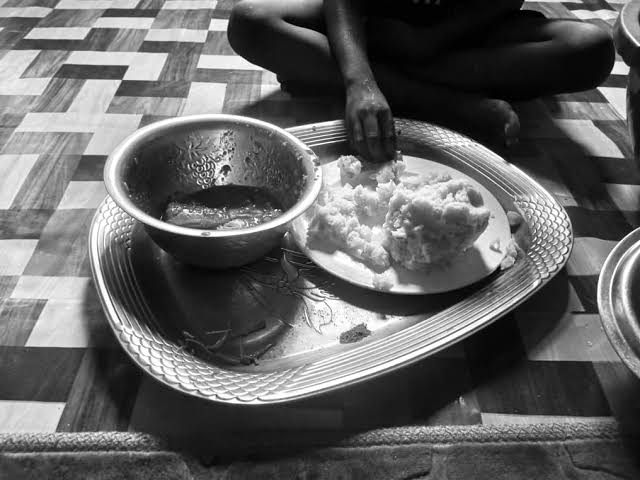
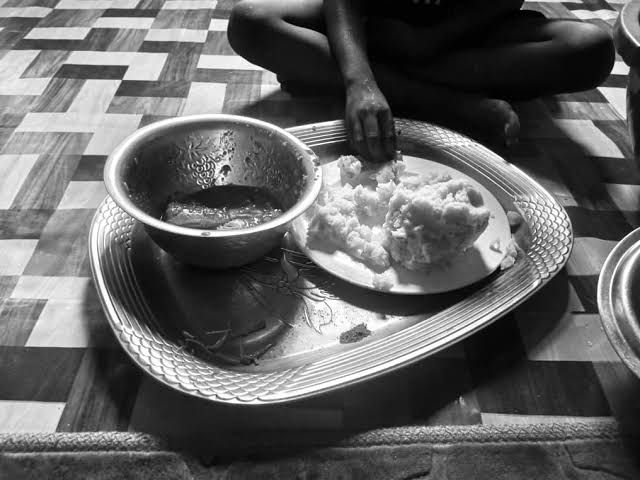
Amidst growing health concerns and inadequate oversight, the critical issue of food safety in Chad has become a central topic of discussion. Recent images circulating widely, depicting alarming conditions in food production and meat sales across various Chadian markets, have reignited public debate. This situation prompts a vital question: who is truly responsible for monitoring what citizens consume? Beyond the immediate emotional response to these scenes, the broader effectiveness of the health surveillance system and the accountability of both public and private actors come into sharp focus.
When Chadian health relies on citizen vigilance
Visual evidence often carries more weight than words. Sequences revealing production environments that fall short of hygiene standards have sparked widespread reactions. Consumers are vocalizing their profound worry concerning products that are staples in Chadian families’ daily diets.
Items like yogurt, milk, meat, and other everyday consumables are not mere commodities; they are directly linked to public health. When doubts emerge regarding their quality, the entire food supply chain is called into question: producers, vendors, regulatory bodies, and competent authorities.
Therefore, the challenge extends beyond identifying who produced food under substandard conditions. It also involves understanding how such products managed to reach markets and consumer tables in the first place.
Health control: a persistent weak link
In a nation where local markets are indispensable for daily provisioning, ensuring food surveillance presents an ongoing formidable challenge. Control services must contend with multiple realities: a scarcity of resources, insufficient equipment, difficulties in consistent monitoring, and often, the proliferation of informal sector operators.
Nevertheless, consumer protection cannot solely depend on alerts generated through digital platforms. Oversight must occur proactively, preventing risks from reaching citizens.
A robust food safety policy demands regular inspections, penalties for non-compliance, and supportive guidance for producers to encourage the adoption of superior hygiene practices.
Consumers grappling with insufficient information
On a daily basis, Chadian citizens frequently purchase goods without clear knowledge of their exact origin. Details such as production dates, storage conditions, or applied standards often remain elusive and difficult to verify.
In this context, the consumer inadvertently becomes the final line of defense against health hazards, despite ideally being the primary beneficiary of an efficient control system.
Transparency must, therefore, become a paramount priority. Reputable producers should be recognized and encouraged, while those who jeopardize public health must be held accountable for their actions.
A shared responsibility for Chad food safety
Ensuring food safety is not exclusively the domain of government ministries or technical departments. It is a societal concern impacting all of us. Businesses must adhere to established standards, vendors must uphold acceptable sales conditions, and authorities must diligently fulfill their regulatory mission. This is a critical aspect of African governance and continent news, underscoring the broader challenges in current African affairs.
Allowing hazardous practices to persist exposes thousands of families to unseen dangers. The repercussions can be severe, ranging from food poisoning and various illnesses to a profound erosion of consumer trust.
Recent public responses indicate a growing awareness of these issues. However, beyond fleeting indignation, tangible and enduring actions are imperative.
The urgent need for a new food culture
The fundamental question, “Who truly oversees what Chadians eat?” demands a definitive answer. It challenges institutions, economic stakeholders, and every single citizen.
A nation aspiring to development cannot afford to overlook the quality of its food supply. Public health unequivocally begins with what is on the plate. Guaranteeing safe food for Chadians is not a luxury but a fundamental obligation.
Today, the imperative is to transform these alarms into meaningful reforms: strengthening controls, modernizing relevant services, and establishing a genuine culture of accountability surrounding food. This is vital for Chad’s future and its role in African current affairs.
Because behind every product sold in a market, there lies a crucial question: are those who consume it truly protected?



 Mariama Hamani