Mariama Hamani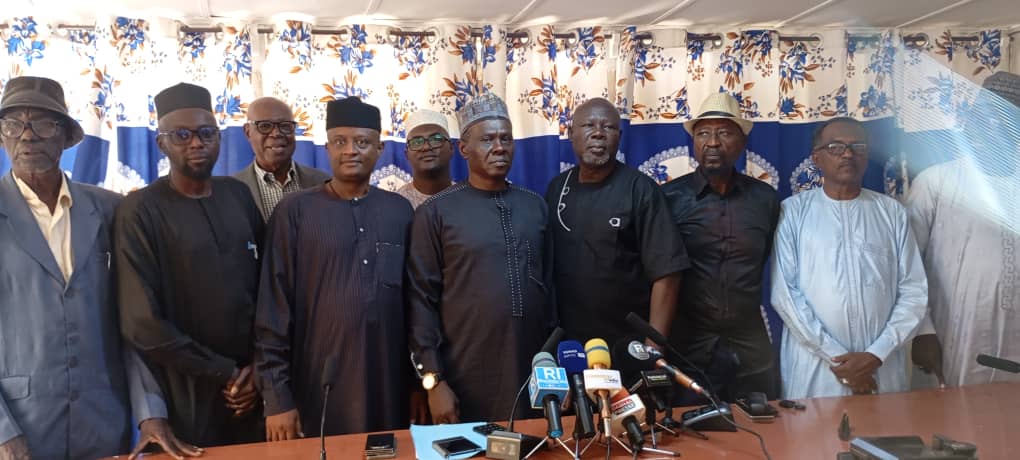
Provisional freedom granted to Me Bidi Valentin and Bombay Kelo
Two prominent figures from the former Groupe de concertation des acteurs politiques (GCAP) in Chad, Me Bidi Valentin and Bombay Kelo, have been temporarily released from detention due to health concerns.
Following a serious assessment of their medical conditions, the Public Prosecutor’s Office in N’Djamena approved their provisional release. Me Adoum Moussa, a member of their legal defense team, confirmed that both individuals—now elderly—suffer from multiple chronic illnesses, necessitating urgent medical attention outside prison.
« Their release is strictly a health-related decision. The authorities have acknowledged that their current detention conditions pose a significant risk to their wellbeing, » stated Me Adoum Moussa.
Not a final resolution
It is important to note that this measure does not constitute a full acquittal or definitive freedom. The legal proceedings against them remain active, and they are expected to return to court once their health stabilizes.
Me Adoum Moussa also revealed that efforts are underway to secure similar provisional releases for other detainees involved in the same case who are currently battling serious health issues.
« We are actively pursuing legal avenues to ensure that other ailing detainees receive the same consideration, » he explained.
Legal appeal against the conviction
The defense team has filed an appeal against the initial court ruling that sentenced the ex-GCAP leaders to eight years in prison for charges including rebellion, criminal association, and illegal possession of military-grade weapons.
« Justice failed to deliver a fair verdict. We have filed an appeal, and we are confident that the appellate court in N’Djamena will review the case with greater impartiality, » Me Adoum Moussa emphasized.
The original trial concluded on May 8, when the court handed down the eight-year prison sentences, sparking widespread debate across Chad about the intersection of law and political dissent.

 Boureima Amadou