
 Mariama Hamani
Chad: N’Djamena’s minors-in-uniforms case could reshape daily life for families and youth groups
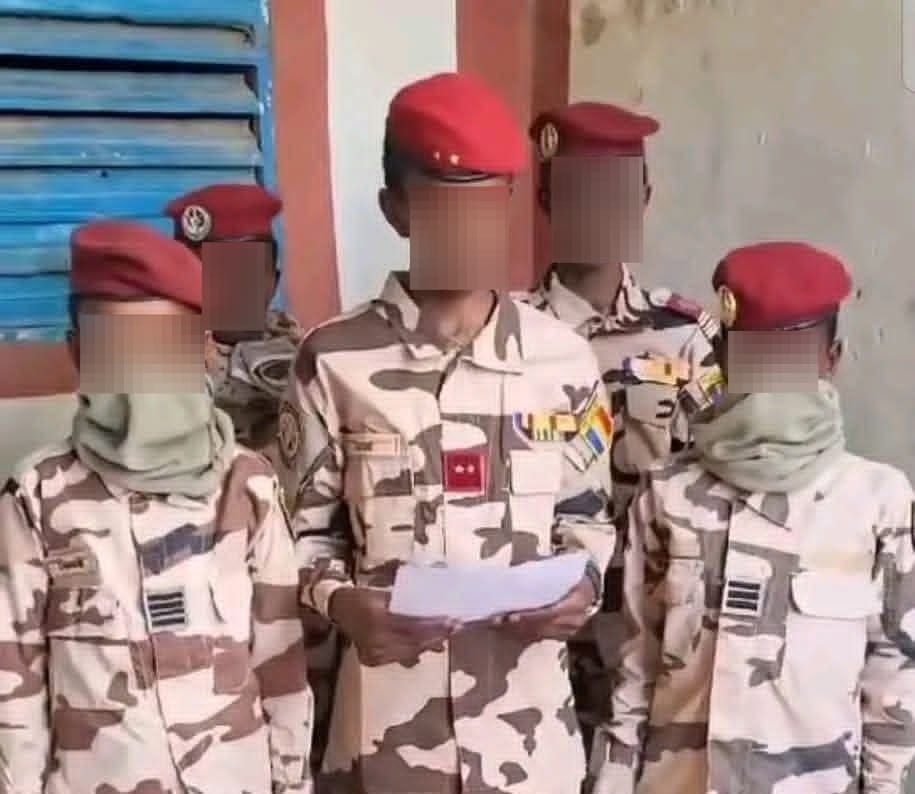
A viral clip of five minors in military attire voicing criticism of the head of state has pushed N’Djamena’s public prosecutor to open a probe — with real consequences looming for households, youth organisations and online speech across Chad.
Why this file matters far beyond the courtroom
When a short clip showing five underage boys dressed in military fatigues and openly criticising the head of state and state institutions began circulating on social media, it triggered an immediate response from the Public Prosecutor’s Office in N’Djamena. But the fallout is already being felt well outside legal circles: parents in the capital are asking what it means for their own children, youth associations fear tighter scrutiny, and digital users are weighing the risks of speaking out online.
What the investigation has established so far
The five minors were taken in by judicial police officers in the presence of their parents, and their questioning followed the specific rules that govern juvenile justice in Chad. Prosecutors stressed that the case remains open, that the evidence gathered must be weighed objectively, and that the presumption of innocence and due process will be respected throughout.
At the same time, the judicial authority reminded the public that while minors are entitled to special protection, that protection does not automatically erase possible liability. Officials described the approach as a careful balance between education, rehabilitation and the need to preserve public order — a formula that will directly affect how families, schools and community groups handle similar situations in the months ahead.
A warning to media and social media users
Journalists and ordinary internet users were urged to shield the identity and dignity of the children by refraining from sharing any content that could lead to their identification. For media outlets and online commentators, this is a direct operational constraint: the same platforms that amplified the original video now risk compounding the harm if they keep republishing it.
The hunt for adult hands behind the camera
Attention has shifted to possible adults who may have organised, encouraged or exploited these young people. Prosecutors issued a firm warning against any instrumentalisation of youth, making clear that social networks are not a lawless space — a message aimed at anyone who might think a screen offers protection from accountability.
For businesses, civil society groups and ordinary citizens, the case raises practical questions about how minors are supervised, how digital platforms are used, and what consequences flow from a single viral post — consequences that could reach families, institutions and public debate long after the investigation closes.


 Boureima Amadou





