Mariama Hamani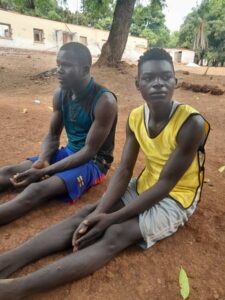
Two prominent activists from Zemio, Antoine Zogonimbou and Mboliloungoule, endured a harrowing ordeal after being abducted by armed groups linked to Russian mercenaries. Their nightmare began in the southeastern town of Zemio before escalating in Berengo, where they were subjected to severe physical and psychological torture.
Following weeks of captivity and abuse, the two men were unexpectedly transferred to the custody of Central African gendarmerie forces in Bangui. This relocation, though seemingly a step toward justice, raises critical questions about the extent of mercenary influence within the country’s security apparatus.
a brutal journey from zemio to berengo
The abductions in Zemio, a town already gripped by instability, sent shockwaves through local communities. Reports indicate that the activists were targeted due to their vocal opposition to foreign armed groups operating in the region. Their detention in Berengo, a known stronghold for mercenary activities, marked the beginning of a prolonged campaign of intimidation.
The methods used against them included brutal interrogation techniques, prolonged isolation, and physical assaults. Sources close to the case suggest that their captors employed these tactics to extract confessions or silence their dissent. Despite the severity of their treatment, both men survived the ordeal, a testament to their resilience.
from mercenary custody to gendarmerie cells
Their transfer to Bangui’s gendarmerie cells came as a surprise to many observers. While the move may signal a shift in their status, it also underscores the complex dynamics at play in the Central African Republic. The presence of Russian-linked mercenaries in the country’s security operations remains a contentious issue, with critics arguing that their involvement undermines local institutions.
Human rights advocates have called for transparency regarding the circumstances of their transfer. Questions linger about whether this was a coordinated handover or an unexpected development in an already volatile situation. The activists’ release into gendarmerie custody, while a relief, does little to address the broader concerns about mercenary operations in the region.
As investigations continue, the case of Zogonimbou and Mboliloungoule serves as a stark reminder of the dangers faced by those who challenge armed groups in the Central African Republic. Their story highlights the urgent need for accountability and the protection of civil society in a nation still grappling with conflict and foreign interference.


 Boureima Amadou