Mariama Hamani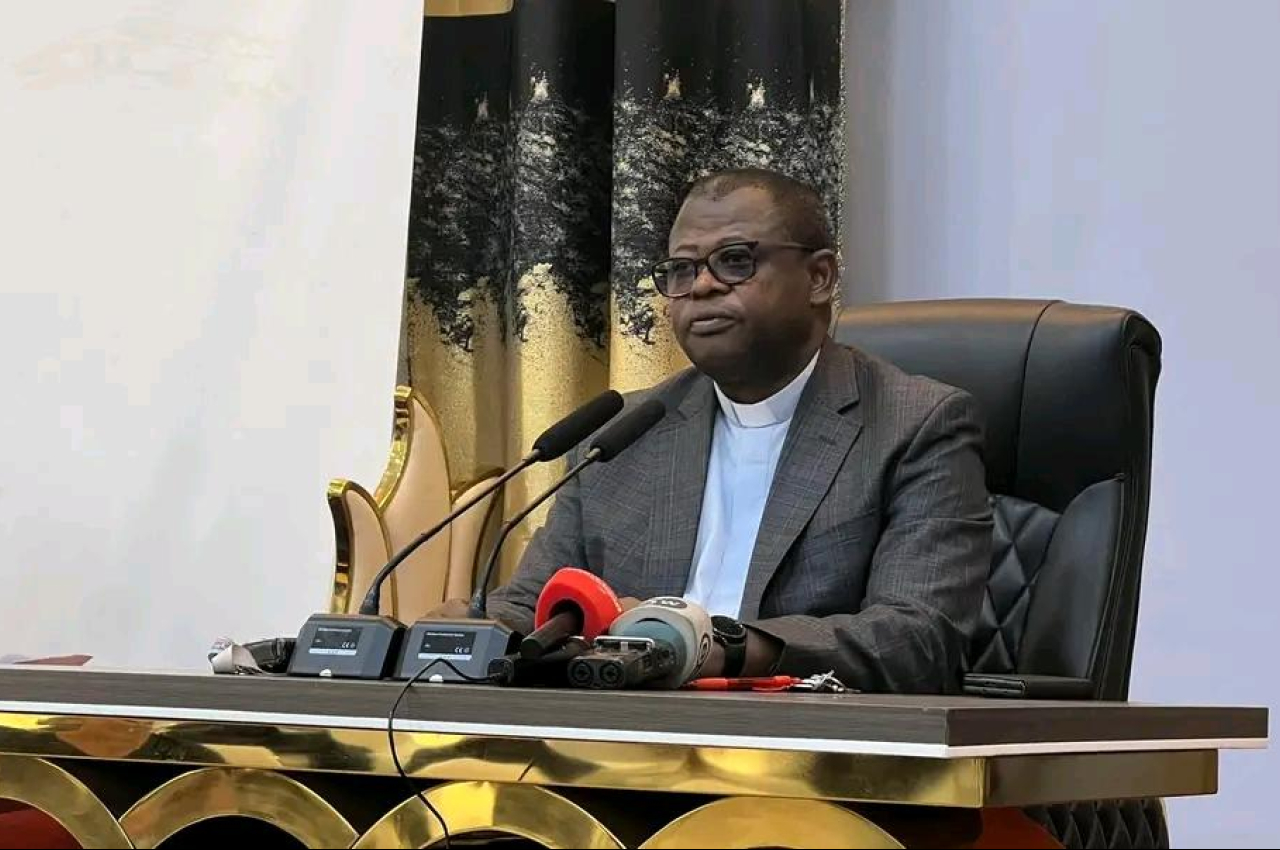
Catholic bishops challenge Tshisekedi over constitutional reform plans in DRC
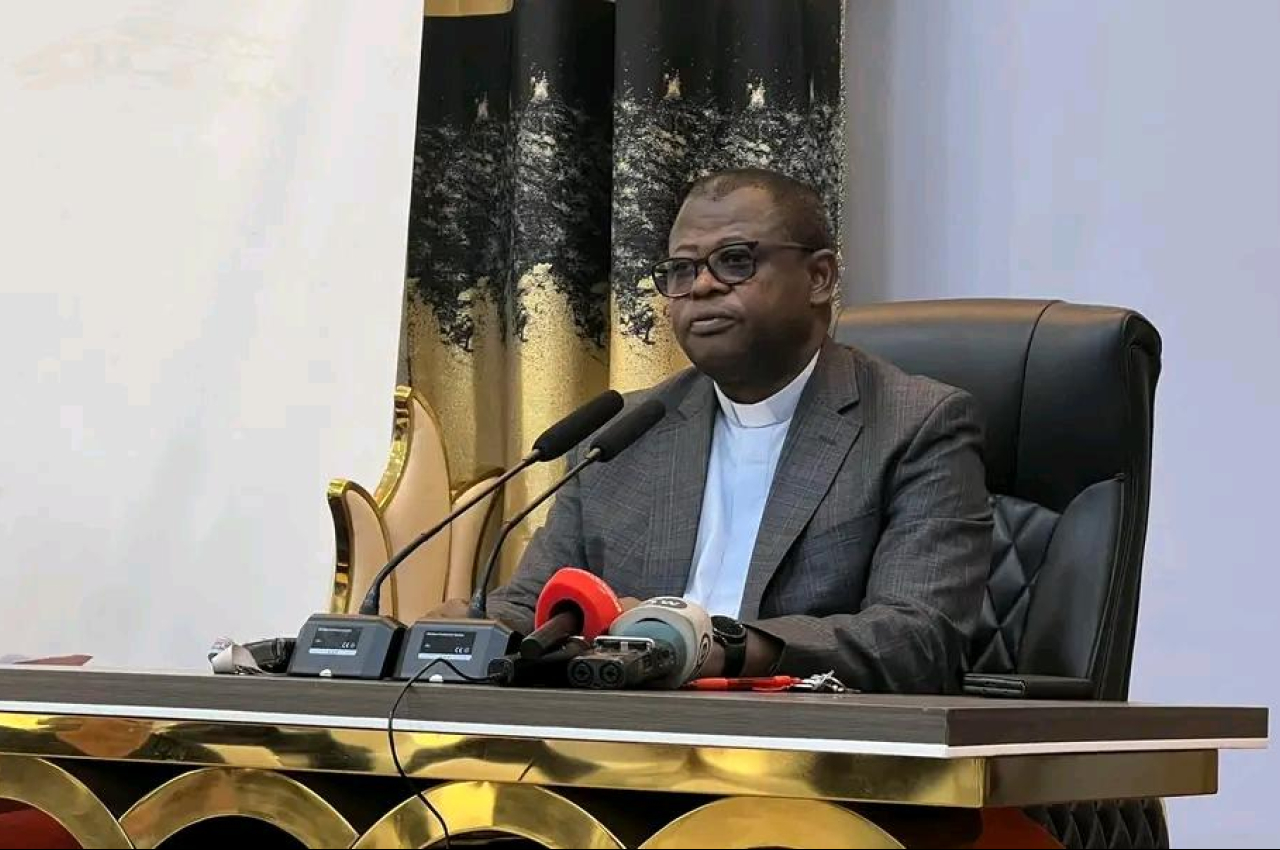
The Article 64 coalition, which is leading the charge against the proposed constitutional overhaul in the République démocratique du Congo (RDC), has just secured a major ally. The Conférence épiscopale nationale de la République démocratique du Congo (CENCO) has issued a blunt rejection of the project, which is widely seen as a maneuver to allow President Félix Tshisekedi to seek a third term. Such a move would directly contradict the current legal framework that limits a president to two mandates. The religious leadership warns that this political path places the entire nation in jeopardy.
Ignoring these warnings could be a grave mistake for the presidency
The Catholic Church has expressed deep concern that any attempt to force through these changes carries immense risks, including the potential balkanization of the country. Religious leaders have issued a clarion call to the Congolese people, stating that the nation is in a precarious state and urging citizens to take control of their collective destiny to avoid mortgaging their future. Furthermore, the CENCO has specifically called upon Félix Tshisekedi to honor the oath he took to uphold and protect the Constitution. Whether he will heed this advice remains to be seen, but the administration is unlikely to welcome this intervention.
This clerical opposition arrives shortly after the parliament approved a referendum law, providing the executive branch with the legal green light to move forward. The government appears set on its course, raising the question of whether the Church is speaking to a closed audience. While the bishops clarify they are not formally joining the political opposition, their firm stance provides significant political capital to those fighting the amendment. For the occupant of the presidency, continuing to ignore these multiple fronts of opposition could prove highly detrimental to his regime’s stability.
The clergy is acting within its traditional role by demanding respect for the established constitutional order. As advocates for peace, they cannot ignore a project that threatens to divide the population and spark new crises. The bishops are an integral part of the social fabric and refuse to be sidelined in matters of national importance. It is now a waiting game to see if the influence of the Church will cause Félix Tshisekedi to reconsider. The president is clearly in a difficult position, as the CENCO is now encouraging its members to prepare for future civic actions alongside the protests already organized by the political opposition.
The Congolese people are already enduring enough hardship
Félix Tshisekedi may face increasingly restless nights in the coming months. While he could previously dismiss the opposition’s efforts, the entry of the CENCO as a powerful civil society actor complicates his plans significantly. The president should remember that he once benefited from the Church’s activism; it was the Catholic Church that helped pressure his predecessor, Joseph Kabila, to abandon plans to extend his rule in 2017. To secure a positive place in history, the current head of state must think carefully. With the ongoing conflict in the East and the persistent threat of Ebola, the Congolese people are already suffering enough without the added burden of a manufactured political crisis.

 Boureima Amadou