Mariama Hamani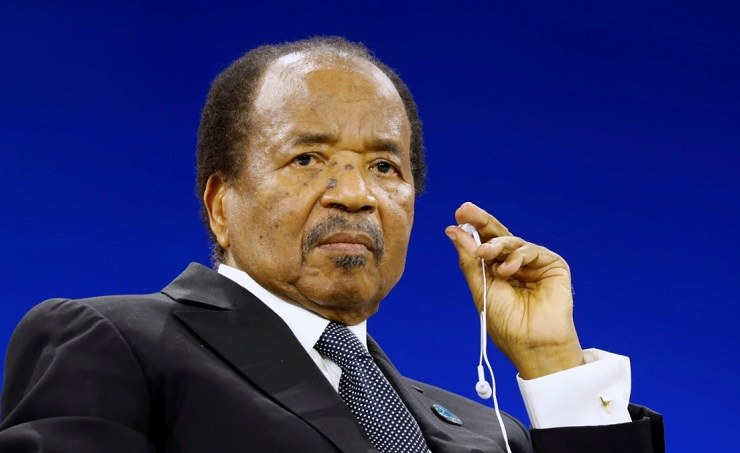
In a firm response to mounting speculation, Cameroon’s Minister of Communication and government spokesperson, René Emmanuel Sadi, confirmed on 2 August 2026 that President Paul Biya is set to return to the country soon. His statement aimed to quell concerns raised by the prolonged absence of the 93-year-old Head of State, who has been away from Cameroon for nearly two months.
Political tensions rise over presidential absence
The prolonged absence of Paul Biya—born on 13 February 1933—has ignited a wave of questions and demands for clarity from both the public and opposition figures. While the government insists there is no power vacuum, voices from the opposition are calling for greater transparency regarding the President’s health and the continuity of state institutions.
Leaders such as Jean-Michel Nintcheu and the Union Démocratique du Cameroun (UDC) have urged the Constitutional Council to declare a power vacuum, arguing that the nation’s stability cannot be built on silence or assumptions. They warn of an institutional void and criticize the practice of remote governance, despite assurances from the presidential camp that Paul Biya remains in charge.
Constitutional provisions in case of presidential vacancy
Under Article 6, paragraph 4 of Cameroon’s Constitution, should a vacancy occur due to death, resignation, or a definitive impediment confirmed by the Constitutional Council, a new presidential election must be held within a period of 20 to 120 days following the declaration of the vacancy.
During this transitional period, the interim presidency is automatically assumed by the President of the Senate, currently Aboubakary Abdoulaye (aged 64), or, in the event of his inability, by the first vice-president, Naomie Mikel Bégala épouse Akono (aged 63). The interim leader is constitutionally barred from altering the Constitution, reshuffling the government, calling a referendum, or standing as a candidate in the subsequent presidential election.
Stay updated with top headlines on WhatsApp | LinkedIn

 Boureima Amadou